
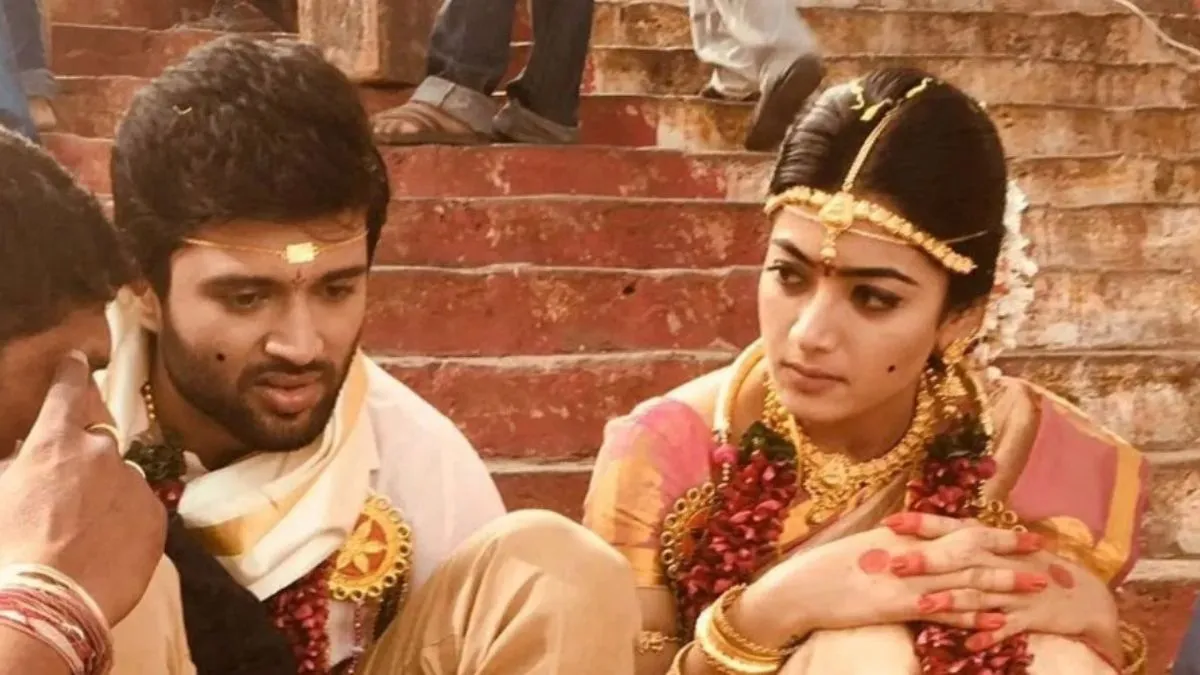
Celebrity weddings often pull focus for the obvious reasons. Fashion. Guest lists. Location reveals. But sometimes, the most interesting layer is cultural. Not just who is getting married, but how they choose to do it.
With Rashmika Mandanna and Vijay Deverakonda reportedly planning two ceremonies to honour their respective roots, curiosity naturally shifts to the traditions themselves. A morning Telugu wedding and a sunset Kodava ceremony are not aesthetic choices alone. They are structured, community-anchored rituals shaped by long-standing regional customs. Here’s a closer look at what each of these wedding traditions involves.
What is a traditional Telugu wedding?
A traditional Telugu wedding, rooted in Andhra Pradesh and Telangana customs, follows Vedic ritual structure and is typically officiated by priests who recite Sanskrit mantras. The ceremony is often held during an astrologically determined muhurat, commonly in the morning hours.
The mandap is decorated with mango leaves, coconuts and flowers, all considered auspicious in Telugu culture. Family participation is central, with elders guiding and blessing the couple through each stage. Some key rituals commonly observed include:
Jeelakarra Bellam
The bride and groom place a paste of cumin and jaggery on each other’s heads. The symbolism is deliberate. Sweet and bitter elements blending, much like marriage itself.
Mangalsutra Dharana
The groom ties the mangalsutra around the bride’s neck, traditionally in three knots. This act signifies marital commitment and social recognition of the union.
Talambralu
The couple showers each other with rice mixed with turmeric. The ritual is playful but symbolic, representing prosperity, fertility and shared abundance.
Saptapadi
Seven steps taken together before the sacred fire. Each step corresponds to a vow, covering nourishment, strength, harmony, family welfare and companionship. The sacred fire, or agni, is central to Telugu weddings, reflecting Vedic foundations and the idea of divine witness.
What is a Kodava sunset wedding?
Kodava weddings, native to the Coorg region of Karnataka, differ structurally and symbolically from mainstream Vedic ceremonies. Anthropological documentation of Kodava customs notes that these weddings are community-led rather than priest-centric. A sunset ceremony aligns with Kodava cultural rhythm rather than astrological timing. Dusk is often preferred for its ceremonial atmosphere and traditional continuity.
Kodava bridal attire is distinct. The sari is draped in the Coorgi style, with pleats at the back and the pallu pinned over the shoulder. Gold jewellery and a decorative head covering complete the look. Some defining elements of Kodava weddings include:
Absence of the sacred fire ritual
Unlike Vedic weddings, Kodava ceremonies do not revolve around an agni kund. The solemnisation is witnessed by family and community elders instead.
Exchange of garlands
The couple garlands one another, symbolising mutual acceptance.
Role of the Okka
Clan units, known as okkas, play a central role. Elders bless the couple, reinforcing lineage continuity.
Symbolism of ancestral heritage
In some Kodava households, traditional weapons may be displayed, reflecting the community’s martial history and ancestral pride. The tone tends to be less chant-driven and more community-anchored. Structured, but in a different way.
Two ceremonies, two cultural inheritances
Holding both a Telugu and Kodava wedding is less about spectacle and more about preservation. One ceremony rooted in Vedic scripture and astrological timing. The other shaped by regional clan traditions and community witnessing.
Placed side by side, they represent two cultural frameworks coexisting without dilution. Not merged into one hybrid ritual. But honoured in full, on their own terms. And that, perhaps, is what makes dual ceremonies meaningful beyond the headline.
