
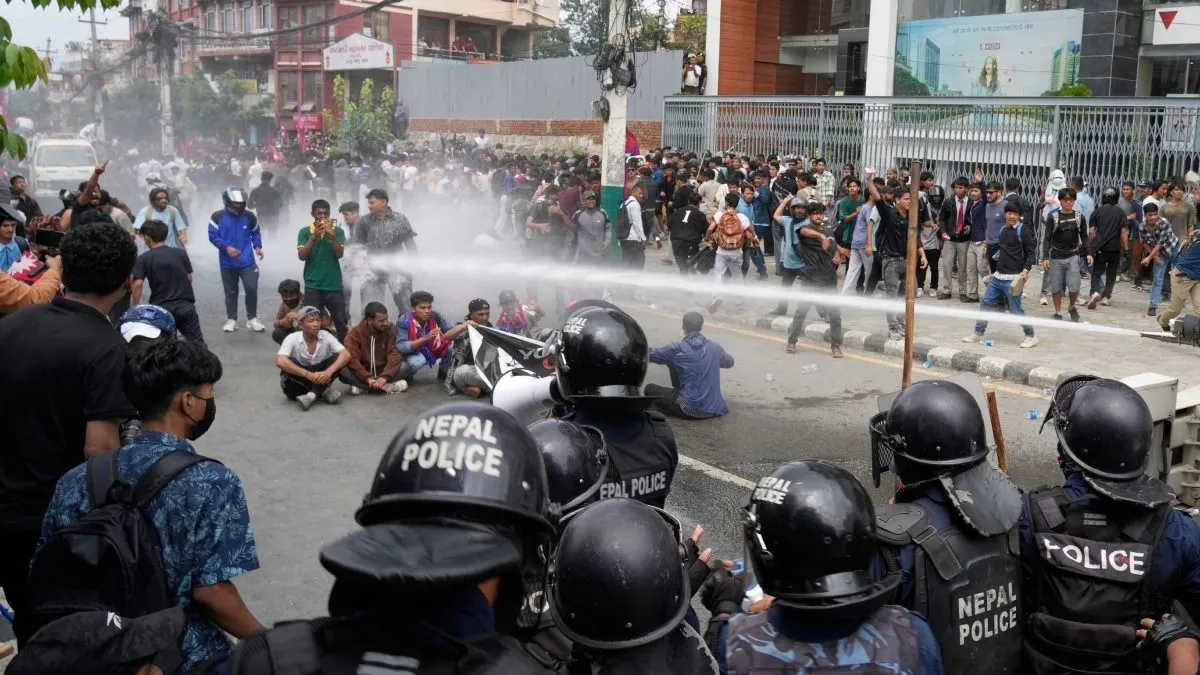
The Nepalese government may not have predicted the considerable emotional and cultural backlash that its recent restrictions on 26 social media platforms would invoke, particularly among its Gen Z users. For many of these young Nepalese, this was not just an imposition on their use of a popular app; it was personal; it was an attack on their voice and space and sense of self.
Over the past few weeks, protests led largely by Nepal’s tech-savvy youth have erupted both online and on the streets. In Kathmandu and beyond, students, creators, and digital activists are standing together, not just in opposition to a social media ban but in defence of something much more profound: their identity in a rapidly shifting society.
The digital public square
For Gen Z, social media isn’t just entertainment. It’s a public square. It's a place where dialects mix, traditional music resurfaces with a modern twist, and young voices, often ignored in mainstream media, find visibility. From political satire to street fashion, from local comedy to social justice commentary, social media has become a mirror of contemporary youth culture.
Why social media is more than just an app for Nepal’s youth
Gen Z grew up during a time of tremendous change, federal restructuring, a shifting monarchy, economic uncertainty, and growing global exposure. They have seen protests, political gridlocks, and a constant tug-of-war between old systems and new ideas. Social media became a space where they could express their frustration, hope, humour, and dreams without being filtered.
The ban, many argue, isn't just about one app. It's symbolic of a wider disconnect between Nepal's political establishment and its youngest generation. While policymakers may see social platforms as chaotic or trivial, young users see them as essential, almost therapeutic.
Clash of generations: Nepal’s leaders vs Gen Z identity
This emerging crisis is not only an illustration of the shortcomings of digital policy; it is illustrative, at a deeper level, of generational differences. The elders of Nepal perceive the younger generations as screen-absorbed and negligent of the traditions of the past, while Gen Z view the elder leadership of Nepal as rigid, disconnected from reality, and missing the chance to adapt.
A fork in the road
Whether or not the social media ban holds, the bigger conversation is only just beginning. Nepal’s digital natives are more politically aware and globally connected than ever before. They’re not afraid to speak up, organise, and challenge the system, even if that means going head-to-head with the institutions that once shaped their future in silence.
ALSO READ: Nepal: Fresh protests erupt in Kathmandu as demonstrators demand PM Oli's dismissal
