
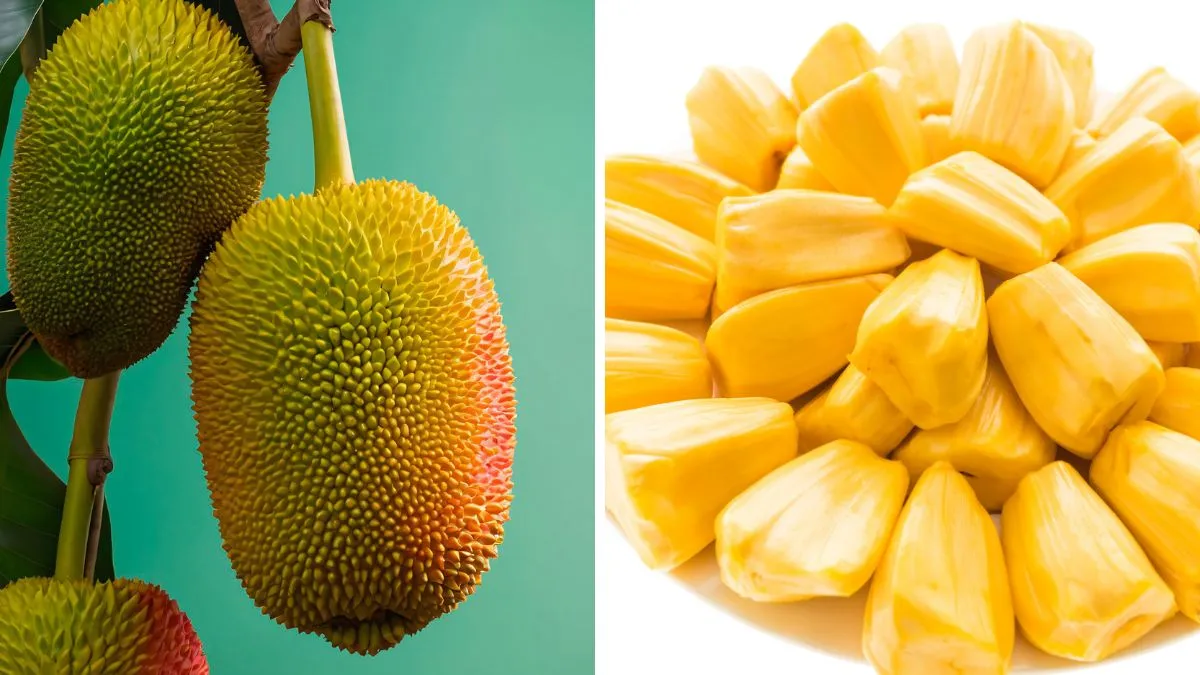
Kathal or jackfruit season is here, and while the vegetable is loved for its rich, meat-like texture, most people hesitate before buying it. The reason is simple, cutting it feels messy, sticky, and slightly intimidating.
But as celebrity chef Kunal Kapur points out, it’s only tricky until you know the right method. “It can seem tricky at first, but once you get the hang of it, it’s actually quite simple and satisfying,” he shared while demonstrating the process.
Why kathal feels so difficult to cut
Raw jackfruit releases a sticky white sap when cut, almost like glue. This is what makes the process messy and discourages many from cooking it at home. The secret, however, is in proper preparation. If you know how to handle the sap, everything else becomes quite easy.
First step: What do you require before slicing?
Before you start slicing, some basic preparations may help a lot:
- Use a long and sharp knife: Oil the blade and one hand but not both (this will make the fruit slippery)
- Make a bowl of cold water with some salt and turmeric
- Keep newspaper or a plate handy for collecting the sap.
- These preparations minimise stickiness and prevent the fruit from becoming brown.
How to slice kathal easily
- Cut off both ends: Put the fruit on a wooden chopping board and carefully cut off its top part where the stem is attached. The sap should flow and be collected separately.
- Remove any extra sap: Let it wait for a few moments and then use the fruit piece to remove any extra sap that is sticky in nature.
- Slice from both sides:Turn the fruit and repeat the process for its other side.
- Cut it in half: Stand the fruit upright and slice it lengthwise from top to bottom. Let the sap settle again before proceeding.
- Make wedges: Cut each half into long wedges. At this stage, the stickiness reduces significantly.
- Peel the skin: Carefully remove the thick outer skin without cutting away too much flesh.
- Chop into pieces: Slice into smaller chunks and immediately transfer them into the turmeric-salt water.
- Soak before cooking: Let the pieces sit for 15–20 minutes, then pat dry. They’re now ready to cook or store.
The one mistake most people make
Many people remove the central core completely, but that’s not recommended. The fibrous centre helps hold the pieces together while cooking. Cutting it off entirely can cause the kathal to break apart in the pan.
Why this method works
The combination of oil, patience, and soaking does three things:
- Controls the sticky latex
- Keeps the colour intact
- Makes cutting safer and cleaner
Once you follow the process once or twice, kathal stops feeling intimidating and starts feeling like just another vegetable.
Kathal might look like a challenge sitting on your kitchen counter, but it doesn’t have to be. With the right prep and a little patience, it becomes surprisingly easy to handle. And as Chef Kunal Kapur suggests, sometimes all it takes is knowing the method to turn a “difficult ingredient” into a regular part of your cooking routine.
Also read: Chia seeds in water vs curd: Which is better for your health
