
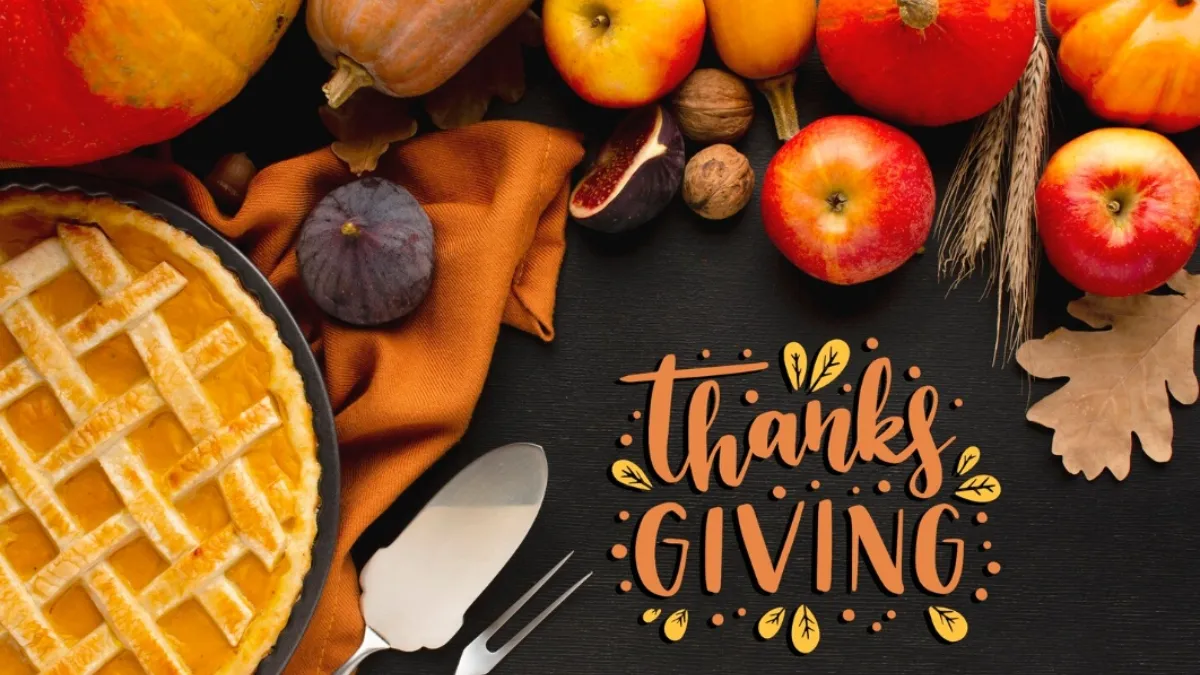
As we approach late November, hearts and homes in the United States begin to warm in anticipation of one of the most beloved holidays: Thanksgiving. In 2025, Thanksgiving falls on Thursday, November 27.
Here’s a more human-centred look at what makes this day so special: its roots, how it is celebrated now, and why it matters beyond turkey and pie.
What is the history behind Thanksgiving?
The origins of Thanksgiving are traced back to a 1621 harvest celebration in Plymouth, Massachusetts, when the Pilgrims and the Wampanoag people shared a meal in gratitude.
Over time, various states held their own “days of thanks.” In 1789, George Washington declared a national Thanksgiving Day after a request by Congress.
It was Abraham Lincoln who, in 1863, proclaimed Thanksgiving an official national holiday during the Civil War — a moment meant to bring unity and reflection. Later still, in 1941, the U.S. Congress fixed Thanksgiving as the fourth Thursday in November.
Why does Thanksgiving fall on November 27 in 2025?
By tradition, Thanksgiving is celebrated on the fourth Thursday of November every year. In 2025, that date falls on November 27.
So while the timing shifts year to year (the fourth Thursday means it can land anywhere between Nov 22 and Nov 28), the rhythm remains the same: a time for pause, reflection, and togetherness.
What does Thanksgiving mean in modern American life?
- The focus of the first Thanksgiving was on the celebration of plentiful harvests in the fall as well as on the survival of that First Thanksgiving Day. The activities associated with this holiday today emphasise family and friends being together rather than simply eating a big meal.
- Celebration of Food and Tradition: Many of the foods associated with Thanksgiving, such as turkey, stuffing, cranberry sauce, pumpkin pie, etc., were historically considered to have become "iconic," but the real emphasis is on being grateful for the things we do have.
- Giving Thanks: The overall message on Thanksgiving Day is to give thanks for our community, for our ability to survive and overcome difficulties, and for all the simple pleasures we have in life.
- Parades and Sporting Events: In many areas of the United States, there are large parades and professional sports (mostly football) that have become a part of the Thanksgiving Day tradition.
- Kick-off to the Holiday Season: In addition to marking the end of the harvest season, Thanksgiving has come to signify the beginning of the winter holiday season, with Black Friday generally beginning the day after Thanksgiving.
Why Thanksgiving still matters in 2025
In a world that often feels fast-paced and fragmented, Thanksgiving offers something simple yet profound: time. Time to sit around the table, connect, share stories, and express thanks. It reminds us that the richest blessings are often the ones we see in everyday life — a roof, a warm meal, a friend or family member nearby.
It also speaks to continuity — we’re participating in a tradition that stretches back centuries, adapted and reinterpreted by each generation. Whether you’re in the U.S. or observing from afar, the idea of “giving thanks” remains universal.
