
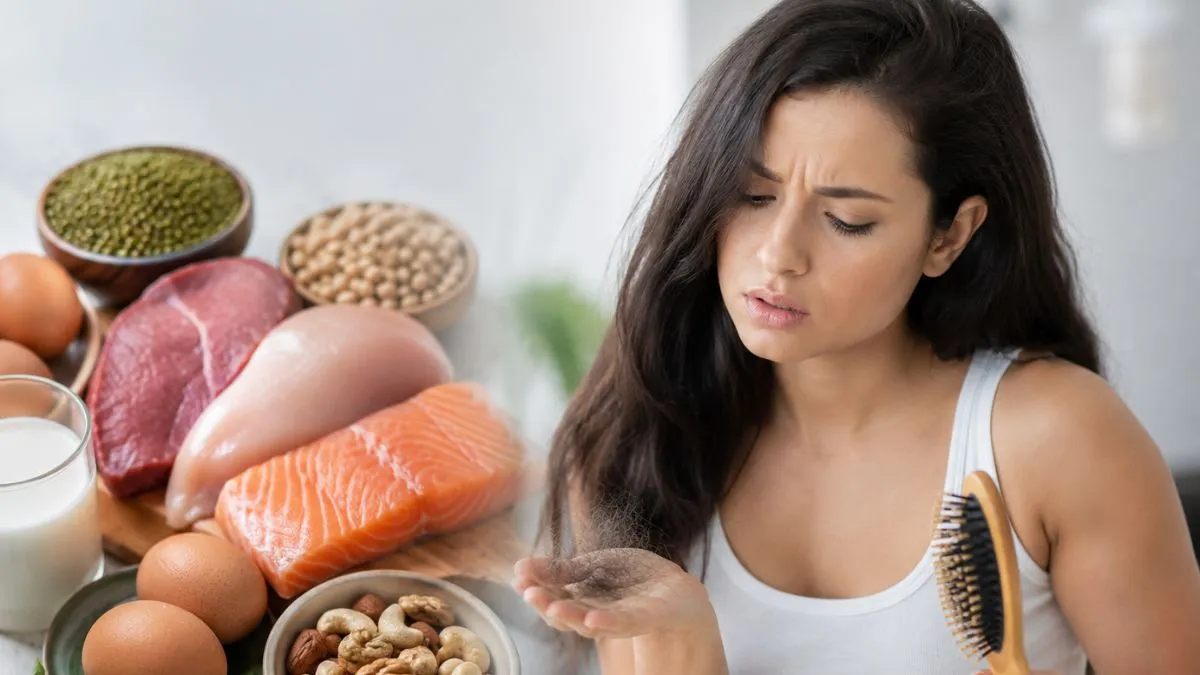
Hair fall has become one of the most common concerns seen in dermatology clinics today. While stress, hormonal imbalances, pollution and genetics are often blamed, experts say another factor is quietly contributing to the problem: protein deficiency.
Despite India being a major producer of protein-rich foods, many people fail to consume enough protein due to various reasons, including dietary restrictions and lack of awareness. Hair follicles depend on protein because hair is made up of keratin, which is a type of protein. According to experts, before spending money on another bottle of shampoo or hair serum, it may be better to first take a look at what you eat.
Why protein is crucial for hair growth
Hair contains a large amount of keratin, which is a protein. If there is not enough protein in the diet, the body prioritises other essential functions over hair growth, disrupting the hair growth cycle.
"Hair is a non-essential tissue from the body's survival perspective. When protein intake is inadequate, the body conserves available protein for critical functions such as maintaining muscles, hormones and vital organs. Hair follicles are among the first to experience the impact," explains Dr Nivedita Dadu, Founder and Chief Dermatologist at Dadu Medical Centre, Rajouri Garden and Vasant Vihar, New Delhi.
She adds, "Many patients are surprised to learn that persistent hair shedding is sometimes less about the products they use and more about what is missing from their plate."
Early signs that protein deficiency may be affecting your hair
Protein deficiency does not always show up dramatically. Instead, the changes may appear gradually and are often mistaken for normal hair fall.
Some early warning signs include:
- Hair losing its natural shine
- Hair becoming finer over time
- Increased hair breakage
- Excessive shedding while washing or combing
- Brittle nails
- Dull-looking skin
If these symptoms persist, experts recommend evaluating your diet along with consulting a healthcare professional.
How modern eating habits are making hair fall worse
According to Dr Nandini Dadu, Aesthetic Physician, Trichologist and GLP Coach at Dadu Medical Centre, changing food habits are contributing significantly to the rise in hair fall among younger adults.
"We are seeing an increasing number of young adults who skip meals, rely on processed snacks or consume diets that are calorie-rich but protein-poor. Even people who believe they eat healthy may not be meeting their daily protein requirements. Hair follicles require a continuous supply of amino acids to produce healthy strands, and inadequate intake over time can trigger diffuse hair loss," she says.
She also cautions against relying solely on supplements.
"Hair supplements have their place, but they cannot compensate for an imbalanced diet. A balanced intake of protein from sources such as pulses, dairy, eggs, fish, lean meat, soy and nuts remains the foundation of healthy hair. Sustainable dietary changes deliver better long-term results than quick fixes," Dr Nandini Dadu adds.
Could your hair fall be a sign of an underlying health condition?
Not every case of hair loss is linked to poor nutrition. Sometimes, excessive hair fall may be the body's way of signalling an underlying medical condition that requires attention.
Dr Bimalpreet Mohan, Director, Chief Radiologist and Women's Health Expert at Capital Health Clinic, Hauz Khas, New Delhi, says persistent hair loss should never be ignored.
"Persistent or unexplained hair loss should not be ignored, particularly when it is accompanied by fatigue, irregular menstrual cycles, unexplained weight changes or other symptoms. Hair thinning may be associated with conditions such as thyroid disorders, iron deficiency, polycystic ovary syndrome (PCOS) or other hormonal imbalances. Appropriate screening and investigations help identify the underlying cause so treatment can be targeted rather than based on guesswork," he explains.
While hair care products can improve the appearance of your hair, experts agree they cannot replace proper nutrition or medical evaluation when required.
"Healthy hair begins with a healthy body. If hair fall continues despite good hair care, don't ignore it."
Also read: Are gym-goers losing more hair? A hair expert explains what's really happening
