
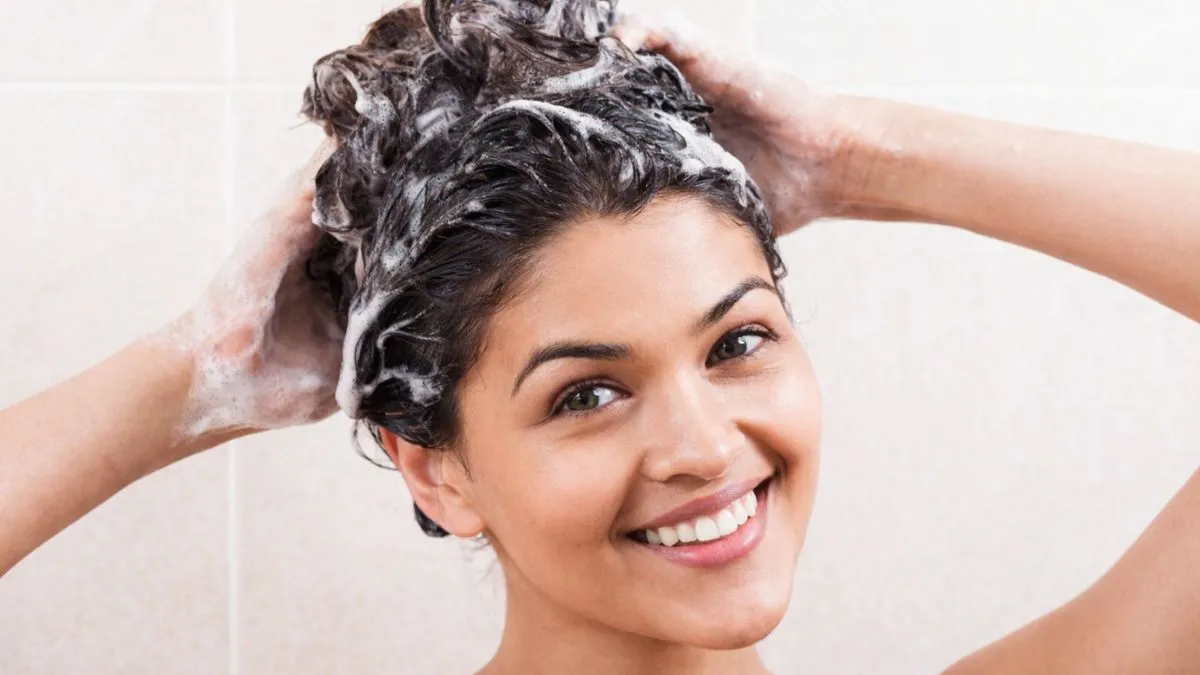
In many Delhi-NCR dermatology clinics, there is one complaint that comes up almost every day. Someone has moved homes and suddenly, their hair fall seems to have increased overnight.
The first instinct is to blame a new shampoo, stress or even diet. But dermatologists are increasingly pointing to a quieter, often overlooked factor, hard water.
“Many times, the scalp is perfectly healthy, but the water is not,” says Dr Akriti Gupta, founder and chief dermatologist at Jivisha Clinic, New Delhi. “When patients say their hair feels rough immediately after washing, we always ask about their water supply.”
What hard water really does to your hair
Hard water contains high levels of minerals like calcium and magnesium. Those chalky white deposits you see on taps, buckets or bathroom tiles are often the first sign. While it sounds harmless, this mineral-heavy water can change the way your hair behaves. It leaves behind a residue that prevents proper cleansing, blocks moisture and makes hair feel dry, rough and difficult to manage.
Does hard water actually cause hair loss?
This is where most people get confused. Hard water does not directly cause permanent hair loss or baldness. It does not damage the hair follicle beneath the skin. What it does cause is breakage.
Mineral buildup coats the hair shaft, making strands brittle and prone to snapping during washing or combing. The result looks like hair fall, even though the hair is breaking from the length. “People often think they are losing hair from the roots, but in many cases, it is just breakage,” explains Dr Gupta. “It looks similar in the drain, which is why it causes panic.”
Why it feels worse than it actually is
According to dermatology guidelines, losing around 50 to 100 strands of hair a day is normal. Sudden shedding can happen due to stress, hormonal changes, illness or weight loss. This temporary condition is known as telogen effluvium.
Hard water does not cause this condition, but it can make the situation appear worse because already fragile hair breaks more easily.
Why urban homes are seeing this more
In cities like Delhi, many households depend on groundwater, which naturally contains higher mineral content. Over time, this affects both the scalp and hair.
New Delhi-based cosmetologist Dr Karuna Malhotra explains, “Hard water does not shut down the follicle, but it can irritate the scalp. Dryness leads to itching, and aggressive rubbing during washing increases breakage.”
Mineral buildup can also disturb the scalp’s natural balance, making hair look dull, lifeless and harder to manage.
“Chemically treated or coloured hair is even more vulnerable because the outer layer is already sensitive,” she adds.
Signs your hair is reacting to hard water
- Hair feels rough or dry after washing
- Increased tangling
- Loss of shine
- More breakage while combing
- Scalp dryness or flakes
“Think of it like washing clothes without rinsing properly,” says Dr Malhotra. “The residue stays behind, and over time, it builds up.”
What you can do about it
The good news is that managing this does not require drastic measures.
- Install a shower filter or water softener
- Use a clarifying shampoo once a week
- Avoid very hot water
- Condition your hair regularly
- Be gentle while washing and drying
“If your hair fall starts after shifting homes, check your water before investing in expensive treatments,” advises Dr Gupta.
Hair fall is often a signal, not the problem itself. When you understand what your hair is responding to, whether it is stress, nutrition or even water quality, the solution becomes clearer. Sometimes, it is not about changing products, but about noticing what has quietly changed around you.
Also read: Heat-proof skincare: How to build a routine that survives Indian summers
