
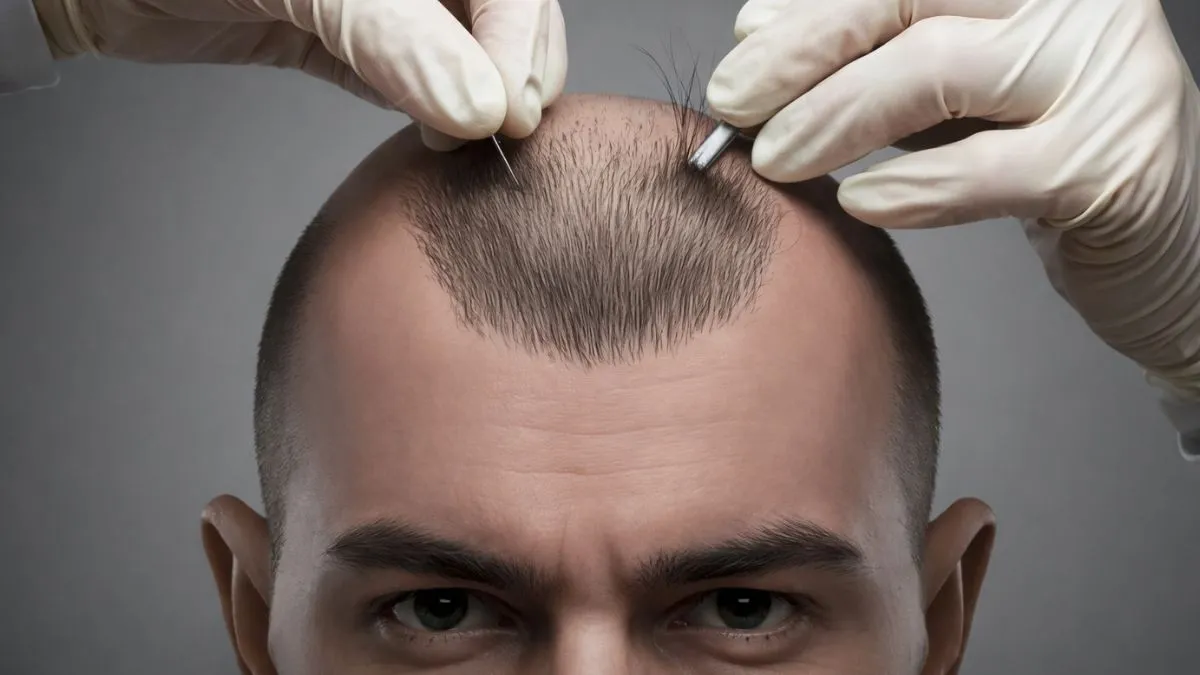
Hair loss is no longer a concern that only middle-aged men need to worry about. Today, more and more men in their early and mid-twenties are seeking medical help for hair loss that their predecessors may have put off for years. For Gen Z and young millennials, hair loss is no longer just about hair; it’s about identity and visibility.
Dr Abhishek Pilani, Founder of Assure Clinic and Hair Transplant and Restoration Specialist, says the shift is both cultural and clinical. “Today’s generation does not wait for hair loss to progress significantly. They are more aware, more informed and more willing to seek solutions early. Hair restoration is increasingly viewed as preventive planning rather than crisis management,” he explains.
The social media effect
One of the biggest drivers is visibility. This generation has grown up with high-resolution cameras and constant online presence. Receding hairlines and thinning crowns feel more noticeable in selfies, video calls and short-form content.
“Digital exposure has amplified self-awareness,” says Dr Pilani. “When appearance is documented daily, even early signs of hair thinning can impact confidence.”
Unlike older generations who may have quietly accepted hair loss, younger individuals are more proactive and research-driven in their decisions.
Advances in hair transplant techniques
Techniques such as FUE, or Follicular Unit Extraction, are minimally invasive and provide natural-looking results with shorter recovery times.
“Modern FUE techniques allow us to extract and implant follicles with precision,” Dr Pilani notes. “When performed appropriately and on the right candidate, results can be subtle and long lasting.”
Transparent marketing, before-and-after case studies and improved clinical standards have also reduced stigma and fear around the procedure.
A shift towards preventive self-care
There is a broader cultural shift at play. Young professionals are investing in grooming, fitness and aesthetic treatments earlier than previous generations. Addressing hair loss feels like an extension of overall self-care.
“Treating hair loss at an early stage often leads to better graft survival and more natural density,” says Dr Pilani. “It also allows for long-term planning, especially when combined with medical therapy to stabilise ongoing hair fall.”
The importance of medical evaluation
While interest is rising, experts caution against rushing into surgery without proper assessment. Hair loss patterns can continue to evolve before 30, making professional guidance essential.
“Not every young individual with hair thinning is an ideal transplant candidate,” Dr Pilani emphasises. “Stabilising hair loss and evaluating future progression is critical. The choice must be medical, not merely emotional or social."
Younger generations, Gen Z and young millennials, do not see early intervention as a matter of vanity. It is about control in a world where visibility is always present.
Also read: PRP, minoxidil, hair transplant: Who actually needs what, according to a specialist
