
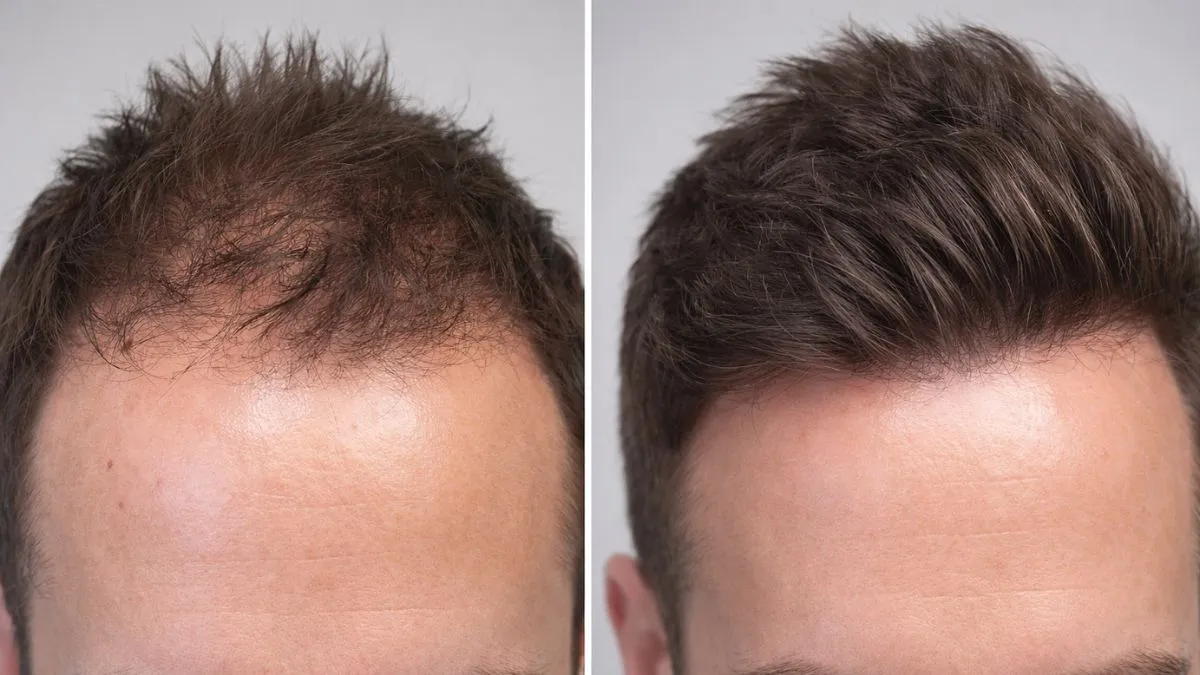
A new hair growth serum is getting attention after a small clinical study showed visible results in just a few weeks. Researchers say the formula, built using plant-based extracts and growth signals, helped improve hair thickness and density in under two months. The study has been published on medRxiv.
The trial involved adults using the serum daily, with changes tracked through imaging over eight weeks. While the results look promising on the surface, researchers also point out that this is still early-stage data and needs more testing before strong conclusions can be made.
A faster signal for hair growth in a short trial
Hair loss, especially male-pattern thinning, is common. Some treatments work, but they often take time and results can vary. This study stands out because it shows a measurable change in a relatively short period.
The clinical work was led by Dr Tsong Min Chang of Schweitzer Biotech Company in Taiwan. The idea was simple. Can a combination serum push hair follicles into an active growth phase faster than usual. Instead of relying on vague product claims, the team used a controlled and blinded study setup to get clearer data.
What’s inside the serum and why it matters
The formula combines a few familiar and some more advanced components. It includes caffeine and panthenol, both commonly found in hair care products. On top of that, the serum uses extracellular vesicles derived from a plant called Centella asiatica. These are tiny signal carriers released by cells.
It also contains fibroblast growth factor 7 and insulin-like growth factor 1. Both are protein signals linked to hair growth and follicle activity. The idea behind the mix is not random. These signals are known to influence how hair grows, especially during the active phase of the cycle.
How the trial was designed and tested
The study included 60 adults between the ages of 18 and 60. Participants were split into five groups, including a placebo group. Each person applied one millilitre of the serum every night for eight weeks.
Researchers measured hair density, thickness, length, and shedding at regular intervals on days 14, 28, 42, and 56. The study design used both placebo controls and blinding, which helps reduce bias.
There were four active groups, each adding more components step by step. Starting from a basic formula, then adding growth factors, then plant vesicles, and finally a full combination.
Hair thickness and density improved by day 56
By the end of the eight weeks, the group using the full combination formula showed the most improvement. Hair density increased by nearly 25 per cent compared to the placebo group.
Hair strands also became thicker. Researchers suggest that the plant-based components may help improve scalp conditions around the follicles. The results also showed that each added ingredient seemed to contribute something, with the full mix delivering the strongest effect.
Study limitations and unanswered questions
The study was short and involved healthy adults, not people with confirmed pattern hair loss. Eight weeks is also not enough to fully track long-term hair growth cycles.
Another point is that company employees were involved in the research, which raises standard concerns about bias. More independent studies will be needed to confirm these findings.
There was also no direct comparison with existing treatments like minoxidil or finasteride. Without that, it is difficult to say how this new formula stacks up against established options.
What existing research says about hair growth signals
Hair grows in cycles, and the active growth phase is where most treatments try to make an impact. Signals like IGF-1 and FGF-7 are known to influence this phase in lab and animal studies.
Centella asiatica has also been studied in skincare. Early research suggests it may help with skin health and inflammation. Meanwhile, caffeine is linked to improved blood flow in the scalp, and panthenol mainly works as a conditioning agent rather than directly triggering growth.
What needs to happen next in testing
Larger and more detailed trials are needed. These should include people with diagnosed hair loss and track clear outcomes like hair count per area.
Future studies should also compare this serum directly with existing treatments. Safety is another key area. Even if risks are expected to be low, researchers need to monitor for irritation, early shedding, or any wider effects.
Consistency in production will also matter. If plant-based vesicles are driving the results, then batches need to be standardised to avoid variation.
What this means for people right now
At the moment, established treatments like minoxidil and finasteride remain the most reliable options. These are backed by larger trials and medical guidance, especially when started early.
The new serum results are interesting, no doubt. But hair growth is a slow process, and long-term consistency matters more than quick changes. For now, this study shows early potential, but more evidence is needed before it becomes a widely trusted solution.
