
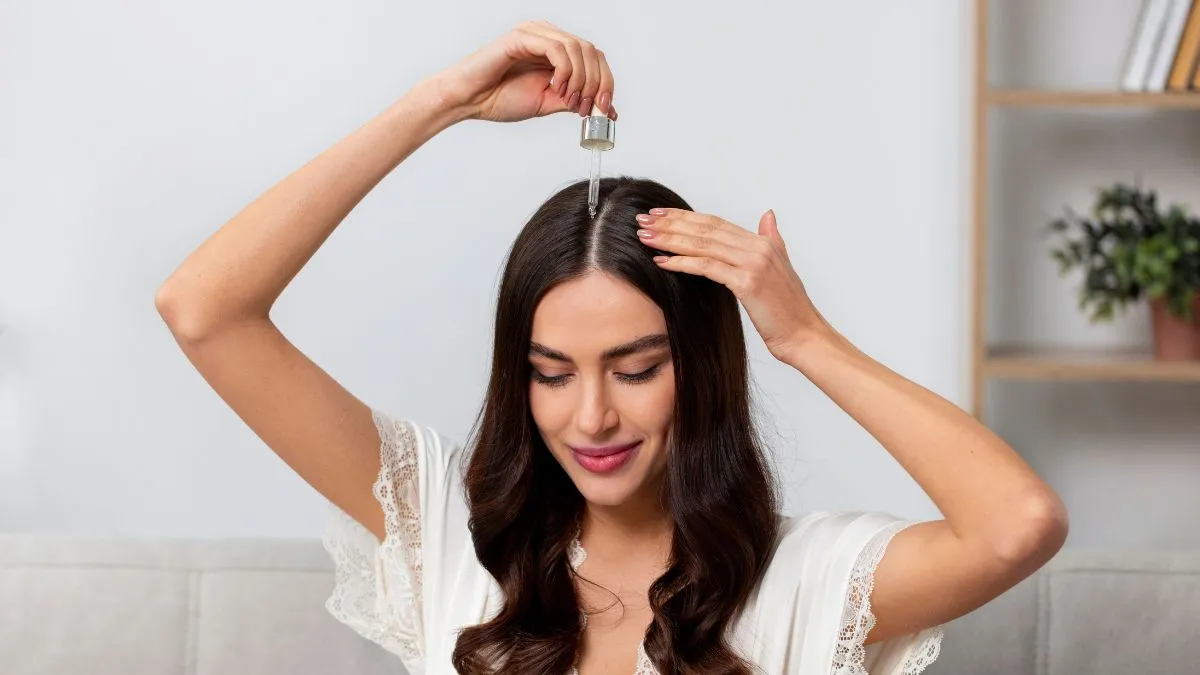
Most people notice hair ageing only when it becomes visible. A few grey strands, reduced volume, or hair that simply does not feel as thick as it once did. But what we see in the mirror is only the final stage of a much deeper process.
“Hair ageing begins much earlier than it appears,” says Dr Debraj Shome, Clinical Scientist and Research Mentor at QR678. “By the time we notice thinning or greying, the follicle has already undergone significant biological changes at a cellular level.”
The biology behind ageing hair
Each hair follicle functions like a tiny, active organ. It runs on a natural cycle of growth, transformation, and rest. During younger days, the cycle is stable enough that hair will always grow steadily and densely.
As time goes by, however, this balance changes. The hair growth stage gets shorter, while the hair rest stage becomes longer. It takes a longer time for hair to regrow. Over time, thicker strands are gradually replaced by finer, weaker ones, a process known as miniaturisation.
When the scalp environment starts changing
Hair health is not just about the strand or even the follicle. It is dependent upon how the scalp functions. If the scalp is healthy, then the hair follicles receive their blood supply and, hence, their nutrients. As one ages, this process slows down and becomes inefficient. At the same time, exposure to pollution, UV rays, and lifestyle stress increases oxidative damage within the scalp.
“Even when it is not visible, low-grade inflammation and reduced circulation can quietly affect how well follicles function,” explains Dr Shome.
The role of oxidative stress
One of the biggest drivers of hair ageing is oxidative stress. Put simply, it is a situation in which there is an excess amount of certain types of molecules that harm cells. Although these molecules are normally found in the body, too many of them lead to cellular dysfunction. Over time, this damage affects hair follicle stem cells, the very cells responsible for regenerating hair.
“Oxidative stress does not just damage the hair shaft; it impacts the follicle’s ability to regenerate itself,” notes Dr Shome.
Inflammation and long-term hair thinning
Chronic, low-level inflammation is another silent factor. It disrupts the hair growth cycle, weakens the anchoring of hair strands and contributes to gradual thinning. In many cases, this inflammation is not visible or immediately noticeable, which makes it easy to ignore. The combination of oxidative stress and inflammation creates a cycle that accelerates follicular decline over time.
Why greying and thinning often go together
Hair greying is not just about pigment loss. It is also linked to changes in the cells responsible for producing colour. Oxidative damage affects these pigment-producing cells, reducing their activity. At the same time, the follicle itself weakens, leading to thinner strands.
This explains why greying and thinning occur simultaneously in the course of ageing.
New thinking about hair care
With the advent of new research, efforts have been made to move beyond superficial hair care into understanding the biological processes involved. Rather than just addressing surface problems, the aim now is to enhance scalp conditions and support cellular functions while minimising oxidation. This is crucial, especially for early prevention of hair deterioration.
Looking beyond what you see
Ageing of the hair is not only about aesthetics. It actually indicates physiological changes that occur under the scalp, in the cells. The knowledge of these physiological changes can provide a better way of caring for hair by not only being concerned with its appearance but also with its physiological function.
At times, the true story behind your hair is not visible but lies beneath.
Also read: Before you blame your shampoo, check your water: The hard water hair truth
