
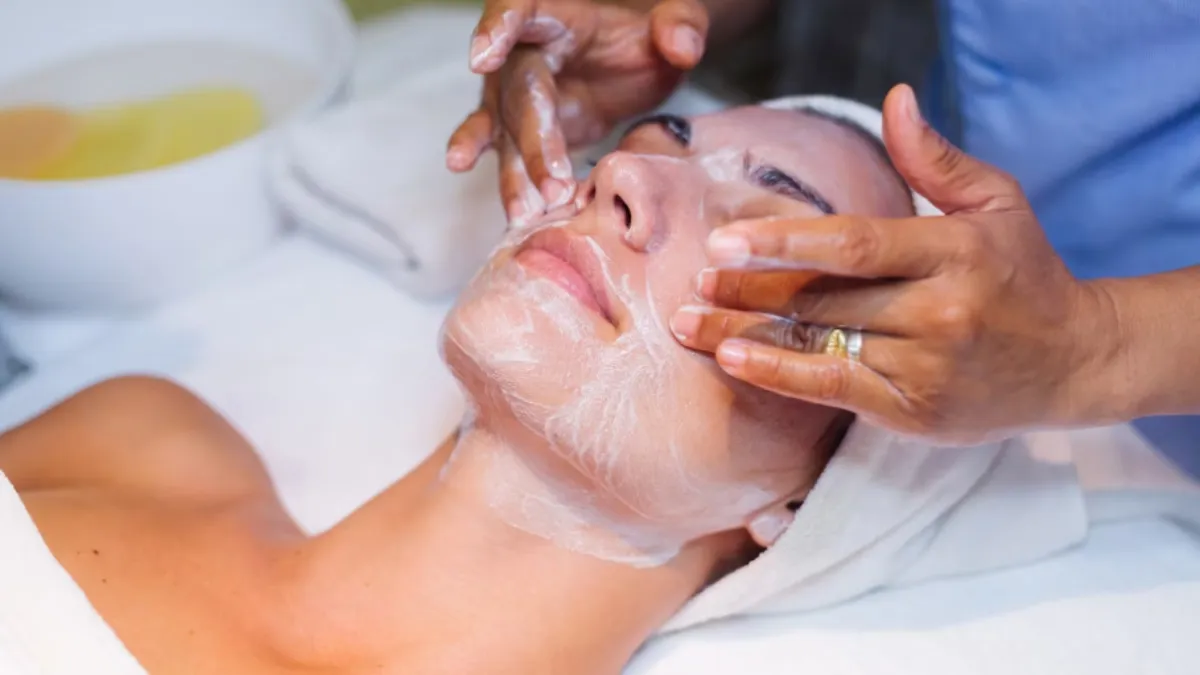
Facials have long been a go-to for anyone looking to pamper themselves or refresh their skin. But as much as we love indulging in these beauty treatments, not all facials are created equal, and some can actually do more harm than good. According to experts, certain types of parlour facials come with risks that could leave your skin irritated, damaged, or even allergic.
Dr Shachi Jain, MD, dermatologist, shared some important insights on why not every facial is a safe bet for your skin and which types you might want to avoid.
The truth about parlour facials: What you don’t know
Taking to Instagram, Dr Sachi wrote, “Parlour facials can be a risky business, especially when they try to perform medical-grade procedures like hydrafacials, dermaplaning, or even chemical peels. It’s always safer and smarter to trust your skin with a certified dermatologist or a licensed aesthetician who has the proper training and equipment.”
4 facials you might want to skip
Here are four types of facials that Dr Sachi Jain suggests could be risky for your skin, especially if you're prone to sensitivity or have certain skin conditions.
- Fruit facial: “Sounds very exotic, but it can actually trigger your acne and strip away your skin barrier,” Dr Sachi warned.
- Salon hydrafacial: “Sounds amazing because it is cheap, but you don't know if those pores are getting cleaned or not or what product is being used,” she said.
- Gold facial: Dr Shachi, who admitted that she detests gold facials the most, cautioned that the "shimmer and bleach" in this facial can potentially "cause chemical burns on your skin, so beware."
- Aroma facial: “Again, it sounds exotic, but honestly, it can trigger your sensitivity, eczema, psoriasis, and other allergic conditions,” Dr Shachi said.
So next time you're tempted to indulge in a facial, think twice about which treatment is best for your skin—and maybe save your money for something that will give you lasting results, not just a temporary glow.
ALSO READ: Should you apply moisturiser before or after sunscreen? Dermatologist explains
