
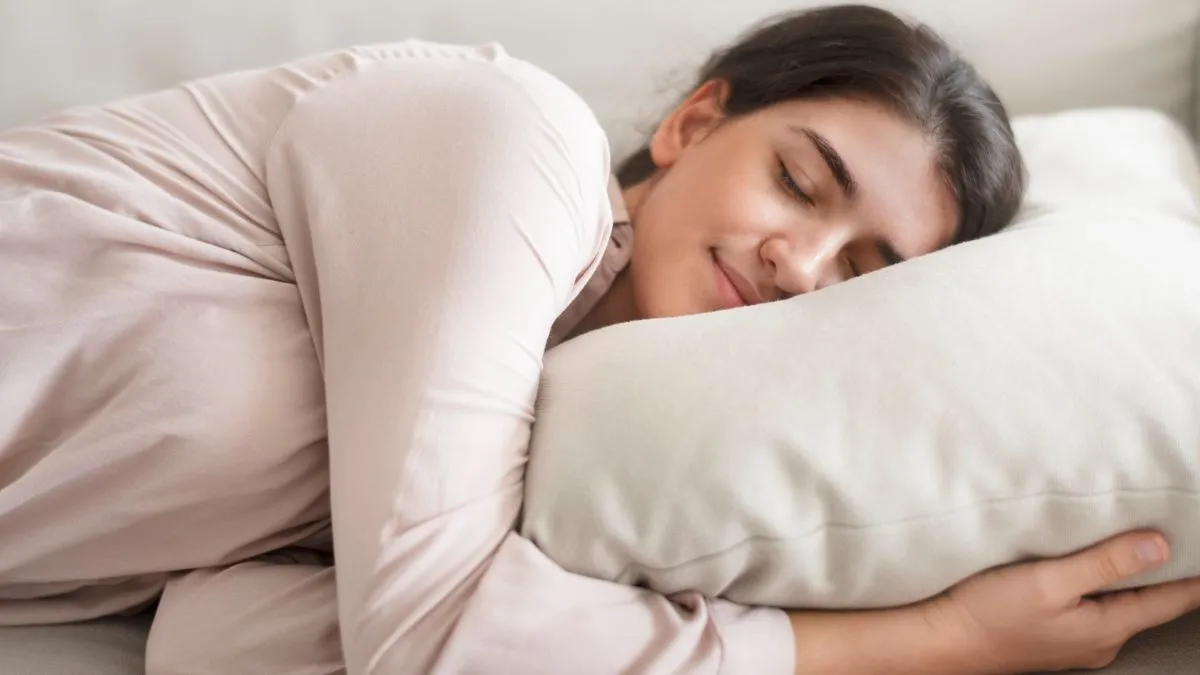
Keeping your lungs healthy is extremely important. From breathing clean to avoiding smoking, there are different ways that you can adopt to keep your lungs healthy. However, these are just the bigger habits, and there might be smaller everyday things that could be damaging your lungs, one of them being your pillow.
When your pillow is old and not maintained well, it could be harming your lungs more than you know. Read on as Dr Manoj K. Goel, Principal Director of Pulmonology at Fortis Memorial Research Institute, Gurugram, shares how pillows can affect your lungs and when to replace them.
How does a pillow impact lung health?
Old or poorly maintained pillows can harm respiratory health by harbouring allergens, dust mites, mould and fungi that can trigger or exacerbate lung conditions such as asthma and hypersensitivity pneumonitis.
Mold in foam pillows has specifically been linked to cases of hypersensitivity pneumonitis, causing immune-mediated lung inflammation that, if left untreated, may progress to pulmonary fibrosis and respiratory failure.
Symptoms that indicate you need to change your pillow
Dr Goel says that symptoms such as sniffling, sneezing, itchy or watery eyes after waking and persistent cough may indicate the need to replace your pillow. Visible stains, odours, lack of bounce, sagging or lumping also suggest your pillow is overdue for replacement
When should you change your pillow?
Doctors recommend replacing pillows every one to two years to minimise the build-up of these irritants, but those with asthma, sinus issues or existing lung conditions should consider new pillows every 3–6 months as old ones can trigger allergies, worsen asthma, and, in rare cases, lead to serious lung conditions like hypersensitivity pneumonitis or aspergillosis.
- Replace standard pillows every 1–2 years for most individuals.
- Those with asthma, allergies, or immunosuppression should do so every 3–6 months.
- Wash pillows according to manufacturer guidelines every 3–6 months and regularly use hypoallergenic covers.
- Immediately replace pillows showing mould, severe stains, odours, or persistent allergy symptoms.
- Regular pillow replacement and maintenance significantly reduce respiratory risks and contribute to better sleep hygiene and lung health.
Disclaimer: Tips and suggestions mentioned in the article are for general information purposes only and should not be construed as professional medical advice. Always consult your doctor or a dietician before starting any fitness programme or making any changes to your diet.
ALSO READ: Your home’s dampness could be making you sick: Doctor explains warning signs
