
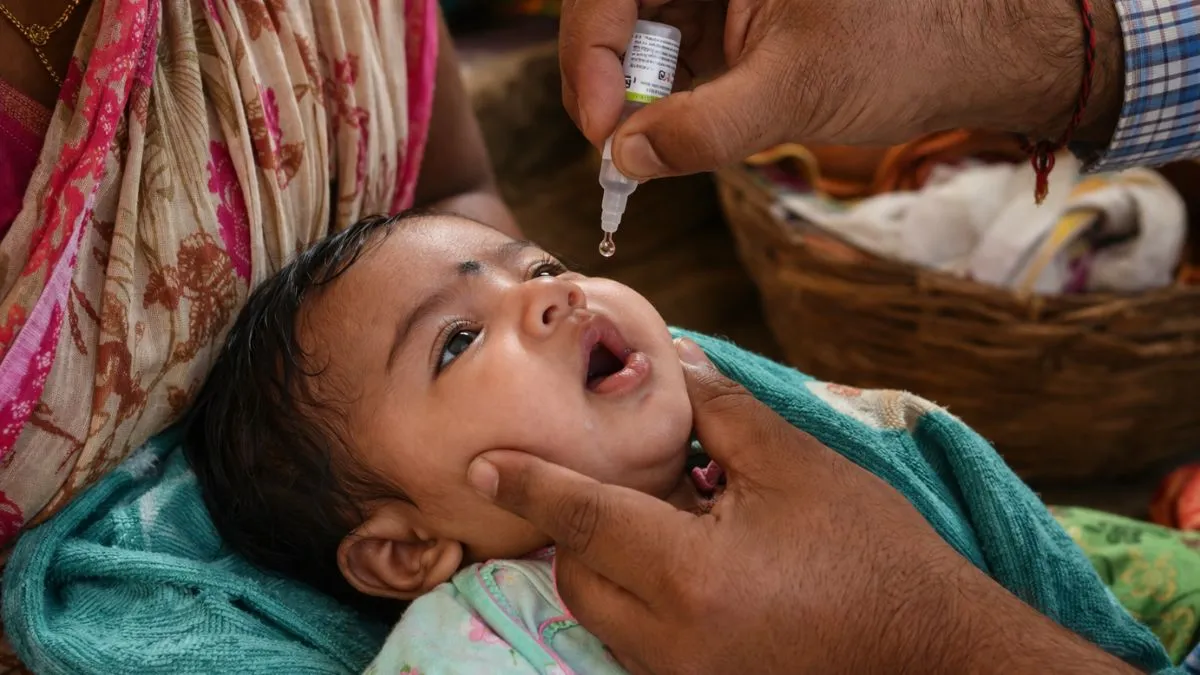
Diseases used to shape entire generations. Some of them killed millions. Some left people paralysed for life. Today, a large part of Gen Z has never actually seen many of these illnesses up close. Not because they disappeared on their own, but because vaccines quietly did their job. It’s a shift that becomes even more relevant during World Immunisation Week, observed from April 24 to 30 each year.
Over the past century, vaccination programmes have changed public health in a way few other interventions have. From wiping out deadly infections to pushing others to the brink of extinction, vaccines have reshaped what “normal” health looks like today. World Immunisation Week serves as a reminder of how far things have come, and why continued efforts still matter.
8 diseases Gen Z has largely been shielded from because of vaccines
1. Smallpox
Once one of the deadliest diseases in human history, smallpox caused widespread deaths for centuries. It is now the only human disease to be completely eradicated through vaccination. The first vaccine dates back to 1796, and a global vaccination drive led to its official eradication in 1980.
2. Polio
Polio used to paralyse thousands of children every year. The first effective vaccine was introduced in 1955. Today, the disease is nearly eradicated, with wild cases limited to a few regions globally.
3. Measles
Before vaccines, measles outbreaks were common and often fatal, especially among children. The first measles vaccine was introduced in 1963, leading to a dramatic fall in cases worldwide.
4. Mumps
Mumps caused swelling, fever and in some cases, long-term complications. A vaccine became available in 1967, and later got combined with measles and rubella into the MMR vaccine in 1971.
5. Rubella
Rubella, also known as German measles, was especially dangerous for pregnant women, leading to miscarriages and birth defects. The vaccine was introduced in 1969 and has since drastically reduced cases in many parts of the world.
6. Hepatitis B
A virus that can lead to chronic liver disease and cancer, hepatitis B was once widely transmitted, especially from mother to child. The first vaccine was introduced in 1981, and widespread immunisation has significantly reduced infection rates.
7. Haemophilus influenzae type b (Hib)
Hib infections used to cause severe illnesses like meningitis in children. A vaccine introduced in the 1980s led to a sharp drop in cases and related deaths.
8. Tetanus
Tetanus, caused by bacteria entering wounds, leads to painful muscle stiffness and can be fatal. Vaccination programmes have made it rare in many countries, even though the bacteria still exist in the environment.
ALSO READ: Vaccination facts vs myths: Expert separates truth from fear
What’s important to understand is that many of these diseases haven’t vanished completely. They’ve been controlled. Contained. In some cases, almost eliminated. That distinction matters.
For Gen Z, the absence of these diseases might feel normal. But it’s really the result of decades of consistent vaccination. And that quiet success often goes unnoticed.
