
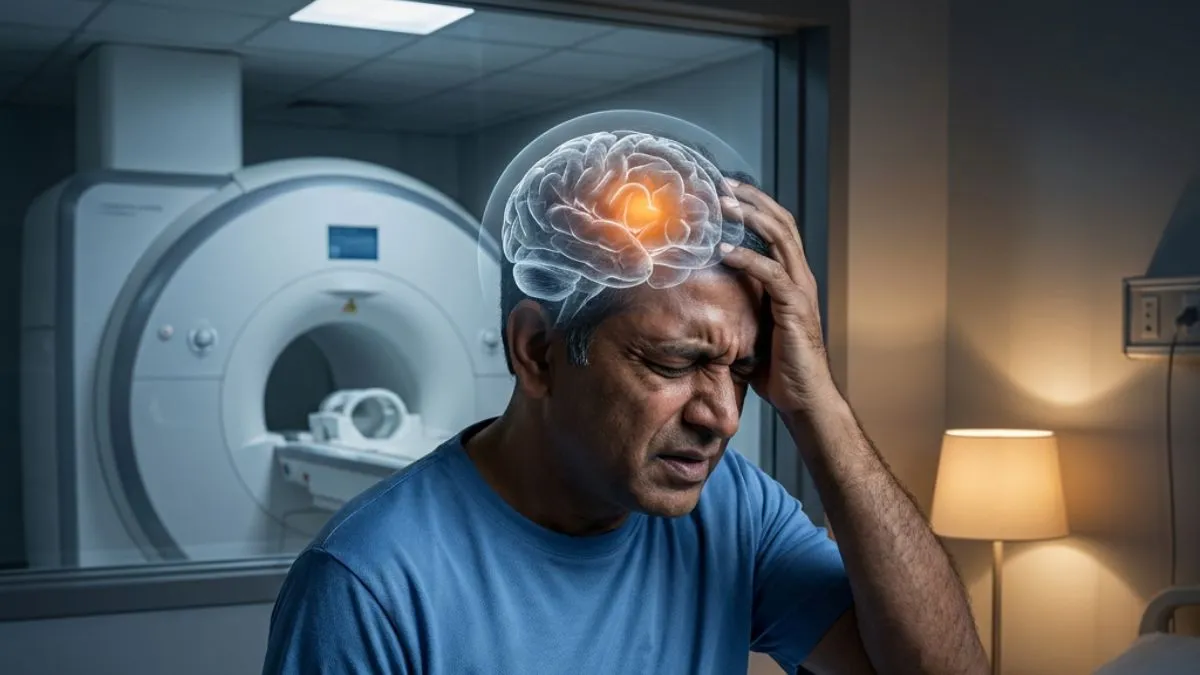
A recurring headache can be frustrating, disruptive and, for many people, deeply worrying. One question that often follows repeated episodes of headache is whether the pain could be signalling something more serious, such as a brain tumour.
While it is natural to be concerned, experts say that most recurring headaches are not caused by brain tumours. Conditions such as migraine and tension-type headaches remain far more common explanations. However, knowing when headaches should be investigated is essential, especially on World Brain Tumour Day, which aims to raise awareness about the importance of brain health and early diagnosis.
Why recurring headaches do not always mean something serious
Recurring headaches are among the most common reasons people seek neurological consultation. According to Dr Rajinder Kumar, Principal Director and Unit Head, Neurosurgery, Yashoda Medicity, most recurrent headaches are linked to migraine or tension-type headache rather than a brain tumour or other structural abnormality.
Headache disorders continue to affect a large number of people and can significantly impact daily activities, work productivity and overall quality of life. This is one reason why headaches remain among the most common neurological complaints.
Why an MRI is not usually the first step
Many people assume that frequent headaches automatically require a brain scan. However, neurologists are generally less concerned about how often headaches occur and more focused on whether their pattern or characteristics have changed.
An MRI is used to identify structural problems within the brain, including tumours, infections, inflammation, bleeding or certain blood vessel disorders. It is not designed to diagnose migraine, which is usually identified through a detailed assessment of symptoms and medical history.
Warning signs that may require an MRI
Although most headaches are not linked to serious neurological conditions, certain symptoms should never be ignored.
According to Dr Kumar, imaging becomes important when headaches are accompanied by specific red flags. These include:
- A sudden and unusually severe headache
- A progressive increase in headache frequency or intensity
- New-onset headaches after the age of 50
- Weakness in any part of the body
- Difficulty speaking
- Seizures
- Persistent visual disturbances
- Altered consciousness or confusion
The importance of headache patterns
One of the most important factors doctors consider is whether the headache has changed over time. A headache that has remained consistent for years is assessed very differently from one that has recently become more severe, more frequent or accompanied by new symptoms.
For this reason, specialists place significant emphasis on taking a detailed clinical history before recommending imaging tests.
When it comes to recurring headaches, fear alone should not determine whether an MRI is needed. Most headaches are not caused by brain tumours, but certain warning signs can indicate the need for further investigation.
Also read: Is sleeping under an AC causing your morning headaches? Neurologist explains
