
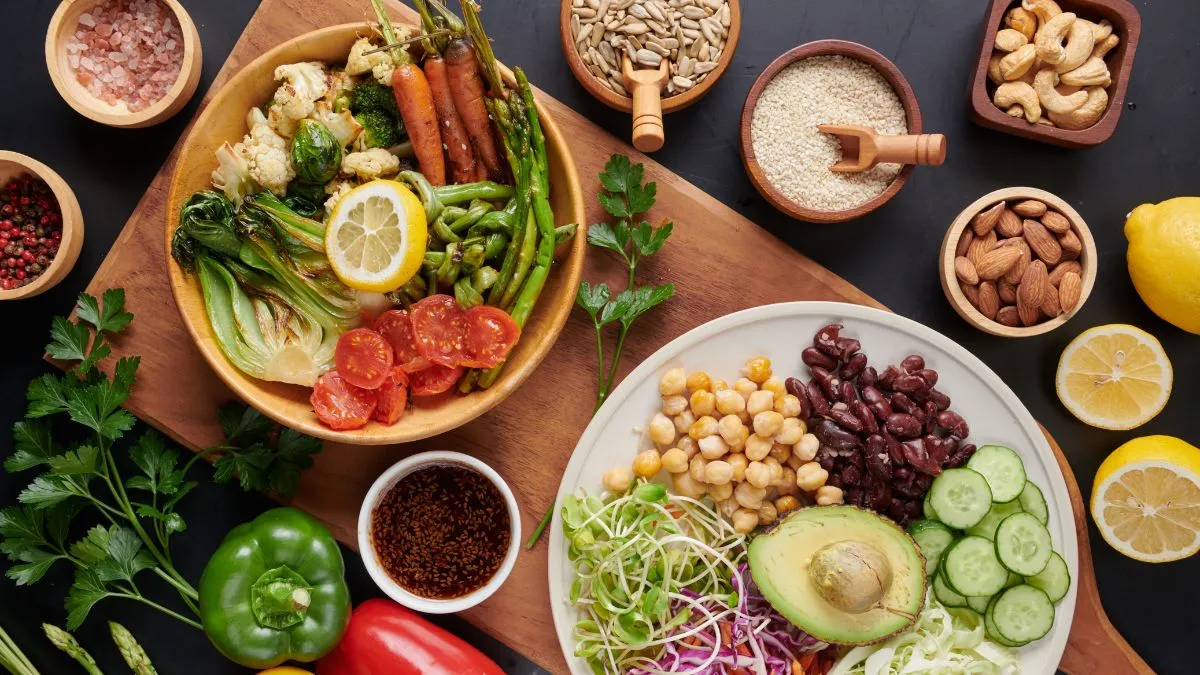
Fertility is no longer just a medical conversation. It is increasingly becoming a lifestyle one. From sleep cycles to stress levels, everything is under the lens, and diet is right at the centre of it.
Plant-based eating, in particular, has gained attention. Some swear by it, others are sceptical. So, where does the science actually stand when it comes to fertility?
It is not about “vegan vs non-vegan”
“People often look for a single solution,” says Dr Namrata Gupta, Senior Consultant in Obstetrics and Gynaecology at CK Birla Hospitals, Jaipur. “But fertility does not work that way. It reflects overall health.” What current research does show is this: diets built around whole plant foods tend to support better metabolic and hormonal balance. That matters more than labels like vegan or non-vegan.
Think whole grains, lentils, seasonal fruits, vegetables, nuts and seeds. These are not just “healthy” in a generic sense. They actively reduce inflammation and oxidative stress, both of which are known to affect reproductive health.
Why your metabolism quietly affects fertility
This is where things get interesting. For women dealing with Polycystic Ovary Syndrome, one of the most common causes of infertility, insulin resistance is often a key issue. Plant-forward diets have been shown to improve insulin sensitivity, which in turn can help regulate ovulation.
It is not dramatic. It is not overnight. But it is clinically relevant. Better blood sugar control often translates into more regular cycles, and that is a crucial starting point.
The antioxidant angle no one talks about enough
We hear about antioxidants all the time, usually in the context of skin or ageing. Fertility rarely enters that conversation, but it should.
Oxidative stress can damage reproductive cells, including oocytes. Diets rich in plant foods help counter this by supplying antioxidants that protect cellular health.
There is also folate, which does not get enough credit. Found in leafy greens, it plays a direct role in ovulation and early embryonic development. It is one of those nutrients that quietly does a lot of heavy lifting.
What about IVF and assisted reproduction?
There is growing interest in how diet influences assisted reproductive outcomes. Patterns similar to the Mediterranean diet, which are largely plant-forward, have been linked to better vascular health. In simple terms, improved blood flow may support the uterine environment and implantation. That said, this is supportive, not decisive. No diet can guarantee success, and it is important to keep expectations realistic.
Where vegan diets can fall short
This is the part often glossed over. A plant-based diet can support fertility, but only when it is well planned. Certain nutrients are harder to obtain in adequate amounts through a strict vegan diet. Vitamin B12, iron, omega-3 fatty acids, zinc and vitamin D are the usual gaps. And these are not minor details. Deficiencies here can affect ovulation, implantation, and even sperm health.
In many cases, a vegetarian approach that includes dairy makes it easier to meet these needs. It is less restrictive and often more practical.
So, does it actually help?
The honest answer is this: no single diet can “boost” fertility in isolation. What a well-balanced, plant-forward diet can do is create the right internal conditions. Better metabolism. Lower inflammation. Improved hormonal balance. And those things matter.
If there is one takeaway, it is this. Fertility is not about cutting things out. It is about building a system that supports your body consistently.
Disclaimer: Tips and suggestions mentioned in the article are for general information purposes only and should not be construed as professional medical advice.
