
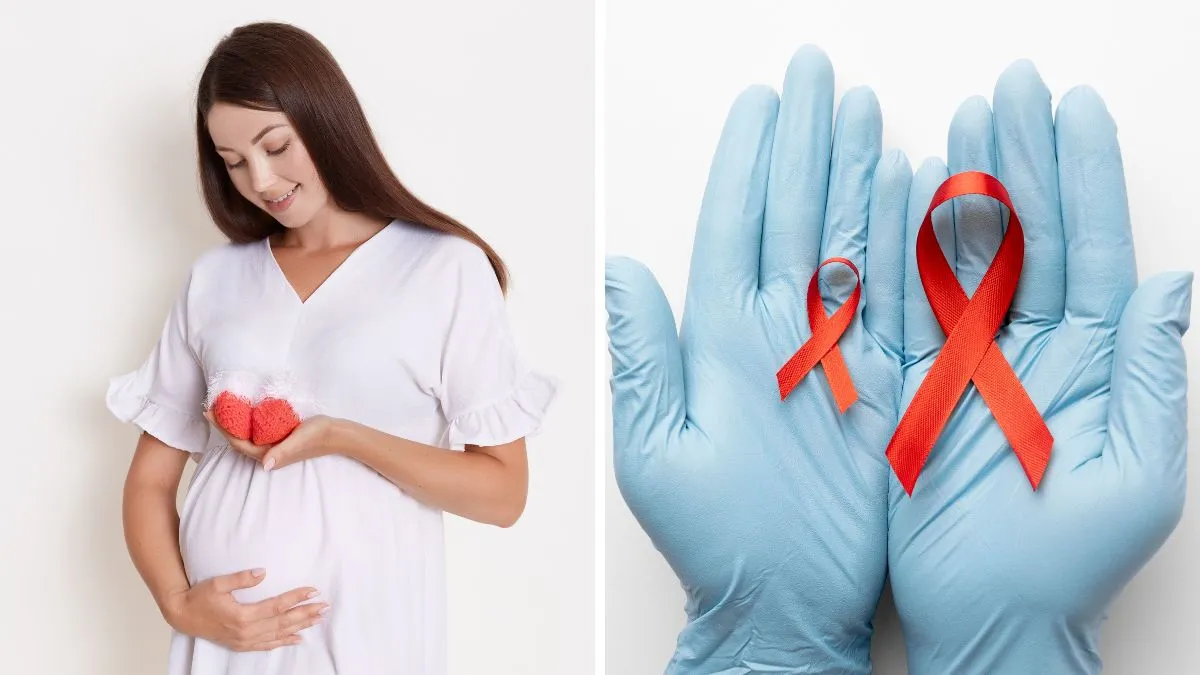
For many women, the road to motherhood is accompanied by its own set of questions and issues. For those suffering from HIV/AIDS, these issues have often been compounded by fear, stigma, and misconception. However, science has made tremendous progress, and today, HIV-positive women not only have the ability to plan their pregnancy but can also deliver healthy, HIV-negative babies.
There was a time when HIV was considered a major hindrance to pregnancy, especially due to the risk of mother-to-child transmission. However, this is one aspect that has undergone a significant shift.
Pregnancy with HIV: What has changed over the years
“Women living with HIV/AIDS can have a safe and healthy pregnancy with proper medical care, timely diagnosis, and consistent treatment,” says Dr Geeta Jain, HOD - Obs, Gynae & IVF, Cofounder Maccure Hospital and Aastha Hospital, Delhi. Recently, the chances of transmission have been minimised with the advent of modern medical science and antiretroviral therapy (ART).
Why early diagnosis makes all the difference
One of the most important factors for a healthy pregnancy is early diagnosis. Pregnant women or women who wish to conceive are strongly advised to undergo an HIV test. This will enable the doctors to start the treatment as early as possible and reduce the viral load in the body. “Early diagnosis helps in the timely initiation of treatment, which plays a key role in reducing the risk of transmission to the baby,” explains Dr Jain.
Lower viral load means lower risk, and that’s where modern treatment makes a real difference.
How treatment protects both mother and baby
Antiretroviral therapy (ART) is the cornerstone of managing HIV during pregnancy. These medications work by suppressing the virus and strengthening the immune system. Doctors emphasise strict adherence to medication throughout pregnancy. Regular prenatal check-ups and blood tests are equally important to monitor how well the treatment is working. “Antiretroviral therapy is the most effective way to protect both the mother and the baby during pregnancy,” notes Dr Jain. With consistent care, the risk of transmission can be reduced to very low levels.
Delivery and care after birth
The mode of delivery is carefully decided based on the mother’s viral load. If the viral load is well-controlled, a normal vaginal delivery may be considered safe. In cases where viral levels are higher, doctors may recommend a planned caesarean section to minimise risk.
After birth, preventive care continues. The newborn is given antiretroviral medication for a specific period and undergoes testing at different stages. “With proper preventive measures, the chances of the baby being born HIV-negative are quite high,” says Dr Jain.
“There is a need to raise awareness that HIV-positive women can lead healthy lives and experience motherhood safely,” Dr Jain adds. Support from family, counselling, and a non-judgmental environment can make a significant difference in their journey.
Also read: International Women's Day 2026: Health tests women should take in their 20s, 30s, 40s, 50s and 60s
