
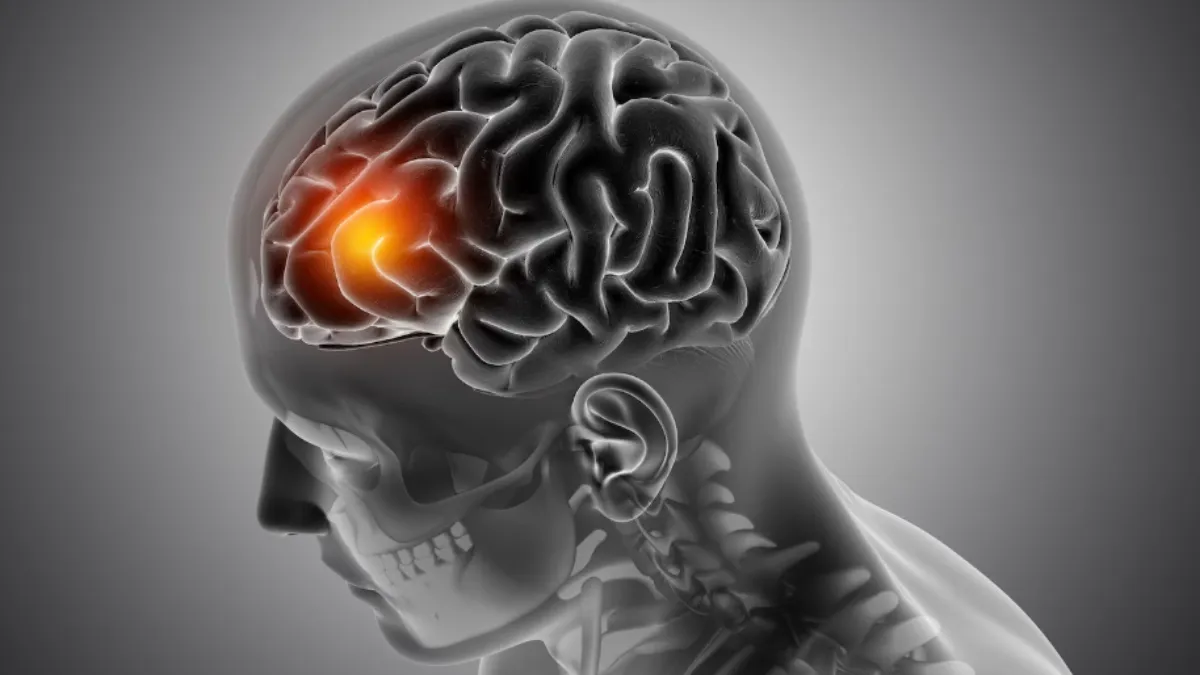
A stroke causes permanent disability (paralysis) and happens suddenly with no prior symptoms. However, the "golden window" of 4.5 hours following the onset of symptoms considerably increases the likelihood of restoring lost function and preventing further damage to the affected area of the brain.
To lower the likelihood of experiencing more loss of function as a result of persistent brain injury, it is advised that people be able to identify early warning signals and seek medical assistance as soon as feasible.
What is a stroke?
A stroke is a medical emergency that occurs when there is a sudden blockage (or limitation) of the blood flow to a portion of the brain (usually caused by a clot) that prevents brain cells from receiving oxygen and other nutrients. Ischemic Strokes are the most common type of stroke.
Warning signs
- Balance loss
- Eye vision changes
- Face drooping
- Arm weakness
- Speech difficulty
- Time to act fast
Dr P. Vijaya, Senior Neurologist and President of the Indian Stroke Association (ISA), said, “Stroke can lead to several short- and long-term complications depending on the area and extent of brain damage. The complications are paralysis or weakness on one side of the body, speech and swallowing difficulties, and vision problems. Time plays a decisive role in stroke recovery. So, nearly two million brain cells die every minute, which is why reaching the hospital early can mean the difference between recovery and permanent disability. If a patient with an ischemic stroke arrives within 4.5 hours, doctors can administer a clot-dissolving injection that helps restore blood flow to the affected area of the brain. This treatment can reduce brain damage and, in many cases, reverse paralysis. However, once this golden window closes, the medication becomes ineffective, and the damage is often permanent."
"When stroke treatment is delayed beyond the golden window, brain damage becomes irreversible, paralysis may become permanent, speech, memory, and vision problems can persist for life, and the patient can become bedridden. Early treatment and rehabilitation can significantly reduce the severity of these complications," the doctor explained.
Dr Arvind Sharma, Stroke Specialist & Neurologist, Secretary of the Indian Stroke Association (ISA), explained, “Stroke should be treated with the same urgency as a heart attack. Many patients lose valuable time because symptoms are ignored or mistaken for fatigue or minor illness. Emergency stroke care focuses on quickly identifying the type of stroke and restoring blood flow to the brain. Early intervention not only saves lives but also preserves brain function, allowing patients to return to normal activities with minimal disability. To prevent paralysis caused by stroke, treatment must begin as early as possible. If an ischemic stroke is identified in time, a clot-busting injection (tPA) can be given within the golden window to restore blood flow to the brain. In serious cases, emergency procedures or surgery may be required to remove the clot, helping limit brain damage and reduce the risk of permanent paralysis.
Most strokes are preventable with lifestyle modifications, including a better diet and exercise. This can help decrease one's chance of having a stroke. Patients are advised by their physician to:
Monitor their blood pressure, diabetes, and cholesterol (as determined by the physician). Start a smoking cessation program. Exercise for at least 30 minutes/day. Decrease sodium intake by following a healthy diet.
Disclaimer: Tips and suggestions mentioned in the article are for general information purposes only and should not be construed as professional medical advice. Always consult your doctor or a dietician before starting any fitness programme or making any changes to your diet.
ALSO READ: Getting frequent headaches? A neurologist explains when tests are needed
