
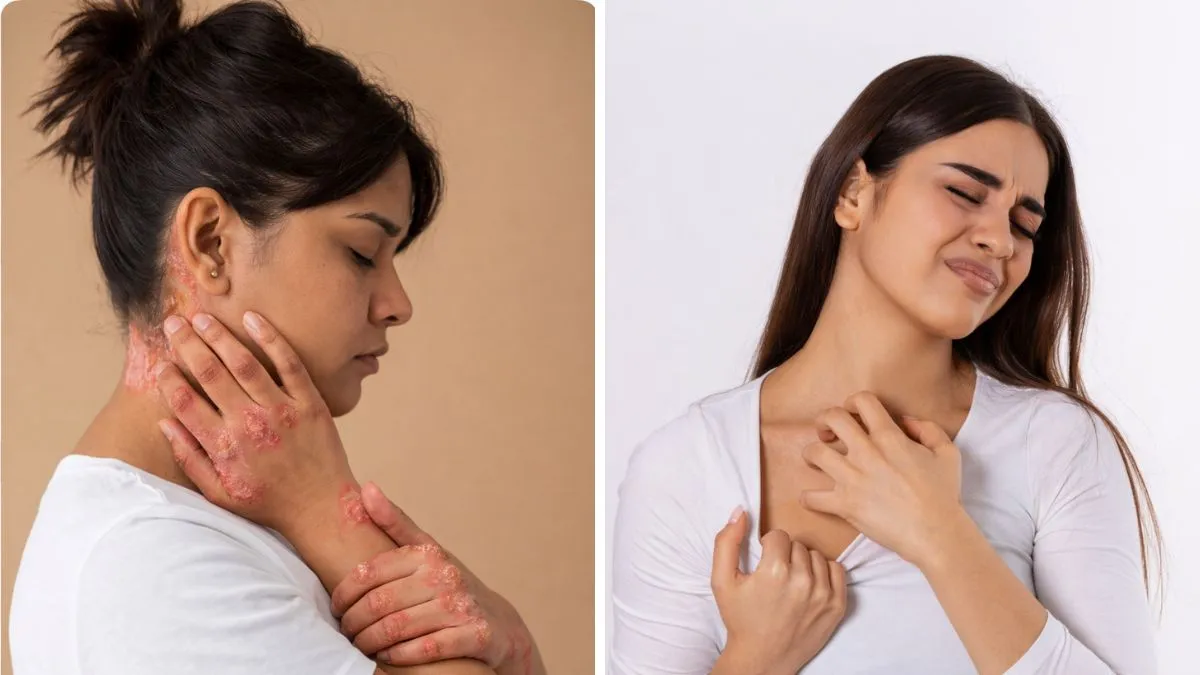
Ageing changes the body in ways we do not always notice immediately. One of the biggest shifts happens quietly; the immune system becomes less responsive. And that is when certain infections, which once seemed like a thing of the past, can return. One of them is shingles.
What exactly is shingles
Shingles is caused by the same virus responsible for chickenpox, known as the varicella zoster virus. After recovery from chickenpox, the virus does not leave the body. It remains inactive in nerve tissues for years.
“When immunity weakens, the virus can reactivate and travel along the nerves, causing a painful rash,” explains Dr Amrut S D, Associate Consultant in Neurology.
This is the reason why shingles is more common among the elderly, especially those aged above 50. More than just a skin problem Shingles may look like a skin problem at first, but the effects are more profound. The most challenging aspect of shingles is the occurrence of postherpetic neuralgia, which is described as nerve pain that persists even after the rash has disappeared. This pain may last for months or even years.
That is where prevention becomes critical.
Why the shingles vaccine matters
Vaccination is currently the most effective way to reduce the risk of shingles and its complications.
The recommended vaccine, Shingrix, is a non live vaccine that offers strong protection. It has been proven to prevent over 90 percent of the disease and greatly reduce the risk of long-term nerve pain. The vaccine has even been proven to be beneficial to those who have already experienced shingles at some point in their lives because it helps prevent recurrence. Other than shingles: new benefits New studies are now emerging to reveal the new health benefits that come with the vaccine. Shingles vaccination has been proven to have the ability to prevent stroke and heart disease. Some studies have even suggested that it might be beneficial in maintaining brain health and preventing the inflammation that occurs in old age.
Who should consider the vaccine
Health experts recommend the vaccine for:
- Adults 50 years old and above
- Adults 19 years old and above with a weakened immune system
Two doses of the vaccine are recommended for full protection. A small step with long-term impact. While preventing shingles is not just about preventing a rash, it is also about enhancing quality of life. A vaccine could also minimise the risk of chronic pain, minimise long-term medication, and ensure independence in old age. Dr Amrut S. D. writes that “a small step today could make a huge difference in old age.”
Shingles is common, but it is also preventable. And sometimes, the most effective health decisions are the simplest ones. A conversation with your doctor today could help you avoid months or even years of discomfort later.
Also read: Urban heat is rising: Here’s how it’s quietly affecting your body
