
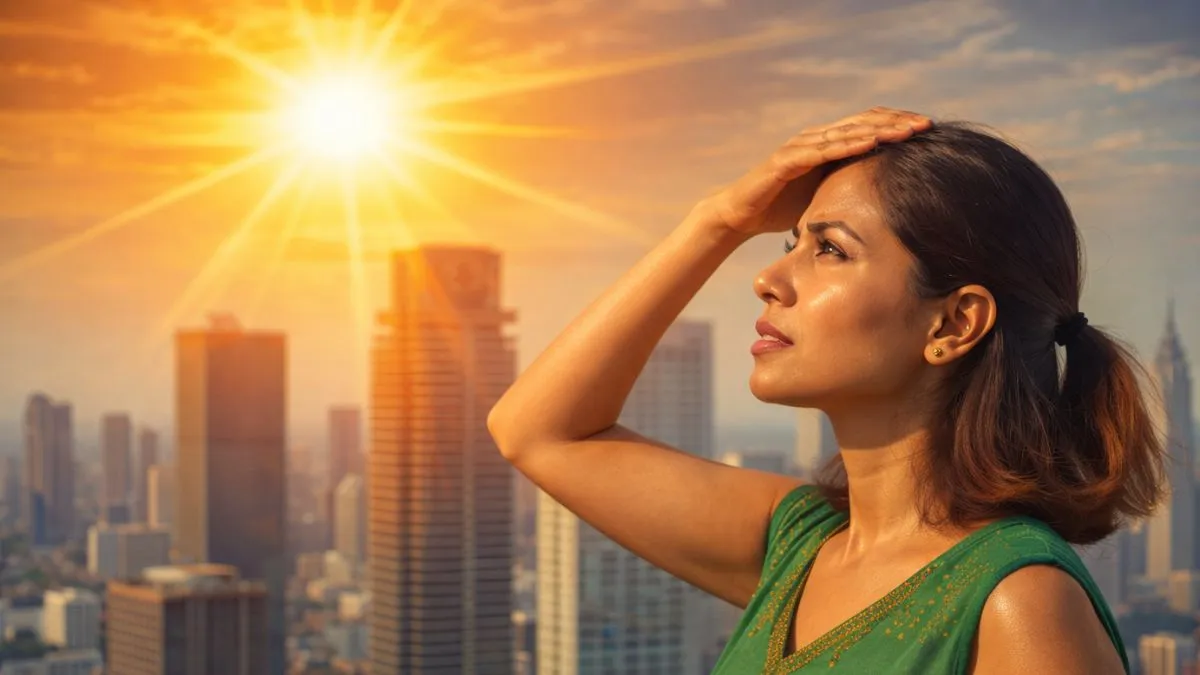
Step outside in any major city right now, and the heat feels different, heavier, harsher, and far less forgiving. It’s not just your imagination. Urban areas are heating up faster than rural surroundings, and the impact is showing up not just on thermometers, but in our bodies too.
What doctors are now pointing out is an increased incidence of heat stress, dehydration, fatigue, and other related issues, which can now be traced back to the manner in which cities are being designed. From the lack of space to the lack of greenery, the contemporary style of living is inadvertently causing the effects of increased temperatures to manifest, with your health being affected.
Why cities feel significantly hotter
What you are experiencing is called the Urban Heat Island (UHI) Effect. The Urban Heat Island Effect is the temperature difference between a city and a rural area. This occurs mainly because of the presence of concrete structures, asphalt roads, and a lack of vegetation.
Dr Anu Preethi Dorai Raj, General Physician, Apollo Medical Centre, Anna Nagar, states, “The temperature difference can be as high as 3 to 4 degrees. This may not seem like a huge difference, but it can lead to a number of health issues.”
Unlike rural areas, cities trap heat during the day and release it slowly at night, which means your body gets little time to recover.
What rising temperatures are doing to your body
- Heat stroke: This is one of the most serious conditions linked to extreme heat. The ability to control its own temperature is lost, and the heat within the body increases rapidly. Sweat production ceases. This is a life-threatening state if not treated in time.
- Heat exhaustion: Heat exhaustion is one of the most underestimated heat-related hazards. It occurs when the body loses too much water and salt through sweating. It makes a person feel weak, dizzy, and utterly drained.
- Rhabdomyolysis: Another serious, yet not-so-well-known, threat is rhabdomyolysis, a state in which muscles degenerate due to excessive exposure to heat and physical activities. This affects the kidneys and can lead to life-threatening complications.
Apart from these, other health issues, such as heart, lung, diabetes, and mental health problems, are also affected by extreme heat. Other minor, yet increasingly common, health issues, such as heat rash, cramps, and fainting spells, are also common.
Small daily habits that can make a big difference
The good news is that it can be achieved with the development of good habits.
- Drink plenty of water during the day, even if you don’t feel thirsty. Avoid caffeine and alcoholic drinks, which can cause dehydration. It is best to avoid going out during peak afternoon sun, when the sun is at its strongest.
- Wear light clothing made from breathable fabrics, and keep your home cool. Accessories like hats, sunglasses, or an umbrella can also prevent dehydration.
- Most importantly, be aware of the early signs of dehydration, which can manifest as fatigue, headaches, or nausea.
As the world gets warmer, urban heat is not just a weather event; it’s a lifestyle and health change. Think smarter cities, think green spaces. Think long-term solutions.
In the meantime, awareness is the first line of defence. Because in a world where cities are getting hotter, staying cool is not just about staying cool; it’s about staying well.
Also read: A simple 5-second test can reveal if you are dehydrated | WATCH
Disclaimer: Tips and suggestions mentioned in the article are for general information purposes only and should not be construed as professional medical advice. Always consult your doctor or a dietician before starting any fitness programme or making any changes to your diet.
