
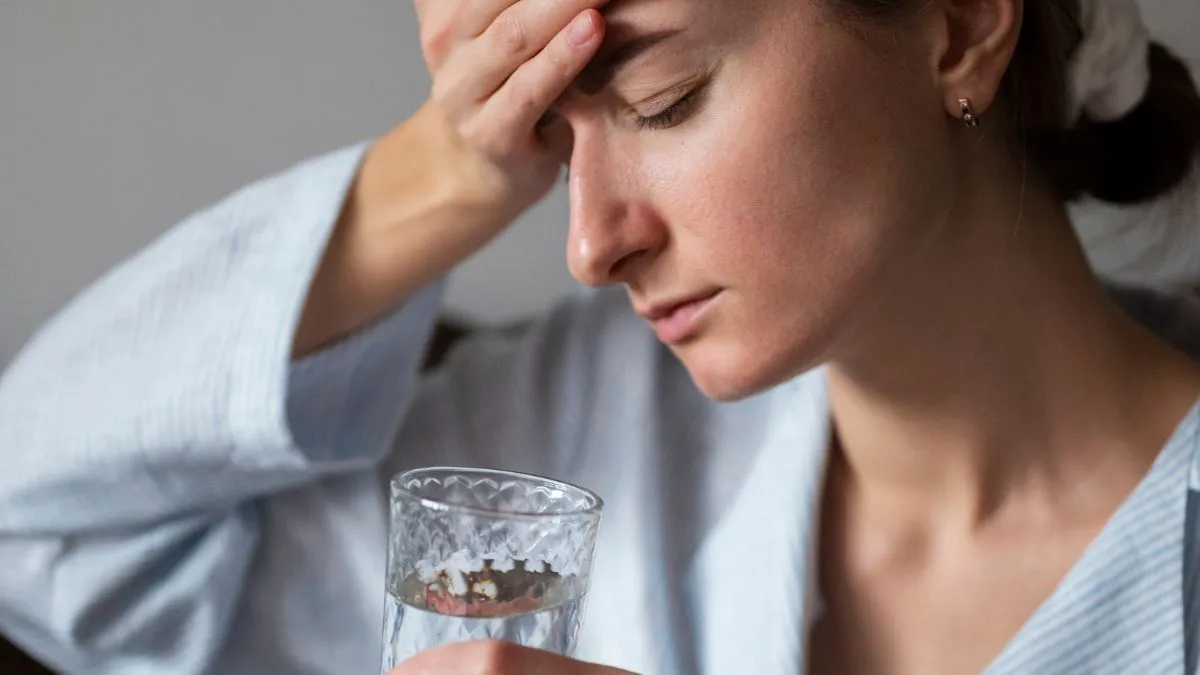
Dehydration does not always announce itself loudly. Sometimes, it shows up quietly through fatigue, headaches, or that mid-day sluggishness you cannot quite explain. And while most of us reach for water when we feel thirsty, the body often signals dehydration much earlier.
A simple test, shared by a doctor online, is now getting attention for how quickly it can offer a clue.
What is the 5-second skin test?
In a recent YouTube video, double board-certified physician Dr Sood explained a quick way to check for dehydration using your skin. The method is simple. Gently pinch the skin on the back of your hand, hold it for a second, and release. If your body is well hydrated, the skin should return to its normal position almost immediately. If it takes a few seconds and appears slightly “tented”, it could be a sign that your body is low on fluids.
Why this works
This test is based on something called skin turgor, which refers to the skin’s ability to change shape and return to normal. When you are properly hydrated, your skin contains enough fluid and elasticity to bounce back quickly. There is a protein that plays an important role here, named elastin, which assists the skin in snapping back into place. Even the slightest amount of fluid loss during dehydration can impact the elasticity of the skin, as the tissues dry out, causing the skin to be less responsive, hence the raised skin after pinching.
When the test may not be accurate
While the test is quick and useful, it is not foolproof. According to Dr Sood, it is not as reliable in older people. As we get older, our skin becomes less elastic, which means that even if our hydration levels are normal, our skin will not bounce back as quickly as it once did. This is why this method should only be used as a rough guide, not a diagnosis.
Other signs you should not ignore
Skin turgor is just one factor. It is important to look at the bigger picture. Signs of dehydration can include dry mouth, dizziness, fatigue, and reduced urine output. Dark urine is also a sign that your body needs more fluids.
If a number of these signs are present, then it is a stronger indication that your body needs hydration.
Also read: Think weekend sleep-ins fix your sleep debt? Here’s why your body disagrees
Disclaimer: Tips and suggestions mentioned in the article are for general information purposes only and should not be construed as professional medical advice. Always consult your doctor or a dietician before starting any fitness programme or making any changes to your diet.
