
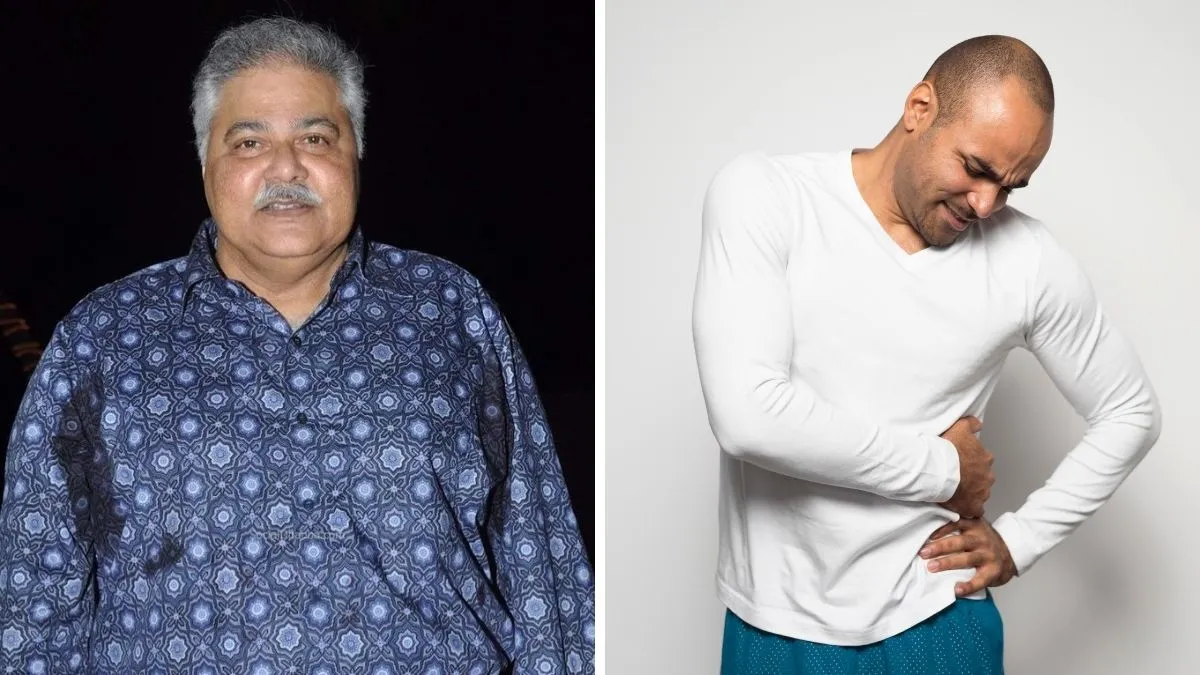
Veteran actor Satish Shah's sudden death sent shock waves amongst his fans. The 'Sarabhai vs Sarabhai' actor passed due to kidney failure. Reportedly, Satish got his kidney transplanted earlier this year, and he was put on dialysis. For millions of Indians familiar with his warmth and wit, it was a painful reminder that even after a transplant, often seen as the “cure” for kidney failure, the battle doesn’t really end.
Behind every successful transplant lies a lifelong balancing act. For older patients in particular, post-surgery complications and infection risks can turn fatal with little warning. Satish Shah’s story, while deeply personal, reflects a broader truth about ageing, medicine, and resilience, that survival is not only about the surgery, but the years that follow.
Why a kidney transplant isn’t the end of the fight
A kidney transplant offers freedom from dialysis and a better quality of life, but it also demands lifelong vigilance.
According to nephrologists like Dr Vijay Patel, one of South Mumbai’s leading kidney specialists, “The surgery is only the first step. What determines long-term survival is how well the patient and family manage post-transplant care, medication, diet, and infection control.”
After a transplant, patients must take immunosuppressant drugs for life to prevent rejection. These drugs, while life-saving, weaken the body’s defences. As a result, even a mild flu or an unnoticed infection can spiral into sepsis or organ failure, particularly in older adults whose immune systems are already slower to respond.
A study published in the Indian Journal of Nephrology and a detailed review from the US National Library of Medicine (PMC5338704) show that infection is one of the leading causes of death among senior kidney transplant recipients, often outweighing the risk of organ rejection itself.
Why risks rise with age: Doctor explains
For seniors, age brings its own challenges. “Even when the transplant itself goes perfectly, the body’s ability to heal and fight infection is slower,” explains Dr Patel. “Older patients also tend to have diabetes, blood pressure, or heart disease, which complicates recovery.”
Research shows that while kidney transplants in people above 65 can extend lifespan and improve well-being compared to dialysis, surgical and post-operative complications are more frequent.
- Wound healing may take longer.
- The liver and heart have reduced tolerance to medication.
- Immunosuppressants can trigger new problems, from osteoporosis to cardiovascular strain.
It’s a delicate trade-off: the promise of freedom from dialysis weighed against the constant need for vigilance.
When infections turn fatal after transplant
Infections after transplant can start subtly, a cough, low-grade fever, or urinary discomfort, but progress rapidly. The very medicines that prevent organ rejection can suppress symptoms until it’s too late.
In elderly patients, infections of the lungs (pneumonia), urinary tract, or bloodstream are most common. A 2024 clinical study from PMC 5338704 noted that post-transplant infections accounted for nearly 50 per cent of deaths among older recipients. Many cases, it found, were preventable with stricter monitoring, quicker response to fever, and careful adjustment of medication doses.
The other half of recovery: Long-term post-transplant care
A transplant can work beautifully but only when supported by consistent, long-term care. Specialists emphasise that families play an equal role in maintaining stability.
Dr Patel outlines the essentials:
- Regular follow-ups to monitor kidney function, blood pressure, and infection markers.
- Strict medication schedules, missing even one dose of immunosuppressant drugs can trigger rejection.
- A balanced, kidney-safe diet that avoids excess protein or salt.
- Hydration and hygiene vigilance to prevent bacterial exposure.
- Vaccination and seasonal flu protection to reduce viral risks.
He adds, “Post-transplant care isn’t just medical, it’s emotional and social too. Seniors need support systems to manage medication, meals, and follow-ups.”
Choosing the right candidate for kidney transplant
Contrary to common belief, age alone doesn’t disqualify someone from a transplant. Doctors evaluate heart health, diabetes control, mental sharpness, and social support before surgery. “Even patients in their seventies can do very well,” says Dr Patel, “if they’re carefully selected and supervised.”
