
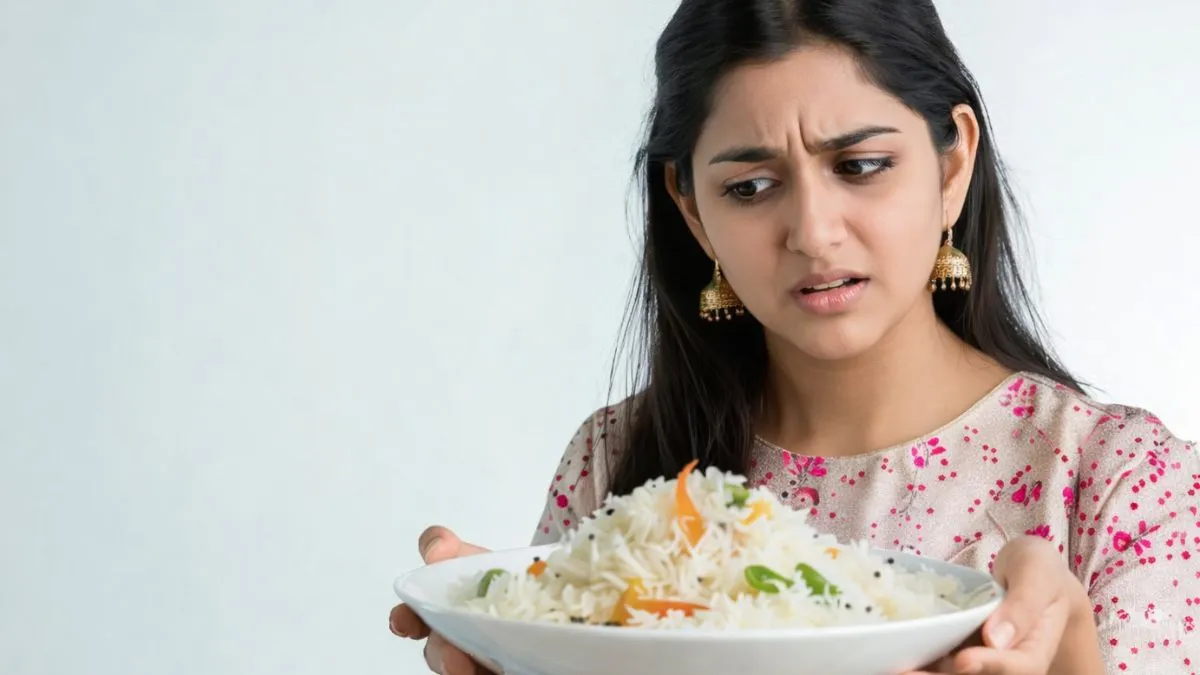
For years now, rice has been quietly blamed for India’s diabetes crisis. Every few months, it resurfaces as the dietary villain. Social media declares it toxic. Patients walk into clinics proudly announcing they’ve eliminated rice, and yet their blood sugar remains stubbornly high.
Dr Gagandeep Singh, MBBS, Founder of Redial Clinic and specialist in reversing diabetes, hypertension, obesity and PCOS without medication, says the focus is misplaced. “Rice was never the real problem. The real problem is what surrounds it,” he explains.
The issue isn’t rice, it’s the entire plate.
Look at a typical Indian meal: a large serving of rice or roti, a small bowl of dal, a vegetable dish cooked generously in oil, and sometimes a sweet to finish.
“The issue isn’t any single ingredient, it’s that the plate is overwhelmingly carbohydrate-dense with very little meaningful protein or healthy fat to slow glucose absorption,” says Dr Singh.
When he places patients on continuous glucose monitors, a clear pattern emerges.
“The same serving of rice produces vastly different glucose spikes depending on what’s eaten alongside it. Rice paired with adequate protein and vegetables leads to a significantly flatter glucose curve than rice eaten alone or with minimal protein.”
In other words, context matters more than the carb itself.
What’s really driving diabetes in Indian homes
Dr Singh points to three far more influential factors.
1. Chronic protein deficiency
“Most Indian adults consume barely 30–40 grams of protein daily when they need nearly double that,” he says. Muscle is the body’s primary glucose disposal system. When protein intake is low, muscle mass declines, and so does the body’s ability to handle blood sugar efficiently.
2. Sedentary lifestyles
Historically, carbohydrate-heavy diets were offset by physical labour. Today, desk jobs, long commutes and screen-heavy evenings have erased that balance. “Without muscle-building activity, glucose has nowhere efficient to go,” Dr Singh explains.
3. Disrupted meal timing
Constant snacking and late dinners keep insulin levels elevated throughout the day.
“When insulin never drops, the body never switches into fat-burning mode,” he notes. The issue isn’t just what we eat, it’s how often and how late.
What actually works
Instead of eliminating rice, restructure the meal.
Dr Singh recommends:
- Anchoring every meal with 25–30 grams of protein
- Eating protein and vegetables first, starches last
- Maintaining a 14–16-hour overnight fasting window
- Prioritising resistance training to build muscle mass
“Fix the plate, fix the pattern, and the rice takes care of itself,” he says.
Demonising rice is easy. It’s culturally central, visible and convenient to blame. But diabetes is a metabolic condition driven by muscle mass, insulin patterns, activity levels and meal composition. Rice isn’t the villain. The imbalance is.
When Indian households shift from carb-heavy plates to protein-anchored meals, without abandoning cultural staples, blood sugar control becomes not only possible, but sustainable.
Disclaimer: Tips and suggestions mentioned in the article are for general information purposes only and should not be construed as professional medical advice. Always consult your doctor or a dietician before starting any fitness programme or making any changes to your diet
Also read: Could your diabetes be impacting your hearing? US-based physician explains the risk
