
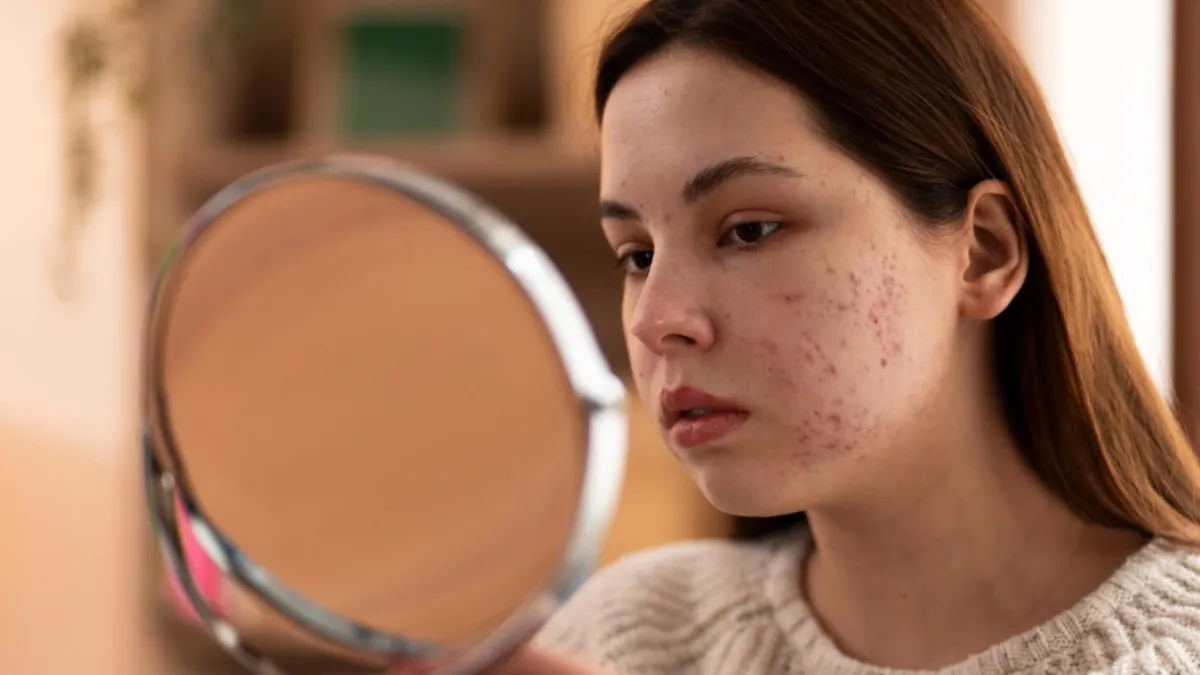
Once common only in adult women, PCOS is now more frequently observed in younger girls, even at the age of 13.
It’s not just about symptoms like pimples or irregular periods, because PCOS affects fertility, metabolic health, and self-confidence if it is not detected.
How Common Is PCOS?
A pooled analysis of Indian studies estimates PCOS prevalence among adolescents at around 17–18%. One South Indian study among 15- to 18-year-olds reported a rate of 9.1% incidence. Bengaluru research has also shown similar findings, with around 1 in 10 adolescent girls in Karnataka having hormonal imbalances. With adolescent obesity in India projected to grow by 9% per year by 2035, these numbers are also likely to increase over the coming years.
Why Is PCOS Rising Among Teens?
According to Dr Radha S Rao, Consultant - Obstetrics and Gynaecology, Manipal Hospital Kanakapura Road, various factors come into play, which are increasing the incidence of PCOS among teen girls. The rise of childhood obesity in India is directly fuelling the PCOS epidemic. Unless we address lifestyle early, we are setting up our girls for a lifetime of struggle with hormonal issues.
- Obesity and Insulin Resistance: Extra weight worsens hormonal imbalance.
- Changing Diets: Processed foods, sugary drinks, and fast food are taking the place of traditional nutrition-rich meals high in grains, vegetables, and legumes.
- Sedentary Lifestyles: Teens today have irregular sleep patterns and spend more time scrolling through their phones with very little outdoor activity.
- Family History: Genetics also plays a role in PCOS.
- Pubertal Timing: Early menarche and rapid shifts make teens vulnerable to hormonal disorders.
Early Recognition: Why is it Important?
Adolescence is tricky. Individuals brush off signs such as acne, weight changes, or irregular menses as normal adolescence, but recurrent irregular menses after more than 2 years since menarche, or facial hair and severe acne, should not be ignored. Early recognition of PCOS is very important because even the smallest changes can be very useful in improving the menstrual cycles and reducing long-term risks. These changes can be regular exercise, a 5 - 10% reduction in weight, and a balanced diet.
The Emotional Toll of PCOS
PCOS affects more than just your body; it brings a huge emotional toll to many young teens. Common issues can be low self-esteem, anxiety, and social withdrawal. Ignoring the problem or dismissing it as “moodiness” only deepens the stigma around the condition. Every irregular period in a teenager is not PCOS, but every irregular period deserves attention. Awareness and sensitive counselling can make all the difference.
What Can Be Done?
Parents, schools, and healthcare providers all have a part in this. Schools can direct students through nutrition and exercise, while parents can consider menstrual issues seriously and discuss them openly with their adolescent girls. Medical experts can utilise age-appropriate diagnostic criteria and act early with proper medications when PCOS is suspected.
Public health campaigns can also help in raising awareness of PCOS, along with menstrual hygiene. All of these can make a huge impact on transforming the lives of many young girls, from years of silent struggle to a confident, healthy adulthood.
Disclaimer: Tips and suggestions mentioned in the article are for general information purposes only and should not be construed as professional medical advice. Always consult your doctor or a dietician before starting any fitness programme or making any changes to your diet.
ALSO READ: Slipped disc symptoms, causes and prevention: What working professionals should know
