
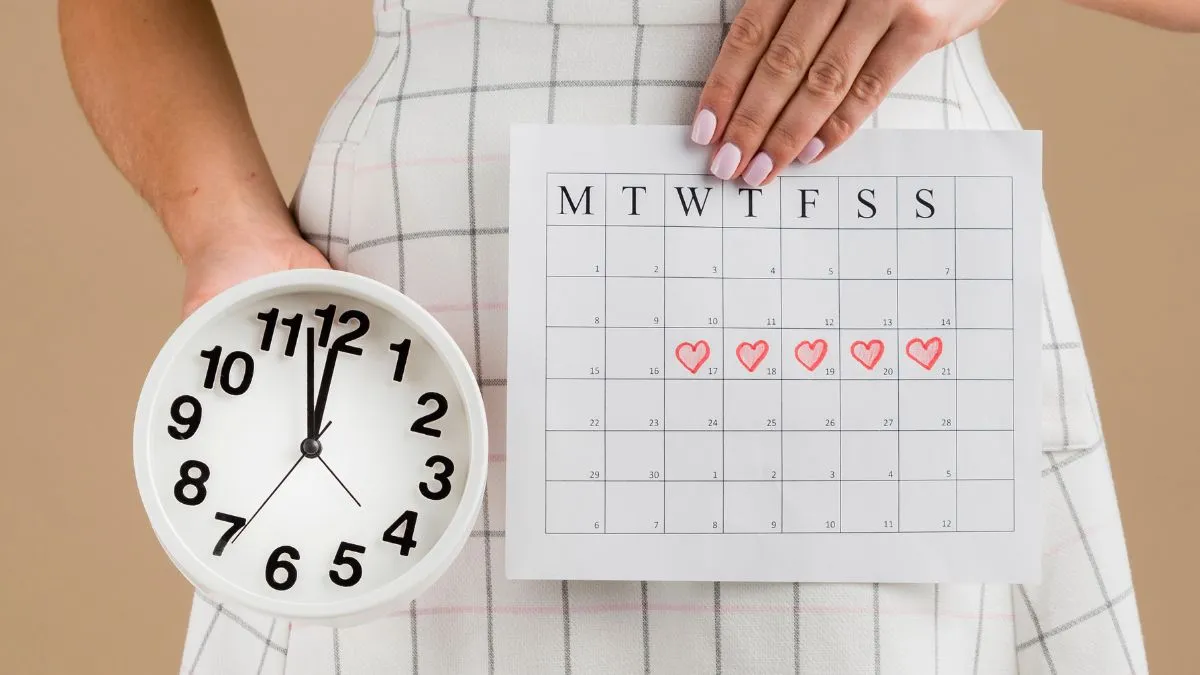
Trying to conceive can often feel overwhelming, especially with so much information around timing, cycles and fertility. But at its core, understanding ovulation and your fertile window is one of the simplest and most effective ways to improve your chances of pregnancy.
“Many women assume conception is about timing a single day, but it’s actually about understanding a window,” explains Dr Aruna Kalra, Senior Gynaecologist, Robotic Surgeon and Obstetrician at CK Birla Hospital, Gurugram. “Once you understand your body’s rhythm, the process becomes far less stressful and far more intuitive.”
What exactly is ovulation?
The release of an egg from one of your ovaries is referred to as ovulation. This process takes place approximately 12 to 14 days prior to the onset of the next menstrual cycle. It should be noted that ovulation will not take place at a consistent date in every month among women experiencing irregular menstruation cycles.
How long does the egg survive?
The life span of an egg after its release lasts only up to 12 to 24 hours. In contrast, sperm cells are capable of living within the female body for up to five days.
Understanding the fertile window
The fertile window consists of the five days preceding the day of ovulation and the day of ovulation itself. This is the period where there is the greatest probability for conception. Experts often advise that sexual intercourse be done on a daily basis within this time frame.
How to track ovulation naturally
Some of the basic methods that will help determine the period of ovulation include:
- Changes in the consistency of cervical fluid, which turns clearer and more stretchy
- The increase in basal body temperature after ovulation
- Using ovulation predictor kits that test for changes in hormones
Consistent monitoring of the above patterns will help determine your fertile days.
What can affect ovulation?
Fertility is affected by your lifestyle choices. Conditions like stress, sickness, travel, and a lack of regularity may affect your fertility cycle. Should you have tried conceiving for one year, or half a year should you be over the age of thirty-five, then see a physician.
Fertilization does not simply depend on timing alone. It depends on factors like your diet, sleep pattern, exercise, and stress levels. These aspects make up your general lifestyle which can affect hormone regulation.
Even though timing is crucial, it can sometimes be problematic, leading to stress and unnecessary worries. By regularly charting, understanding your body, and living a healthy life, you will be able to conceive confidently. But most importantly, do not forget about patience.
Also read: Understanding toxic shock syndrome: Are tampons safe during your periods?
Disclaimer: Tips and suggestions mentioned in the article are for general information purposes only and should not be construed as professional medical advice.
