
Every year, dengue quietly returns with the rains and changing weather, and most people still treat it like “just another fever”. A little weakness, some body pain, a few days of rest. Done. Except that dengue does not always stay that simple.
On National Dengue Day, observed on May 16, doctors are once again urging people to stop underestimating the mosquito-borne illness. According to Dr Amol Jaybhaye, Consultant – Infectious Diseases, Narayana Health SRCC Children’s Hospital, Mumbai, dengue can worsen surprisingly fast and, in some cases, even become life-threatening if ignored.
Dengue is not just a normal fever
“Dengue is often believed to be just another fever that you can get over with some rest and paracetamol. But it is not just any fever, it is much more serious,” said Dr Amol Jaybhaye.
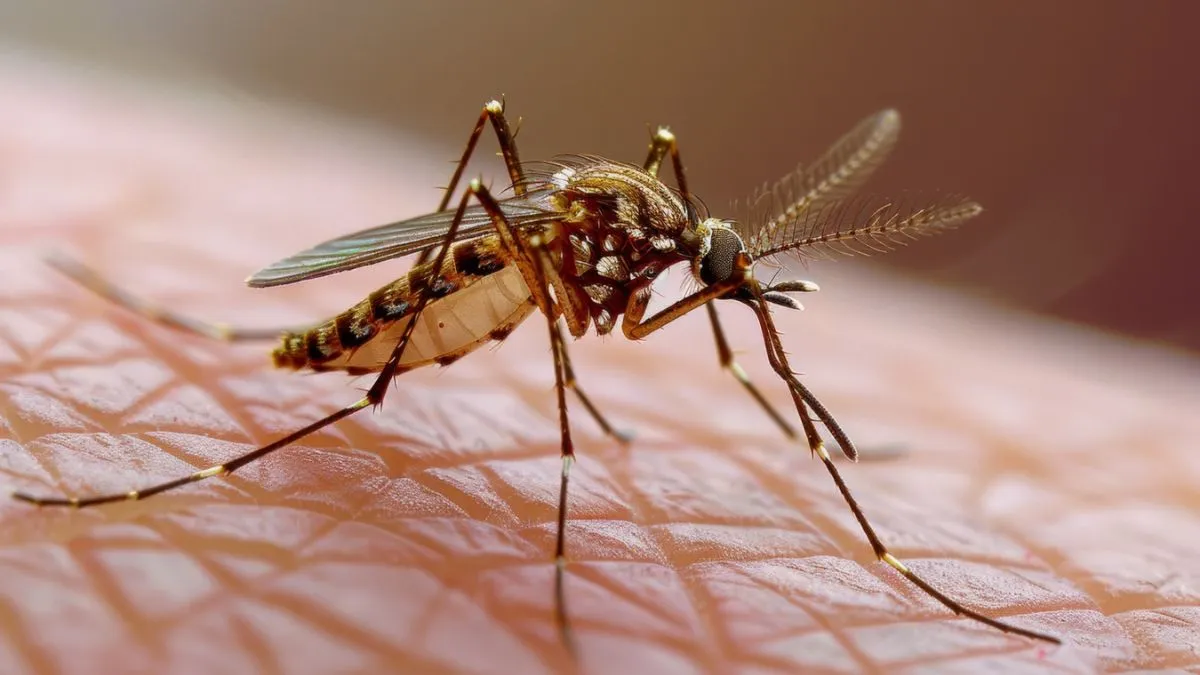
Dengue is caused by the Aedes mosquito and spreads through the bite of an infected mosquito. While many cases begin with fever and body pain, the illness can sometimes escalate into dehydration, breathing trouble, liver complications, bleeding problems and a sudden drop in platelet count.
“In some cases it can even cause shock syndrome,” the doctor warned.
According to him, the illness can become especially dangerous for children, elderly people, pregnant women and those already dealing with existing health conditions.
“What makes dengue so dangerous is how fast it can worsen,” he explained.
Warning signs people often ignore
Doctors say one of the biggest problems with dengue is delayed treatment.
Many people ignore early symptoms thinking the fever will disappear on its own after a day or two. But certain warning signs should never be brushed aside.
Dr Jaybhaye said symptoms such as repeated vomiting, inability to eat properly, stomach pain, extreme weakness, bleeding gums and breathing difficulty may point towards worsening dengue.
“Most assume a fever and all the associated symptoms will fade on their own and avoid medical consultation until things take a turn for the worse,” he said.
Another issue doctors frequently notice is self-medication.
People often begin taking over-the-counter medicines for pain, nausea or fever without proper consultation. According to experts, this can become risky if platelet counts begin dropping rapidly or if bleeding complications start developing.
“If the affected person has any bleeding, it can get worse when dengue is not treated immediately,” Dr Jaybhaye explained.
He also stressed that dengue management is not only about monitoring platelet counts.
“It is about treating all symptoms and ensuring the patient feels better sooner rather than later. It is about getting proper medical care at the earliest,” he said.
Hydration, regular monitoring, blood tests and medicines prescribed by doctors all play a major role in recovery.
Why prevention matters the most
Since there is still no specific medicine that completely cures dengue, doctors say prevention remains the strongest defence.
“The best way to fight dengue is actually through prevention,” said Dr Jaybhaye.
Mosquitoes that spread dengue often breed in stagnant water found inside coolers, flower pots, buckets, terraces, construction sites and even small water collections around homes.
“These are the best places for mosquitoes to breed,” the doctor explained.
Health experts recommend regularly cleaning stagnant water, changing water in flower vases, using mosquito repellents and wearing clothes that cover arms and legs properly.
They also advise people to keep balconies, terraces and surrounding streets free from standing water, especially during monsoon months.
“With constant changes in the weather and fast urbanisation, dengue poses a big challenge in several parts of the country almost throughout the year, but peaks during monsoon months June-November,” Dr Jaybhaye said.
He added that awareness, early diagnosis and community-level cleanliness efforts can significantly reduce dengue cases and save lives.
“Dengue is not simply just another fever,” he said.
Disclaimer: Tips and suggestions mentioned in the article are for general information purposes only and should not be construed as professional medical advice.
ALSO READ: Dengue fever: Doctor shares why more adults are now landing in ICUs with the mosquito-borne disease
