
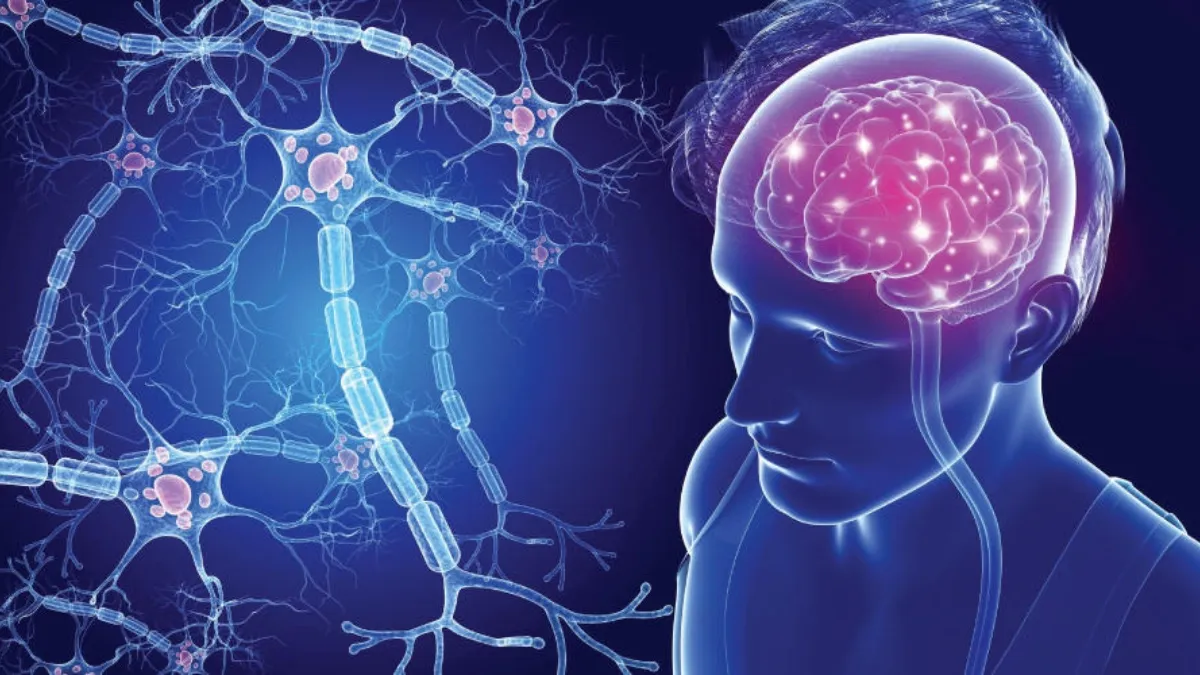
Multiple Sclerosis (MS) is a complex, chronic illness in which your immune system attacks the central nervous system—that is, your brain and spinal cord. Imagine your nerve fibres as electric wires and myelin as the covering around them. In MS, this covering is destroyed. If myelin is damaged, the messages between your brain and the rest of your body can't get through. This leads to a wide array of issues, impacting how you move, think, and even how you feel emotionally. MS is a serious health problem that a lot of individuals in India and their families are silently experiencing.
MS is sometimes referred to as an invisible illness, but for people with MS, the obstacles are constant and personal, from unpredictable symptoms like motor impairment, cognitive decline, blurry vision, and bowel and bladder dysfunction to emotional, social, and financial burdens. Based on the Multiple Sclerosis Society of India (MSSI), there are lakhs of individuals who have MS in India, but the number could be more because the condition is underreported, sometimes misdiagnosed, and not well known. The majority of individuals impacted by MS in India are between 20 and 40 years old, which poses a critical issue among the working population, adversely impacting their economic productivity. Women are two to three times more likely to be impacted by MS, which surmounts their fears of conceiving, parenting, and the ability to care for a child.
Understanding the symptoms
According to Dr M. Netravathi from NIMHANS, Bengaluru, symptoms of MS are quite unpredictable and vary with the site and degree of nerve damage. They may change over time and vary from physical and sensory to thought and psychiatric problems.
- Physical symptoms like numbness in the limbs
- Visual abnormalities like blurred or double vision, and occasional partial or total loss of vision
- Motor impairments such as poor coordination, unsteady gait, stiffness of muscles, and tremors
- Sensory abnormalities like tingling or electric-shock sensations
- Fatigue, which may increase with heat, is one of the most common symptoms
- Cognitive issues such as memory loss, poor concentration, and mood swings
In India, the range of initial symptoms, which are sporadic, combined with a lack of awareness tends to cause a delay in diagnosis and treatment.
Advances in Treatment and Management
Although MS is incurable, treatment has come a long way in terms of managing the disease and improving the quality of life. In India, access to disease-modifying therapies (DMTs) has increased. Newer therapies decrease the frequency of relapses and slow down the progression of the disease, having the potential to halt disability.
Although there have been tremendous advances in the treatment landscape of multiple sclerosis over the past 2 decades, with many treatment options for relapsing multiple sclerosis, there are limited choices for primary progressive multiple sclerosis, and there is a critical need for therapies that can effectively impede disability progression. Despite seemingly stable clinical symptoms, individuals with all forms of MS encounter underlying disease activity, marked by inflammation in the nervous system and irreversible loss of nerve cells in the brain.
In addition to the availability of innovative treatments, a multidisciplinary management approach is needed to effectively combat MS; integrating physiotherapy, counselling, and nutrition is becoming more widespread in facilitating long-term management of the condition while aiming to preserve the patient’s quality of life.
The age of "one-size-fits-all" treatment is over. With new technologies such as genetic testing and molecular profiling, MS treatment is increasingly adopting precision medicine. The future lies in precision medicine—combining clinical data, imaging, and molecular profiling to optimise outcomes while minimising side effects.
Early intervention is the key to achieving the best treatment outcomes
Early diagnosis of MS is crucial to avoid long-term disability and enhance the quality of life. Early treatment, particularly with disease-modifying drugs, can effectively help manage the course of the disease and decrease the frequency of relapses. But in India, there is poor awareness and access to neurologists, especially in smaller towns, resulting in delayed or missed diagnosis. Informing general physicians and the community at large about early warning signs, such as sudden vision disturbances (optic neuritis), numbness, or balance problems, can be crucial in early detection and establishing early referral pathways. Initiating treatment at the earliest stages with a therapy that addresses progression and not just relapses becomes imperative to safeguard the physical and mental capabilities of individuals with MS.
ALSO READ: World Multiple Sclerosis Day 2025: 5 tips to manage the condition better, according to experts
