
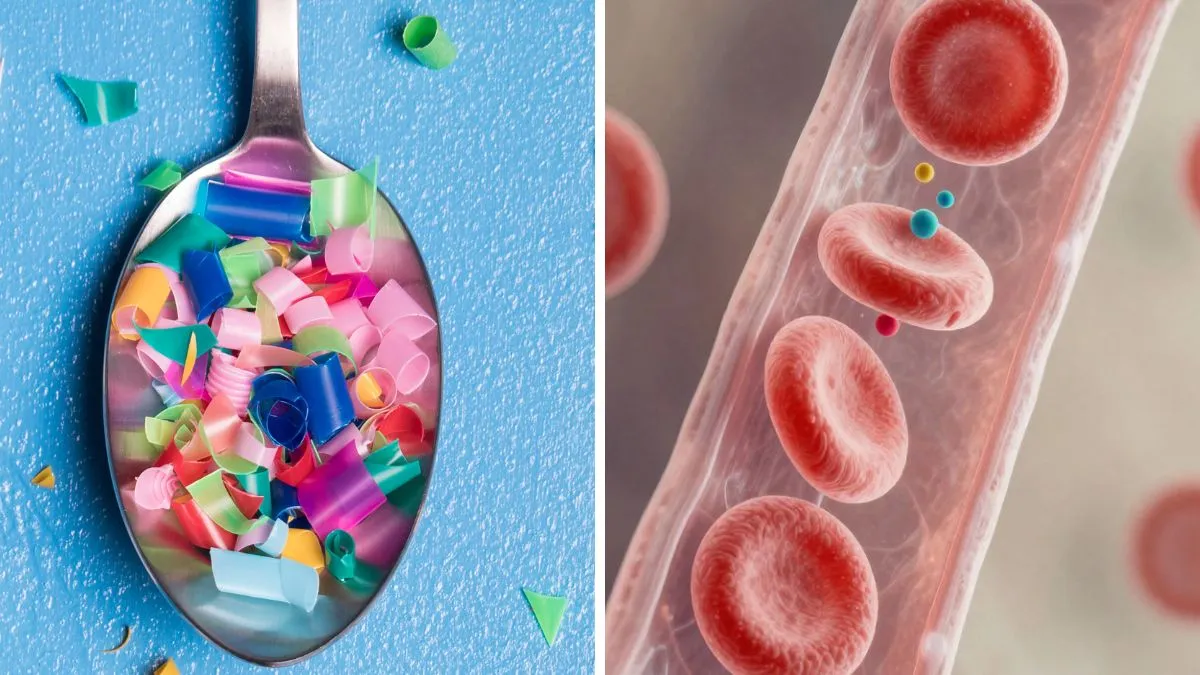
Microplastics had, for a long time, been considered a problem for the environment. That perception is changing fast. These tiny plastic particles are now being detected inside the human body, including in the bloodstream. And once the conversation shifts from the environment to our arteries, concern feels far more personal.
According to Dr Amit Khandelwal, Director & HOD – Cardiology – Paras Health Udaipur, the discovery has prompted doctors to look beyond pollution and begin asking health-focused questions. “Microplastics were never meant to be inside the human body,” he says. “When we start finding them in blood and blood vessels, it naturally raises concerns about inflammation, circulation and long-term heart health.”
How do microplastics enter the body?
Microplastics are created when larger plastic products slowly break down. They are present in packaged food, bottled water, synthetic clothing fibres, household dust and even the air we breathe. Over time, these particles are inhaled or ingested without us realising it. Recent studies have confirmed the presence of microplastics in human blood samples. More concerningly, some research has also detected these particles in arterial plaques, fatty deposits that narrow blood vessels.
“This tells us that microplastics are not just passing through the body,” Dr Amit explains. “They are capable of crossing biological barriers and remaining within the circulatory system.”
Why heart health is part of the discussion
The concern, doctors say, is not that microplastics act like a direct toxin, but that they behave as foreign particles inside the body.
“When any foreign material enters the bloodstream, the immune system responds,” Dr Amit says. “This response often involves inflammation. Chronic inflammation is already a known contributor to heart disease, stroke and vascular damage.”
Early studies suggest that people with microplastics present in arterial plaques may have a higher risk of cardiovascular events compared to those without. While this does not prove causation, it highlights a possible link that cannot be ignored.
“In people who already have risk factors like high blood pressure, diabetes, smoking or obesity, microplastics could act as an additional stressor on the heart and blood vessels,” he adds.
What doctors are being careful not to claim
Medical experts are clear that this is an emerging area of research. There is no evidence yet to say that microplastics alone cause heart disease.
“This is not about panic,” Dr Amit stresses. “It’s about awareness. Just like air pollution or sedentary lifestyles, microplastic exposure may be one of several factors that influence cardiovascular health over time.”
The bigger concern lies in long-term, cumulative exposure, small amounts entering the body daily over years, combined with other lifestyle and environmental risks.
Can you reduce everyday exposure?
Completely avoiding microplastics is not feasible; however, the problem of microplastic contamination can be minimised. According to medical practitioners, the following steps may be helpful: using steel or glass containers instead of plastic containers, not using plastic containers for reheating food, preferring unprocessed foods over those contained in plastic packaging, and ensuring proper ventilation in the house. “Reducing exposure is important,” says Dr Amit, “but equally important is strengthening the body’s resilience.”
Regular physical activity, balanced nutrition, adequate sleep and stress control all help reduce inflammation and protect blood vessels, regardless of environmental exposures.
The presence of microplastics in the bloodstream is a reminder of how closely modern lifestyles are tied to health. What started as an environmental issue has quietly become a human one.
Research is still evolving, but experts agree that this is an area worth paying attention to. Awareness, not fear, is the healthiest response. As Dr Amit puts it, “Understanding emerging risks allows us to make better choices, both for our bodies and for the environment we live in.” Sometimes, the smallest particles raise the biggest questions.
Disclaimer: Tips and suggestions mentioned in the article are for general information purposes only and should not be construed as professional medical advice. Always consult your doctor or a dietician before starting any fitness programme or making any changes to your diet
Also read: Why blood becomes thicker in cold weather, a Delhi neurologist explains
