
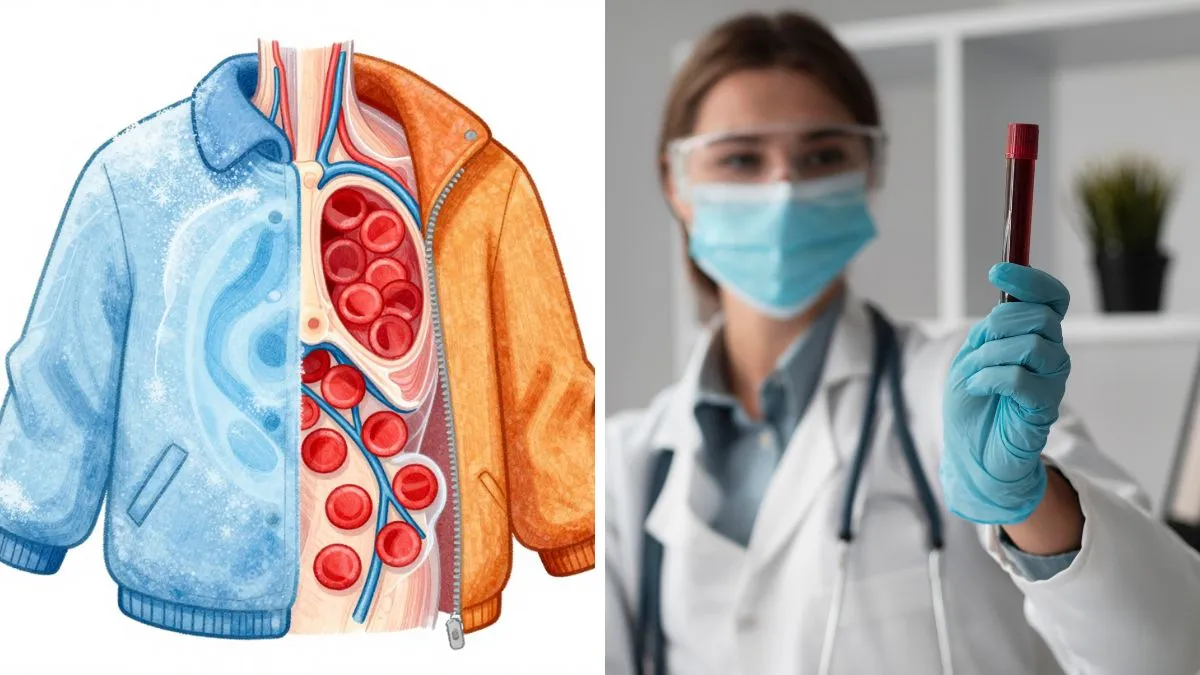
Cold weather quietly changes how our bodies function, including the way our blood flows. According to Dr Madhukar Bhardwaj, Director and Head of Neurology at Aakash Healthcare, winter triggers several physiological responses that together make blood thicker and more prone to clotting, increasing risks for the heart and brain.
“This is one of the reasons we see a seasonal rise in strokes and heart-related emergencies during winter,” Dr Bhardwaj explains. It is important to understand what really changes in our bodies during the winter season to protect ourselves better.
How cold temperatures slow blood flow
One of the body’s first responses to cold is vasoconstriction. Blood vessels, especially those close to the skin, narrow to reduce heat loss and preserve core body temperature. While this mechanism is protective, it also slows blood flow. “When vessels constrict, blood moves more slowly, and resistance increases,” Dr Bhardwaj says. “This directly raises blood viscosity, making circulation less efficient and placing additional strain on the heart.”
Dehydration plays a bigger role than we realise
Winter dehydration is often overlooked. Cold weather dulls the thirst response, so people tend to drink less water without noticing. At the same time, cold-induced diuresis causes the body to produce more urine as blood shifts away from the skin toward vital organs. The loss of fluid leads to a reduction in plasma volume, which is the fluid portion of blood.Consequently, the concentration of red blood cells, platelets, as well as clotting factors in the blood increases due to the reduction in volume; thus, the blood becomes thicker, predisposing an individual to clotting.
Seasonal variations of blood constituents
Research has indicated that the levels of some clotting proteins, such as fibrinogen, increase during the colder months of the year. Fibrinogen is one of the critical components of clot formation in blood. It also accounts for the thickness of blood to a great extent.“When fibrinogen levels increase, blood becomes stickier,” Dr Bhardwaj explains.
Stress hormones and platelet activation
Cold exposure activates the sympathetic nervous system, leading to the release of stress hormones such as adrenaline and noradrenaline. These hormones increase heart rate and blood pressure and make platelets more reactive. More active platelets are more likely to clump together, raising the chances of clot formation, a concern that is especially serious for people with hypertension, diabetes, high cholesterol or existing heart disease.
Less movement, slower circulation
Winter often brings reduced physical activity . There will be less movement to promote blood flow, especially when it comes to the legs. This will contribute to blood pooling and stagnation. Vasoconstriction and dehydration will then occur, together with blood stagnation, to make blood more concentrated and less fluid.
“This combination significantly increases clot risk in vulnerable individuals,” Dr Bhardwaj notes.
Why is thicker blood dangerous
Thicker blood forces the heart to work harder and increases the likelihood of clots blocking critical vessels. The brain and heart are particularly sensitive, as they rely on uninterrupted blood flow.
Even a small clot or reduction in circulation can have serious, sometimes life-threatening, consequences, which is why winter is often linked to a spike in cardiovascular emergencies.
How to reduce the risk in winter
Dr Bhardwaj advises simple but effective preventive steps:
- Drink fluids regularly, even without feeling thirsty
- Stay warm to limit excessive vasoconstriction
- Maintain daily physical activity to support circulation
- Avoid prolonged sitting, especially in cold environments
“Winter care isn’t just about warmth,” he says. “Hydration, movement and awareness play a crucial role in protecting heart and brain health.”
Disclaimer: Tips and suggestions mentioned in the article are for general information purposes only and should not be construed as professional medical advice. Always consult your doctor or a dietician before starting any fitness programme or making any changes to your diet.
