
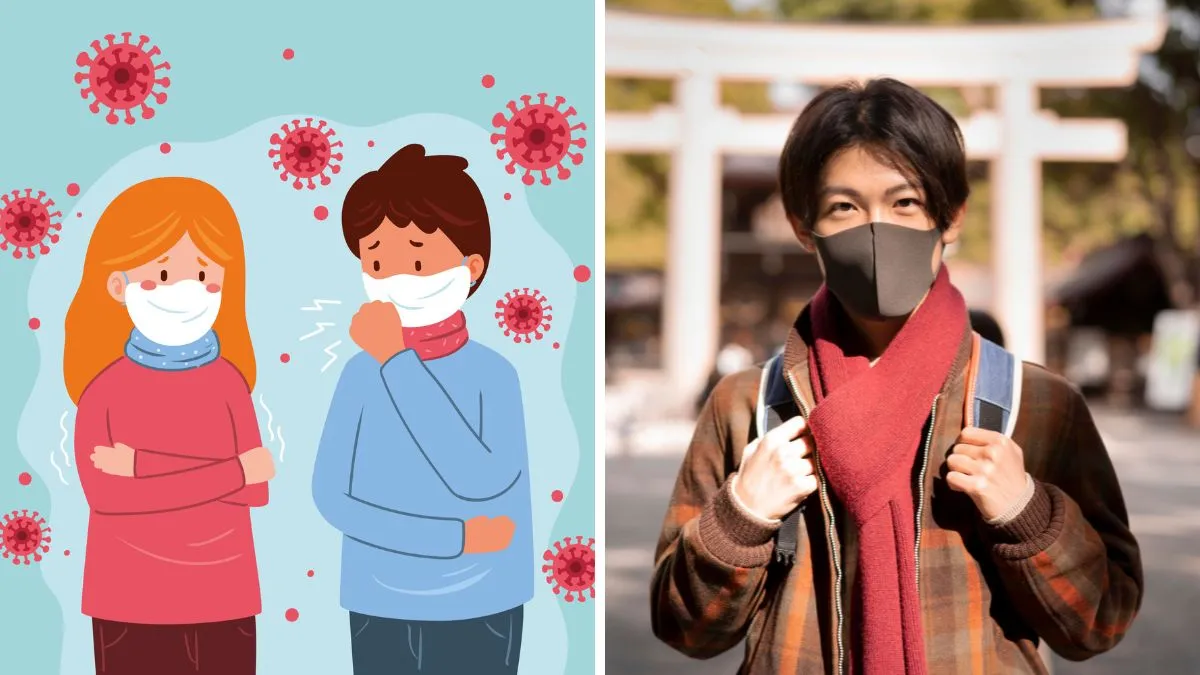
Japan has officially declared a nationwide influenza epidemic, after a sudden and early surge in flu cases sent over 4,000 people to hospitals and shut down dozens of schools. Experts say the outbreak has arrived five weeks earlier than usual, signalling a shift in how the virus is spreading across Asia.
The country’s health ministry has urged citizens to get vaccinated as doctors warn that this early rise could stretch hospital systems. While it’s a seasonal flu outbreak, not a new pandemic, its scale and timing raise a red flag for other countries, including India, as the region enters the cooler months when respiratory infections tend to rise.
What’s driving Japan’s flu surge?
Doctors in Japan believe this year’s outbreak has been worsened by several factors: a stronger strain of the flu virus, fluctuating immunity due to years of reduced exposure during the COVID years, and erratic weather patterns that favour viral transmission.
Another factor is reduced vaccination coverage. After the pandemic, many people became less consistent with annual flu shots, allowing the virus to circulate more easily.
Could this turn into a pandemic?
Not at the moment. This is a seasonal influenza epidemic, caused mainly by the familiar H3N2 strain. However, scientists say it’s a wake-up call. The rapid and virulent spread underscores the rapidity with which flu viruses mutate, and why ongoing surveillance and immunization are still crucial.
What it means for India?
In India, flu cases are growing consistently, especially in northern and eastern regions. Physicians already report more H3N2 cases, in addition to more prolonged cough, exhaustion, and high temperature. In contrast to Japan's sharp winter season of flu, India's warm climate offers no consistent season for flu to attack, except usually during October to February.
Why it matters: India has a lower vaccination rate against influenza compared to many countries. Increased travel and close indoor interactions during festival times mean India needs to intensify preventive vaccination campaigns and public awareness campaigns, experts say.
How to stay safe this flu season?
1. Get vaccinated early
The flu shot remains the most effective defence, especially for seniors, children, pregnant women, and those with diabetes, heart, or respiratory conditions.
2. Stay home if you’re unwell
Even a mild fever or cough can transmit infection. Take a break, rest, and wear a mask if you need to step out.
3. Improve ventilation and hygiene.
Keep windows open when possible, wash hands frequently, and disinfect surfaces during high-traffic festive gatherings.
4. Stay hydrated and nourished
A strong immune system is your best protection. Consume fruits, vegetables, and vitamin C-rich foods.
5. Seek medical help early
Antiviral drugs work best within the first 48 hours of symptom onset. Don’t ignore symptoms that worsen or linger.
The flu wave in Japan serves as an early warning for the rest of Asia. It's a reminder that flu viruses are shifting their patterns and early readiness is life-saving. With travel and climatic changes eliminating the old-time flu seasons, India needs to make flu vaccination a normal annual health ritual and not an optional practice. The message is clear: vaccinate, rest, and recover responsibly. Flu may be ubiquitous, but with awareness and action, it doesn't have to be deadly.
Also read: H3N2 flu Delhi: Doctor explains how humidity, air quality, and flooding fuel the spread
Disclaimer: Tips and suggestions mentioned in the article are for general information purposes only and should not be construed as professional medical advice. Always consult your doctor or a dietician before starting any fitness programme or making any changes to your diet
