
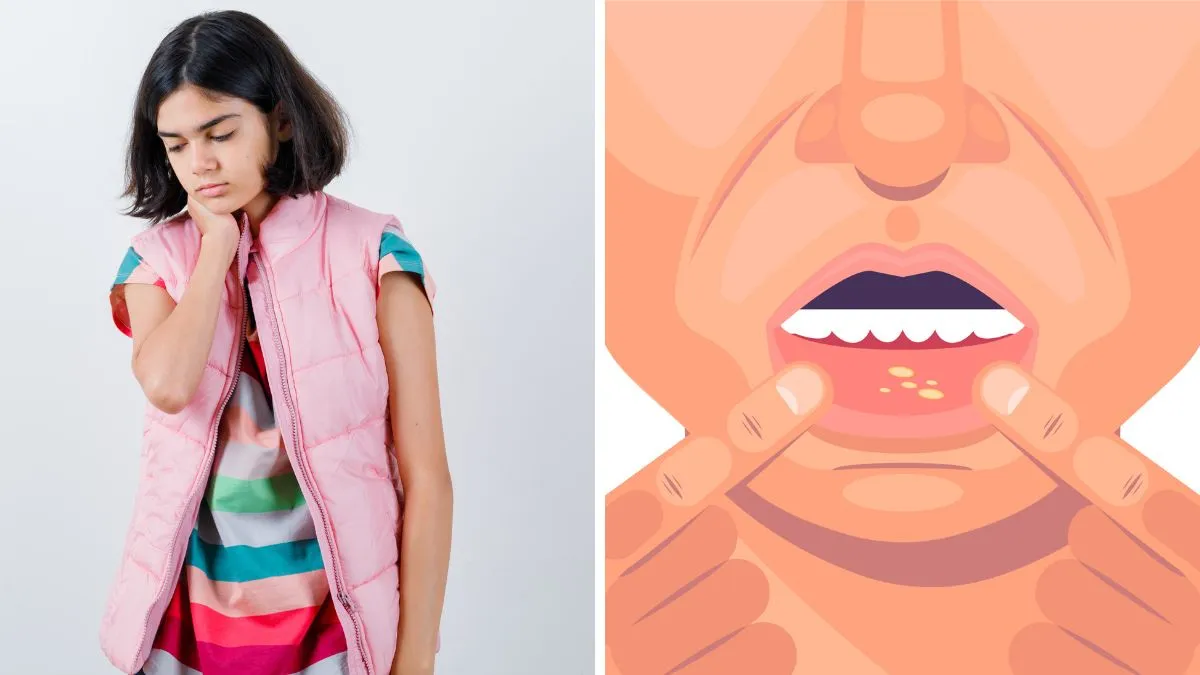
Delhi NCR is seeing a noticeable surge in Hand, Foot and Mouth Disease (HFMD) in children. Though normally a mild viral infection, this recent outbreak has had parents in a tizzy and schools on the lookout.
The disease is primarily spread by Coxsackievirus A16 and Enterovirus 71, both of which transmit easily by airborne respiratory droplets, saliva, faeces, or fomites.
We spoke with Dr Sameer Punia, Sr. Consultant, Paediatrics Intensivist, Aakash Healthcare, for preventive tips. Because kids congregate in classrooms, play areas and daycare facilities, HFMD rapidly spreads, particularly during the monsoon season, when lapses in hygiene become the rule. Here's what the medical professional had to say:
Symptoms parents need to look out for
HFMD starts quietly, so early detection is crucial.
- Mild fever, loss of appetite, lethargy.
- Blisters or mouth sores (after 1–2 days of fever).
- Rash of red spots or blisters on buttocks, feet, and hands.
- Irritability from discomfort during drinking or eating.
These symptoms typically occur within 3–6 days of exposure. Although most kids get through this without problem, the sores in the mouth can make it challenging to hydrate, something parents should be watching closely.
Preventive measures as advised by the doctor
The most effective defence against HFMD is rigorous hygiene. Parents and care providers must:
- Frequently wash your hands with soap and water, particularly after using the toilet and before eating.
- Cleanse toys, surfaces, and communal objects regularly.
- Isolate children from the sick.
- Refuse to send a child to school or daycare until the fever has abated for 24 hours and the mouth sores have resolved.
When to seek medical care
It is common for most HFMD cases to subside in a week to 10 days on their own. But seek a doctor right away if your child experiences:
- Long-lasting high fever
- Severe pain in the mouth that results in decreased fluid intake
- Abnormal sleepiness or sudden worsening of the general condition
- Early treatment prevents dehydration and complications.
Outlook and advice for parents
Delhi NCR health authorities are keeping a close watch on the outbreak and advising schools and parents. Dr Sameer Punia emphasises that vigil and preventive measures will help curb HFMD's spread.
The majority of children recover fully with home treatment, but parents are advised to:
Stay updated
- Practice high levels of hygiene at home.
- Report early in case of symptoms and keep infected children under isolation until they recover.
Through early notice and preventive measures, households can prevent HFMD from spreading in the community.
Disclaimer: Tips and suggestions mentioned in the article are for general information purposes only and should not be construed as professional medical advice. Always consult your doctor or a dietician before starting any fitness programme or making any changes to your diet.
