
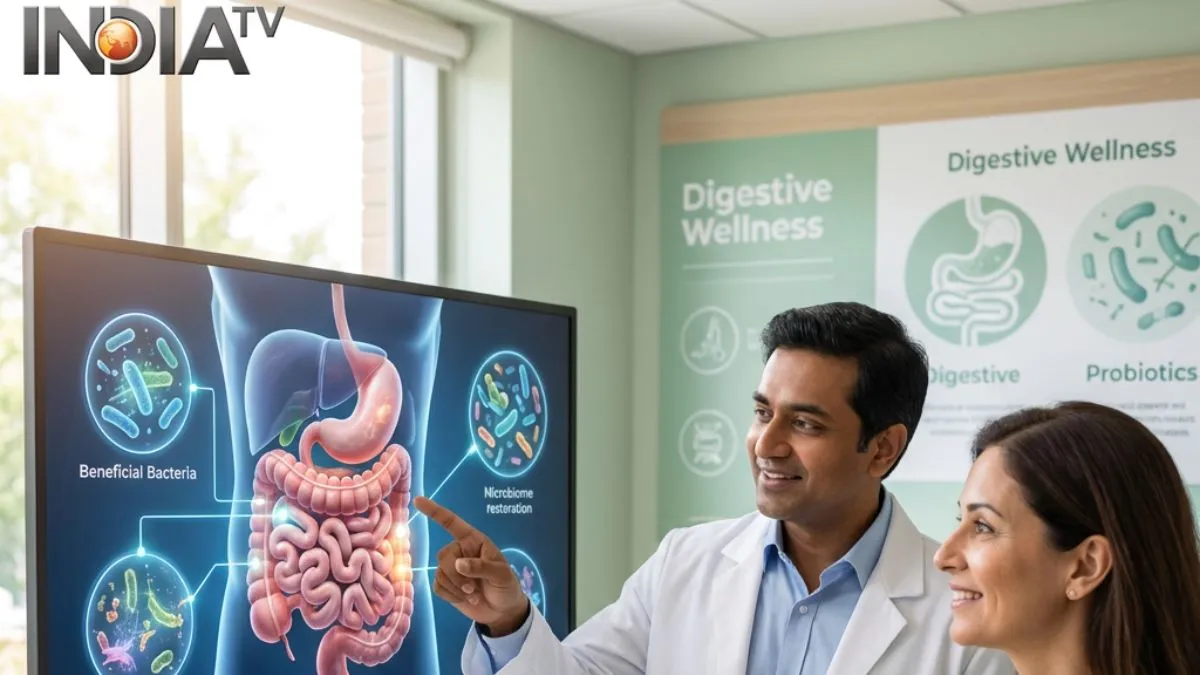
While many think that gut wellness is solely linked to one’s digestive process, healthcare professionals believe that there is more to it when it comes to one’s general state of wellness. Our digestive systems have trillions of microorganisms that affect everything from our immune responses to metabolism and our mental well-being as well. When there is an imbalance here, it is known as gut dysbiosis.
According to Dr Pradeep Mahajan, Regenerative Medicine Researcher and Founder of StemRx Hospital, this imbalance may play a major role in Inflammatory Bowel Disease (IBD), a condition marked by chronic inflammation of the gastrointestinal tract. “IBD is not just a digestive disorder; it is a complex immune-mediated condition driven by chronic inflammation of the gastrointestinal tract,” Dr Mahajan explained.
Why gut microbiome balance matters
Experts say a healthy gut generally maintains a balance of beneficial bacteria alongside other microbes that help the body function normally. When harmful bacteria begin overpowering healthy microbes, inflammation and digestive disruption may increase. Dr Mahajan explained that a disturbed microbial environment can contribute to symptoms such as abdominal pain, diarrhoea, bloating, fatigue, nutrient deficiencies and reduced quality of life.
Inflammation and imbalance in the gut can also contribute to psychological well-being. According to the specialist, most IBD sufferers experience stress, anxiety and brain fog because of inflammation and imbalance in the gut-brain axis.
Why some treatments may not address the root cause
Conventional IBD treatments often focus on suppressing symptoms and controlling inflammation. However, experts say some therapies may not fully restore the damaged gut environment itself. “Antibiotics kill harmful bacteria but can also wash out important microbes, creating an imbalance that becomes worse,” Dr Mahajan said.
This is why many regenerative medicine specialists are now exploring therapies that aim to naturally rebuild the gut microbiome instead of only suppressing symptoms temporarily.
What is Fecal Microbiota Transplantation (FMT)?
Among these emerging treatments, one is the Fecal Microbiota Transplantation. FMT involves transplanting healthy gut bacteria harvested from pre-screened donors into the gut of the patients. This aims to promote bacterial balance in the body. As explained by Dr Mahajan, FMT can assist in alleviating inflammatory conditions of the gut, promoting digestion, and restoring mucosal lining. The FMT is considered an ideal therapy for health problems caused by bacterial imbalance in the body, like ulcerative colitis, irritable bowel syndrome, and leaky gut syndrome.
It must be noted, however, that the process of FMT must always be done with utmost precaution.
How hydrocolon therapy and probiotics may help
Dr Mahajan also highlighted hydro colon therapy as a supportive gut-cleansing technique that uses warm filtered water to remove waste and harmful microorganisms from the colon. According to him, this may help prepare the gut environment before microbiome restoration therapies. At StemRx, gut restoration treatments combine FMT, probiotics, personalised nutrition plans and regenerative medicine techniques to support long-term digestive health.
Why IBD treatment may be evolving
Experts believe IBD management is gradually shifting from symptom suppression towards more holistic restoration-based approaches. “True healing requires more than symptom control; it demands restoration at a cellular and microbial level,” Dr Mahajan explained.
While more research continues globally around microbiome therapies, doctors say growing awareness around gut health may help patients better understand the connection between digestive balance, immunity and long-term wellbeing.
Also read: Heat stroke symptoms: Doctor explains when should you visit a doctor for heat stroke?
