
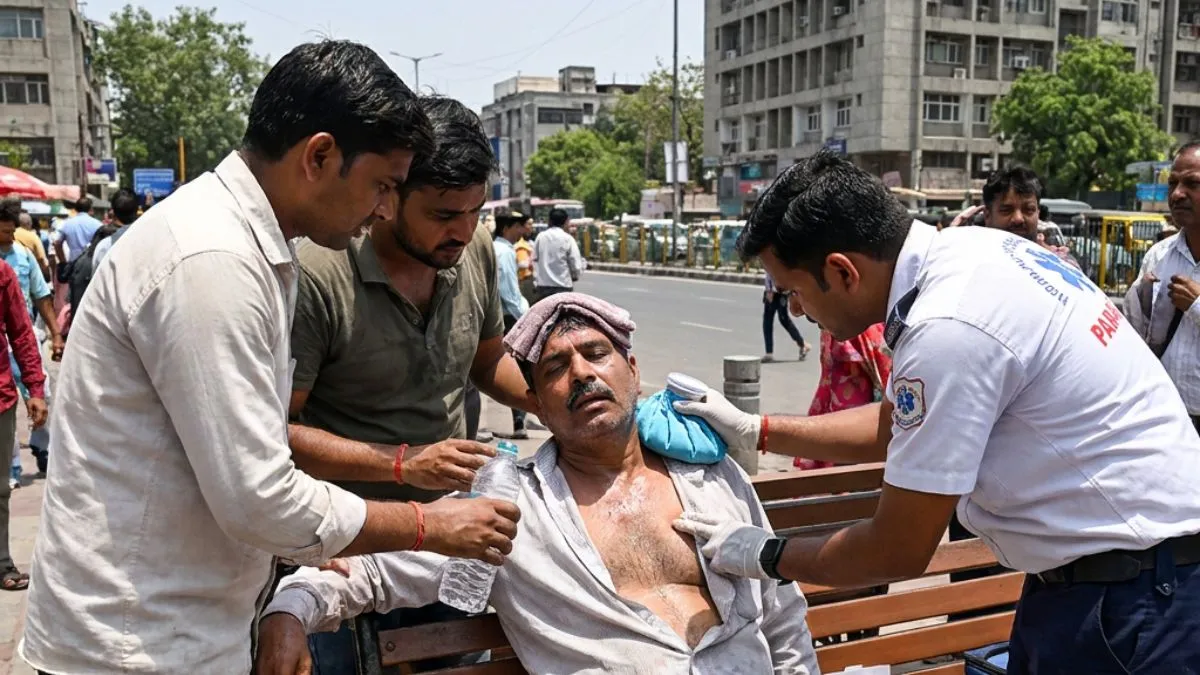
As temperatures continue rising across many parts of the country, doctors are warning people to take heat-related illnesses seriously before they become life-threatening. In a recent Instagram video, Dr Ashutosh Tiwari, Senior Consultant (Critical Care), explained the early warning signs of heat stroke and shared important first-aid advice people should know during extreme summer weather.
“Today, we will discuss a topic that is highly relevant to the upcoming season and requires our utmost attention. In medical terms, we call this a heat stroke, commonly known as loo lagna,” Dr Tiwari said in the video.
Early symptoms of heat exhaustion people often ignore
According to the doctor, rising temperatures are already leading to increasing cases of heat exhaustion and heat-related illness. He explained that symptoms such as fainting, lethargy, body pain, headaches, nausea and vomiting may all indicate serious heat stress on the body.
“If you check the temperature of such a patient, it often exceeds 40°C (104°F). The heart rate can also become very fast,” Dr Tiwari explained.
He warned that without timely treatment, the condition can gradually worsen and may eventually lead to unconsciousness or delirium.
Why sweating and urination become important danger signs
One of the most critical signs doctors observe in suspected heat stroke cases is whether the person is still sweating normally.
“The most important thing to observe is whether the person is sweating or not,” Dr Tiwari said.
According to him, if a patient becomes semi-conscious, stops sweating and experiences reduced urination, it may indicate that the illness has progressed into severe heat stroke. This stage requires immediate medical attention because the body is no longer regulating temperature properly.
Doctor shares important first-aid steps
Dr Tiwari advised that the first response during suspected heat stroke should always involve moving the person to a cooler place immediately. Excess clothing should be removed and cooling methods such as cold water compresses or cool airflow should be used.
“What should be done in such a situation? First and foremost, move the person to a cooler area and remove any excess clothing,” he explained.
The doctor also warned people against forcing fluids or food into the mouth of an unconscious person.
“If the patient is unconscious or unresponsive, never try to feed them or give them fluids by mouth. It can go directly into their lungs or block the airway,” he cautioned.
When to visit a doctor immediately
According to Dr Tiwari, if symptoms do not improve after basic first aid, immediate medical help becomes essential. Delaying treatment in severe heat stroke cases can become dangerous very quickly.
Doctors also advise staying hydrated, avoiding direct sun exposure during peak afternoon hours and recognising early warning signs before the condition escalates. As heatwaves become more frequent, experts say awareness around heat stroke symptoms can help save lives.
