
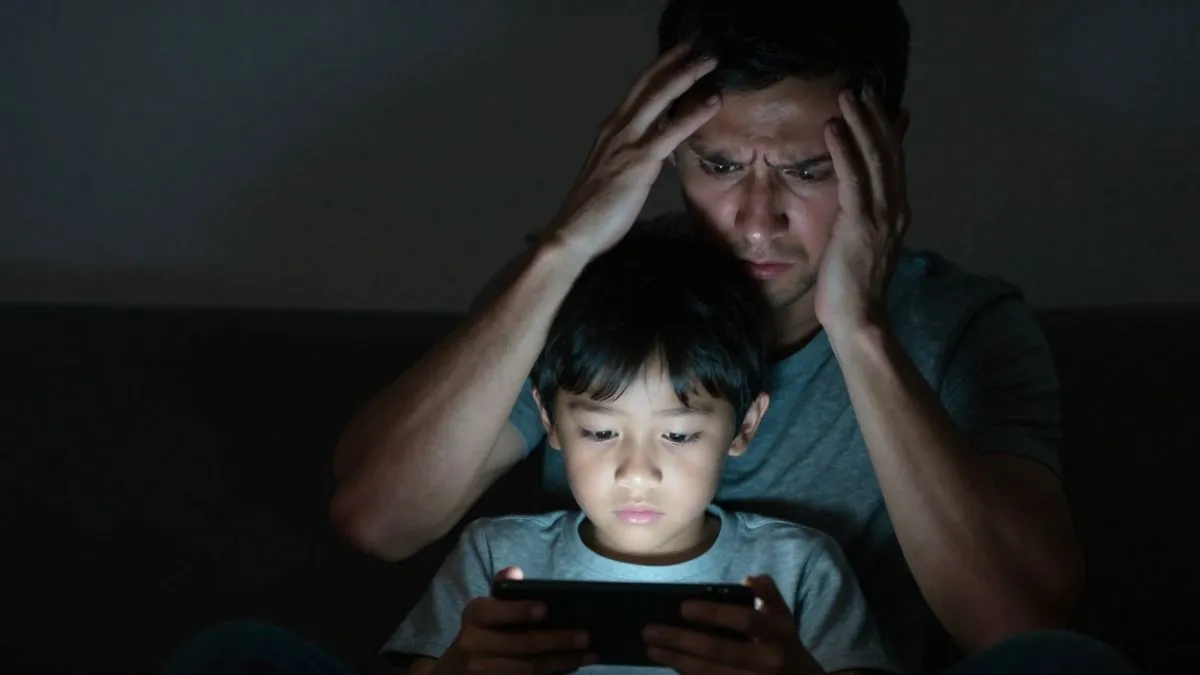
The tragic deaths of three minor sisters in Ghaziabad have once again pushed a difficult conversation into the spotlight. While investigations are ongoing, reports suggesting a link to an online gaming challenge have left parents across India anxious, confused and searching for answers.
Gaming, by itself, is not the villain. But mental health experts warn that excessive, uncontrolled gaming can cross a dangerous line, especially for children and adolescents, and when it does, it is no longer just a “phase”. It is a recognised mental health condition.
Gaming addiction is officially recognised and that matters
According to Dr Dharmendra Singh, MD (Neuropsychiatry), Ex-AIIMS and Director of Disha Neuropsychiatry Centre, gaming addiction is not a social media buzzword; it is formally recognised by global medical bodies.
“Gaming disorder is included in both DSM-5 and ICD-11. That alone tells us this is not casual overuse, it is a diagnosable condition,” he explains.
In simple terms, this means excessive gaming can affect brain chemistry in ways similar to substance addiction, triggering cycles of craving, withdrawal and loss of control.
The first red flag parents often miss
One of the earliest and most common signs is preoccupation.
Not enjoyment, obsession.
“If a child is constantly thinking about gaming, planning when they can play next, or watching gaming videos even when they’re not playing, it’s a warning sign,” says Dr Singh.
Children may begin staying up late, playing secretly at night, or becoming unusually defensive when asked to put the phone away. What looks like stubbornness is often withdrawal.
Irritability, aggression and emotional withdrawal
When access to gaming is restricted, behavioural changes can be sudden and intense. “Taking away the phone can lead to irritability, anger, even verbal aggression. In severe cases, families have reported violence,” Dr Singh notes.
Emotionally, children may seem distant, anxious or low. Social interactions shrink. Outdoor play disappears. School performance drops. Gaming becomes the only source of relief and escape.
It’s not just children; adults are vulnerable too
While most conversations focus on teenagers, experts warn that adults are increasingly affected as well.
“Adults with gaming addiction often prioritise gaming over work, relationships and sleep. Jobs suffer, marriages strain, and mental health declines,” says Dr Singh.
The common thread, across age groups, is loss of control, continuing to play despite negative consequences.
When does gaming become a disorder?
Clinically, doctors look for a pattern. “If five or more criteria like withdrawal, tolerance, failed attempts to quit, loss of interest in other activities and functional impairment are present, it is considered a gaming disorder,” Dr Singh explains.
The good news? Early intervention works, very well.
What parents can do, without panic
This is not about banning devices overnight or demonising games. It’s about balance, boundaries and dialogue.
Experts recommend:
- Setting screen-time limits collaboratively, not punitively
- Encouraging offline routines, sports, hobbies, and family time
- Watching for mood and sleep changes
- Seeking professional help early, without shame
“The earlier families seek support, the better the outcomes. Gaming addiction is treatable,” Dr Singh emphasises.
A conversation India cannot afford to avoid
The Ghaziabad tragedy is a devastating reminder that digital lives have real-world consequences. Awareness, not alarmism, is the way forward, especially in homes with young children navigating an online world far more intense than any generation before them.
Gaming doesn’t need to be feared. But addiction needs to be recognised and addressed.
(Disclaimer: This article does not intend to promote, encourage, or sensationalise self-harm or suicide in any form. If you or someone you know is experiencing emotional distress, suicidal thoughts, or a mental health crisis, please seek immediate professional help. In India, you can contact AASRA (24/7): 91-9820466726 or reach out to a trusted mental health professional, doctor, or local emergency services.)
Also read: Ghaziabad horror: Three minor sisters jump to death from 9th floor over deadly online game craze
