
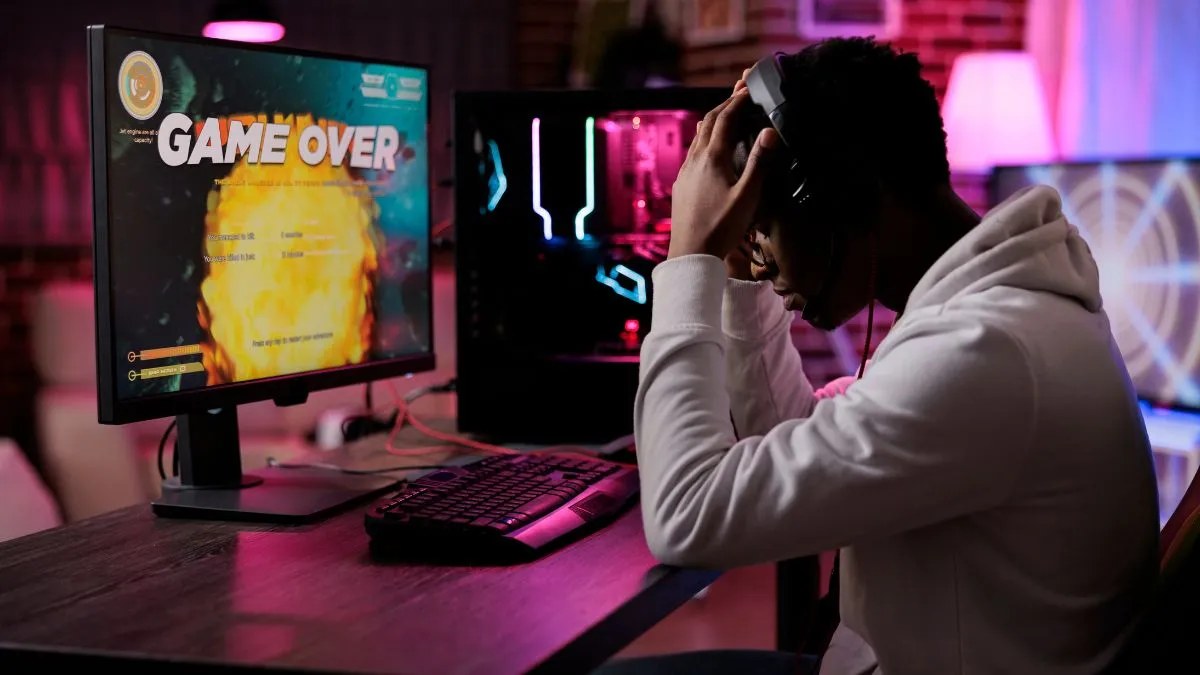
From mobile phones to gaming consoles, screens are now a part of a child’s life. What once started as a harmless way to relax has slowly turned into hours of uninterrupted gameplay for many young users. Across India, parents are increasingly concerned as homework gets delayed, sleep shrinks, and outdoor play disappears.
Dr Kunal Bahrani, Chairman and Group Director, Neurology at Yatharth Hospitals, says the issue is not gaming itself, but the lack of balance. “Gaming is not inherently harmful. The concern begins when it starts replacing essential developmental activities like sleep, study, physical play and real-world social interaction.”
Why is gaming addiction rising
The surge in gaming addiction is closely linked to accessibility. Smartphones are widely available, internet plans are affordable and multiplayer platforms connect children instantly. “Today’s games are designed to maximise engagement. Reward systems, competitive levels and visual stimulation activate the brain’s dopamine pathways, making children want to keep playing,” explains Dr Bahrani. For many children, gaming becomes more than entertainment; it becomes an escape.
“Children dealing with academic pressure, loneliness or boredom often turn to gaming because it provides immediate gratification and a sense of achievement that may feel harder to attain in real life.” Over time, this virtual reward cycle can become habit-forming.
Early signs parents should watch for
- The first symptoms of addiction include:
- Irritable when asked to stop gaming
- Giving gaming priority over studies and meals
- Loss of interest in other hobbies and outdoor activities
“Parents may observe a decline in academic performance, mood swings, withdrawal from social activities, or even secrecy about screen use,” explains Dr Bahrani.
Physical symptoms such as headaches, eye strain, and fatigue are also experienced. Staying up late to play games disturbs the sleep patterns, which in turn affects concentration and moods the following day.
How gaming affects the developing brain
Excessive gaming impacts more than daily routine. “When gaming becomes compulsive, it can interfere with attention span, impulse control and emotional regulation,” Dr Bahrani notes. “Children’s brains are still developing, and prolonged overstimulation can alter behaviour patterns.”
This does not mean occasional gaming is dangerous. The risk lies in frequency, duration and emotional dependence.
How parents can prevent gaming addiction
Prevention is about structure, not punishment. “Strict bans often backfire. Guidance, consistency and involvement are far more effective,” advises Dr Bahrani. Practical steps include:
- Setting realistic screen-time limits
- Keeping devices out of bedrooms
- Establishing device-free meal times
- Encouraging sports, music or creative hobbies
- Open communication matters just as much as rules
“Talk to your child about what they are playing. Understand the appeal. When parents show interest instead of judgment, children are more likely to cooperate.” Leading by example is equally important. If adults are constantly on their phones, enforcing boundaries becomes difficult.
When to seek professional help
If gaming begins to severely affect behaviour, academic performance or emotional stability, professional guidance may be necessary. “Early intervention from a paediatrician, neurologist or counsellor can prevent long-term psychological impact,” Dr Bahrani says. Timely action can help restore balance before patterns become deeply ingrained.
Technology is here to stay. Gaming, when balanced, can even enhance cognitive skills and strategic thinking. The goal is not elimination but moderation. With awareness, involvement and consistent boundaries, parents can ensure that screens remain a source of entertainment, not addiction.
Also read: 7 warning signs of cancer in children parents should never ignore
