
Covid-19 has not disappeared. It has just become quieter, almost sitting in the background. Cases are low in many places, but the virus is still evolving. Slowly, and sometimes in ways that are not immediately obvious.
One such example is BA.3.2, a newer Omicron offshoot that scientists have nicknamed “Cicada”. It is not causing alarm right now, but it is being watched closely. Not because it is dangerous, more because it is behaving a little differently.
Cicada variant has been around longer than expected
The Cicada variant is not exactly new. It comes from a branch of Omicron that showed up earlier, then more or less disappeared from the picture. For quite some time, it did not seem to do much at all.
Then it surfaced again in late 2024, carrying a noticeably high number of mutations. The current thinking is that it may have developed gradually during a long-term infection, staying under the radar before reappearing.
Even with these changes, it has not really taken off. It has been detected across multiple countries and regions, but the spread remains fairly limited. Nothing close to the large waves seen before.
Why the Cicada variant is not raising major concern
Despite the mutations, there is no clear link to more severe illness. Existing immunity, whether from vaccines or past infections, still seems to be doing its job reasonably well.
There has also been no visible spike in hospital admissions or deaths tied to this variant. Some experts even suggest it may not be significant enough to require any immediate updates to vaccines.
Another detail that stands out is how it interacts with the body. It does not appear to bind as strongly to human cells, which could be one reason why it is not spreading as aggressively as other variants have in the past.
Cicada variant and children: What scientists are noticing
One pattern that has caught attention is its behaviour in children.
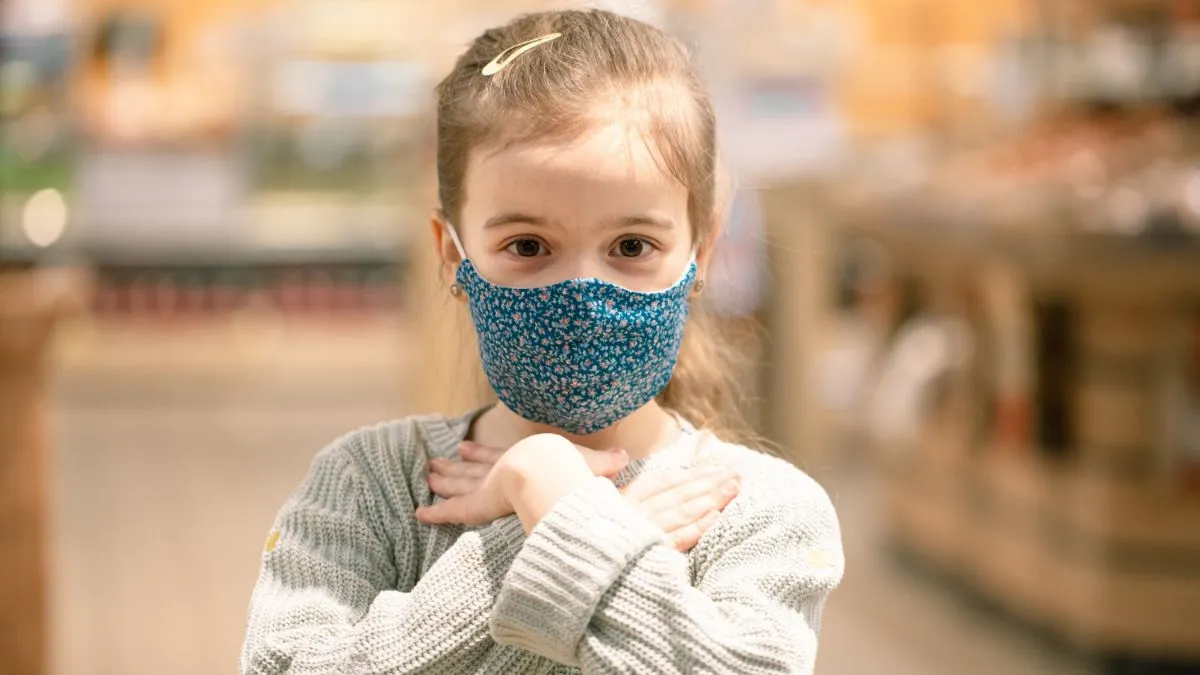
Early observations suggest that the Cicada variant may infect children, particularly those between 3 and 15 years old, more easily than adults. That is a shift from earlier phases of the pandemic, where older groups were more affected.
There is no single explanation yet. It could be linked to lower levels of built-up immunity in children, or simply the higher exposure they have in schools and shared environments. Some researchers also think certain changes in the virus might help it slip past parts of the immune response more easily.
What the Cicada variant means going forward
At the moment, the Cicada variant is not driving any major surge in cases. In a few regions, it even showed a brief rise before easing off again.
Still, it is being monitored. Not urgently, but carefully. Variants like this help scientists understand how the virus is adapting over time, even when the changes do not lead to immediate impact.
For now, things remain fairly stable. The virus continues to evolve, but not always in ways that translate into bigger outbreaks. And that, quietly, is where things stand.
ALSO READ: ‘Cicada’ Covid variant BA.3.2: Do vaccines still protect against it? Doctor explains
