
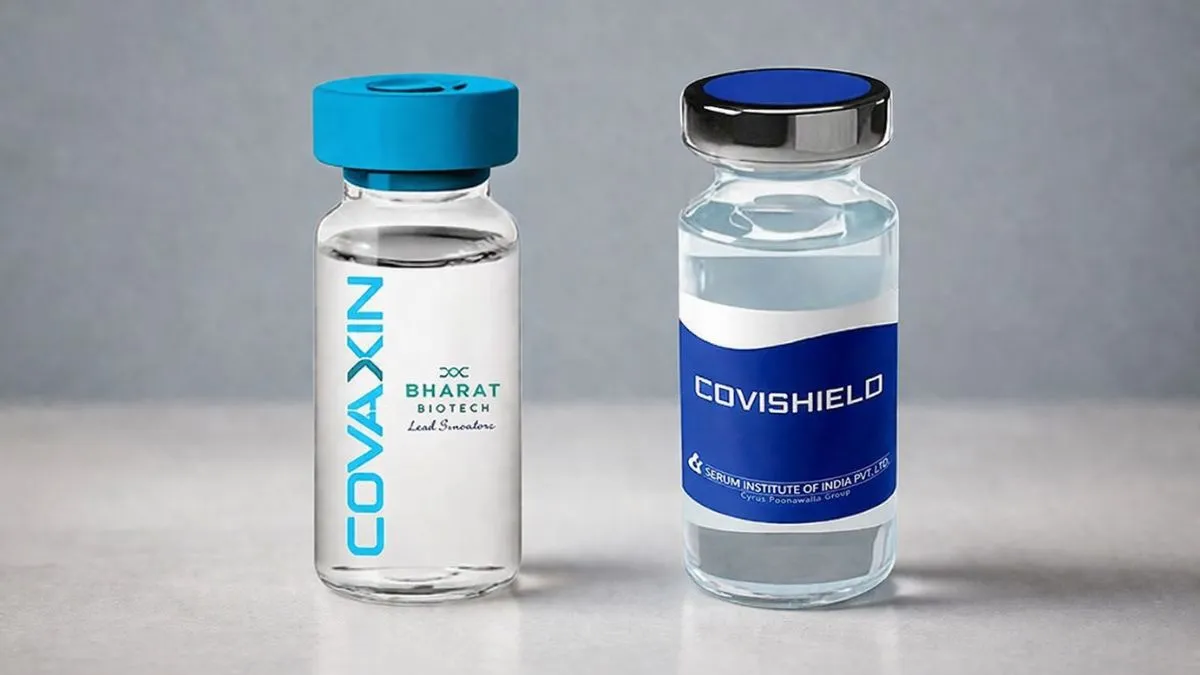
A new Covid-19 subvariant, BA.3.2, also being referred to as the “Cicada” variant, is starting to show up in different parts of the world, including the United States. It is not triggering panic right now, but it is enough to bring back a familiar set of questions.
The biggest one is pretty simple. Do vaccines still work? Dr Akshay Budhraja, Senior Consultant and HOD, Respiratory and Sleep Medicine at Aakash Healthcare, breaks it down without overcomplicating things. The short answer is yes. But there is a bit more to it.
Do vaccines still protect against ‘Cicada’ Covid variant BA.3.2?
“Vaccines still protect very well against severe illness, hospitalisation and death,” Dr Akshay said.
Even if newer variants manage to get past some level of immunity, it does not mean the body is unprepared. “The vaccine helps your body respond faster and reduces complications,” he added.
Boosters also come into play here, especially for people who fall into higher-risk categories.
How severe is the ‘Cicada’ Covid variant BA.3.2?
There is a pattern that has been seen with newer variants. They tend to spread more easily, but that does not always mean they are more dangerous.
“We are seeing that newer variants spread more easily, but they do not always make people sicker, especially if they are vaccinated,” Dr Akshay explained.
He also pointed out that severity depends on more than just the variant. “How unwell someone gets depends on age, existing health conditions and how strong their immunity is,” he said.
Symptoms of new ‘Cicada’ Covid variant BA.3.2
Symptoms have not changed drastically, but they can feel milder for some people now. Almost like a regular cold in certain cases.
Dr Akshay said to watch out for:
- Fever
- Sore throat
- Cough
- Fatigue
- Body aches
- Blocked nose
He also noted that loss of taste or smell, which used to be more common earlier, may not appear as often now.
When should you get tested or seek medical help?
Testing still matters, especially in certain situations.
“You should get tested if you have symptoms, if you have been exposed, or if you are going to meet someone at high risk,” he said.
As for medical help, timing matters.
“If symptoms worsen, like breathing difficulty, chest pain or low oxygen levels, do not wait, see a doctor,” Dr Akshay added.
This becomes more important for older adults and people with underlying health conditions.
Do you need to change daily precautions?
Not really. The basics are still doing most of the work.
“Simple steps like hand hygiene, covering your mouth when coughing and avoiding crowded indoor spaces can lower your risk,” Dr Akshay said.
He also mentioned that wearing a mask in high-risk settings and staying updated with vaccines continues to be useful.
Disclaimer: Tips and suggestions mentioned in the article are for general information purposes only and should not be construed as professional medical advice.
