
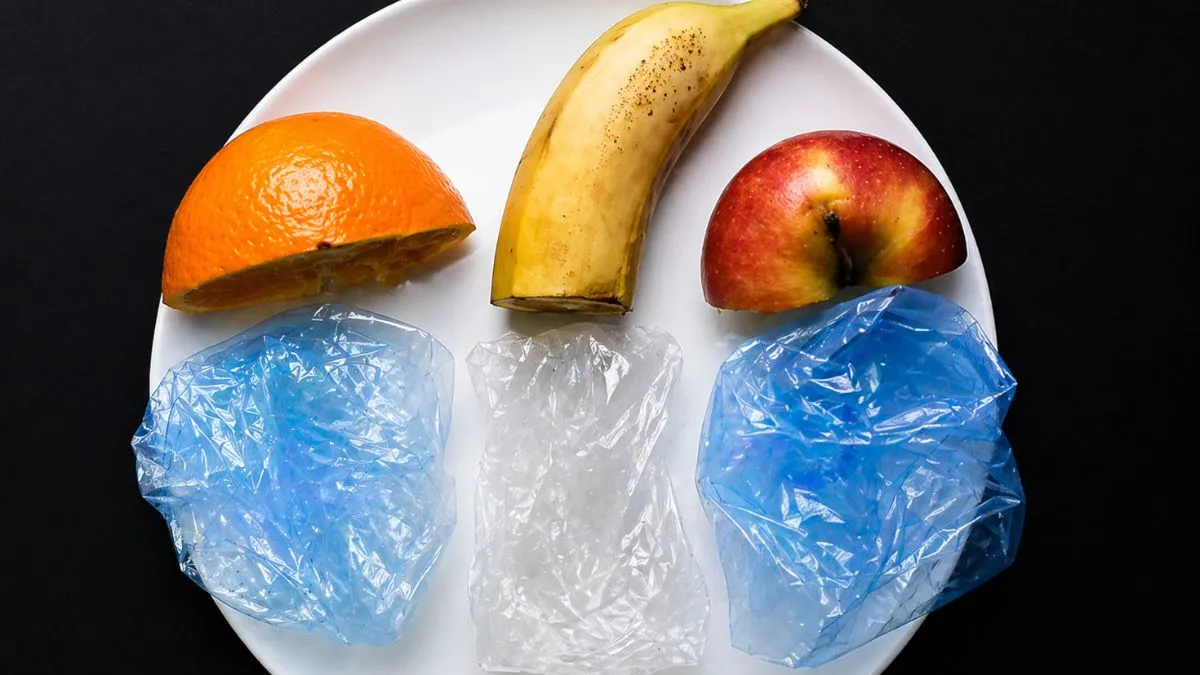
Every few months, the internet throws up a trend that feels unusual enough to grab attention. The latest one emerging from parts of China’s digital space is being called the “plastic-eating” craze.
Despite the name, it doesn’t involve eating actual plastic. Instead, it reflects a growing fascination with ultra-processed foods that look, feel, or even behave like synthetic materials. At first glance, it seems harmless. Maybe even quirky. But experts say it points to something deeper.
“When food begins to resemble something artificial, it is worth questioning how far it has moved from its natural state,” says Dr Partap Chauhan, Ayurvedacharya and Founder-Director of Jiva Ayurveda.
What this trend really reflects
The appeal of these foods isn’t just taste. It’s texture, novelty, and visual curiosity.
However, this transition from naturally occurring food experiences to engineered ones might come at a price.
In Ayurveda, the human body is programmed to digest food in its most natural state. The greater the level of processing, the more difficult it becomes for the body to react effectively to it.
Why it’s difficult to digest ultra-processed foods
Ultra-processed foods usually go through several processes. Although this enhances their shelf life and uniformity, it makes them less natural. This affects the digestive process in a negative way.
“When digestion weakens, toxins or ama begin to accumulate, affecting not just physical health but also energy levels and mental clarity,” explains Dr Chauhan.
The effects may not be immediate, but over time, they show up as:
- Sluggish digestion
- Fatigue
- Irregular appetite
- Increased cravings
How your body reacts
One of the biggest concerns isn’t what goes into these foods, but how the body processes them. Artificial textures, excessive additives, and long shelf lives often signal a lack of prana, or life force, in food.
“The body recognises and responds best to what is natural. The more we move away from that, the harder it becomes to maintain balance,” says Dr Chauhan.
When curiosity becomes habit
Trends often start as experiments. But repeated exposure can slowly turn them into everyday choices. That’s where the risk lies. Because the body doesn’t respond to trends. It responds to consistency.
Why simple food still works best
In contrast, fresh, minimally processed food supports digestion, energy, and overall balance. It may not look as exciting on social media. But it aligns better with what your body actually needs. “Simple, balanced meals support digestion far more effectively than novelty foods ever can,” Dr Chauhan adds.
The “plastic-eating” trend may sound extreme, but it highlights a growing shift towards highly processed, artificial food experiences.
And while curiosity is natural, what we eat consistently matters more. Because in the long run, it’s not the trend that shapes your health.
Also read: Delhi heatwave alert: Why you feel so exhausted in this heat
Disclaimer: Tips and suggestions mentioned in the article are for general information purposes only and should not be construed as professional medical advice.
