
A fresh outbreak of chikungunya cases in various districts of Tamil Nadu has prompted the state's health department to sound an alert. The health authorities have warned that the seasonal conditions are most congenial for mosquito breeding and fast transmission.
The Directorate of Public Health and Preventive Medicine has flagged the rising infections in Chennai, Villupuram, Tenkasi, Theni, Cuddalore, Chengalpattu, Kancheepuram and Ariyalur, asking hospitals, laboratories and local bodies to scale up surveillance and intensify mosquito-control operations. Although rarely fatal, chikungunya necessitates early detection, supportive care, and aggressive vector control to prevent outbreaks, according to the World Health Organization (WHO).
What is chikungunya
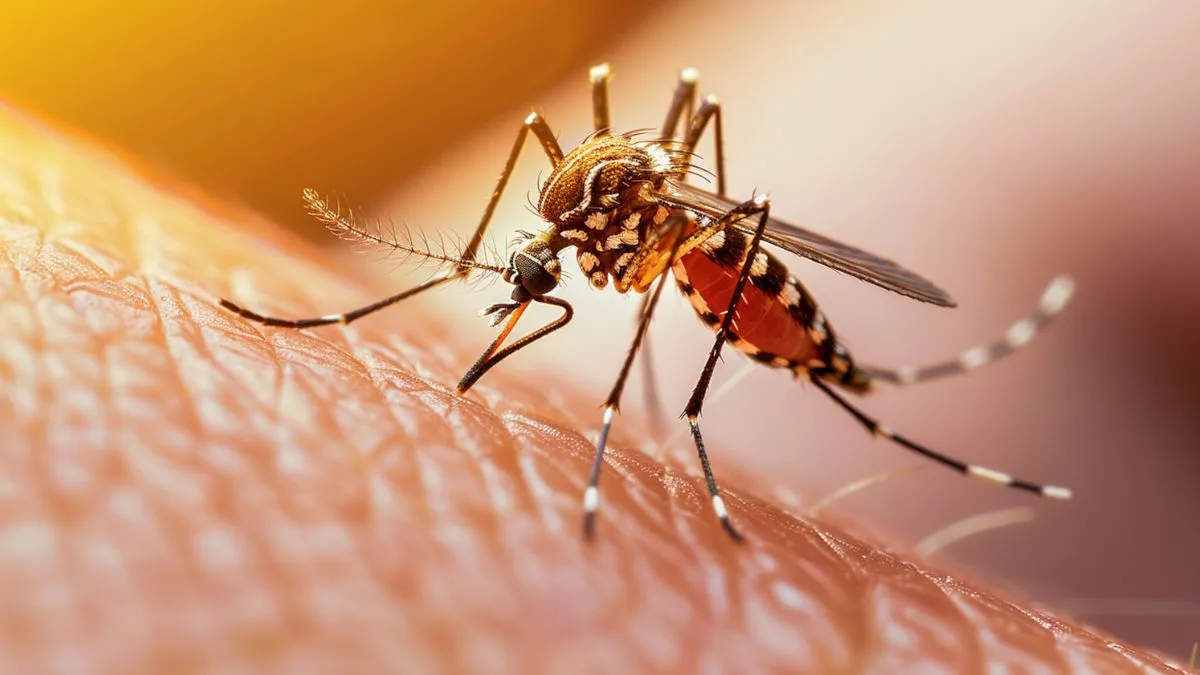
Chikungunya is described by the WHO as a viral disease that is transmitted to human beings by the bite of infected Aedes mosquitoes, specifically Aedes aegypti and Aedes albopictus, which transmit chikungunya infections in addition to dengue and Zika. These mosquitoes are aggressive daytime biters and thrive in clean, stagnant water that is usually found in domestic containers, coolers, used tyres, and flowerpots. This makes urban and semi-urban areas particularly vulnerable during and after monsoon periods.
Key symptoms of chikungunya
The most common symptoms include:
- High fever
- Severe joint pain, often affecting hands, wrists, ankles and feet
- Muscle pain and headache
- Fatigue and drowsiness
- Skin rashes and itching in some cases
While most patients recover fully, WHO cautions that joint pain can persist for weeks or even months, especially in older adults and people with existing health conditions.
Diagnosis and treatment: What the WHO recommends
The World Health Organization recommends confirmation of suspected infections in laboratories, especially during outbreaks. The confirmatory test used for chikungunya infections after the first days of illness is IgM ELISA.
At present, there is no specific antiviral treatment for chikungunya. WHO recommends supportive care focused on:
- Adequate rest
- Hydration
- Paracetamol for fever and pain relief
Why mosquito control remains the most powerful defence
WHO is unequivocal on one point: preventing mosquito bites and eliminating breeding sites is the most effective way to control chikungunya.
In line with WHO recommendations, Tamil Nadu’s health department has instructed local officials to intensify:
- Source reduction by removing stagnant water from containers
- Weekly cleaning of water-storage vessels
- Daily larval surveillance in high-risk areas
- Indoor fogging and larvicide application where appropriate
Hospitals have also been directed to keep dengue and chikungunya wards mosquito-free and ensure the use of bed nets to prevent further transmission.
WHO repeatedly emphasises that community participation is central to outbreak control. Individual actions, when multiplied across neighbourhoods, can significantly reduce mosquito populations.
As WHO guidance makes clear, chikungunya is not just a medical issue but an environmental and behavioural one. The virus thrives where complacency lives. With surveillance stepped up and rapid response teams on standby, authorities say the coming weeks will be crucial. The message from global and local health bodies is aligned: catch cases early, kill mosquitoes faster, and do not give the virus room to settle in.
Disclaimer: Tips and suggestions mentioned in the article are for general information purposes only and should not be construed as professional medical advice. Always consult your doctor or a dietician before starting any fitness programme or making any changes to your diet.
