
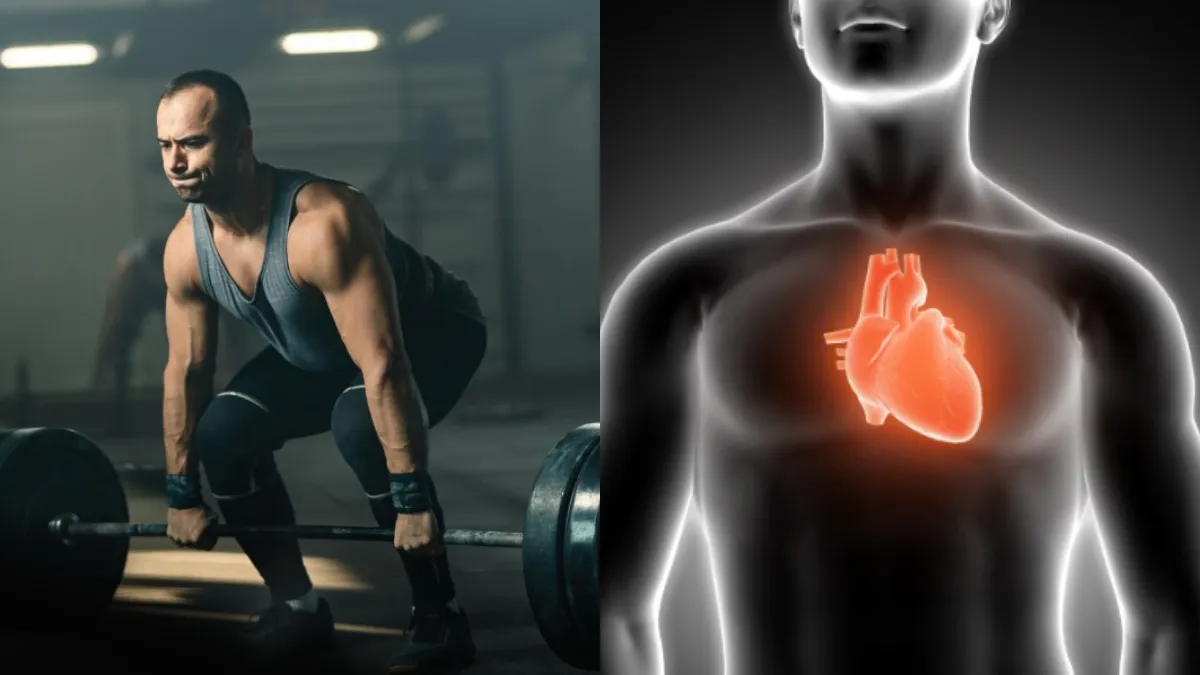
If heavy weightlifting is not done properly, or if a person does it without proper medical guidance, it can put substantial stress on the heart, especially for someone who has an underlying or undiagnosed heart condition. Cardiologists believe that, for many people who lift very heavy weights, they will hold their breath during the lift, also known as the Valsalva manoeuvre. This causes a sudden spike in blood pressure, which can place undue strain on the heart.
According to Dr Vikash Goyal, Associate Director, Cardiology, Paras Health, Gurugram, this acute pressure load can trigger chest pain, abnormal heart rhythms, dizziness, or unusual breathlessness, and in rare cases, may even precipitate heart attacks in vulnerable individuals. Over time, excessive or improper heavy lifting can also cause thickening of the heart muscle, especially the left ventricle, which may impair the heart’s ability to relax normally if not balanced with aerobic exercise.
Although traditionally viewed as harmful by most people due to their association with sports and competition, fun rides can provide significant improvement to cardiovascular fitness if done properly. When you use moderate amounts of weight or resistance, take your time with the exercise by controlling the speed of movement, breathing normally, and moving up through progressive steps. It will all help to increase your muscle strength, improve insulin sensitivity, and provide healthier overall function of your heart.
If you have any of the following risk factors: high blood pressure, diabetes, obesity, a family history of heart disease, or if you are over 40 years of age, it is best that you obtain a basic cardiac evaluation before beginning any type of heavy lifting. The safest and most effective method of improving physical fitness while protecting the heart consists of combining moderate resistance or weight training with regular aerobic activity, and ideally should be done under the supervision of a qualified professional.
Disclaimer: Tips and suggestions mentioned in the article are for general information purposes only and should not be construed as professional medical advice. Always consult your doctor or a dietician before starting any fitness programme or making any changes to your diet.
ALSO READ: Young, fit and still at risk: Why sudden cardiac arrests are becoming a youth epidemic
