
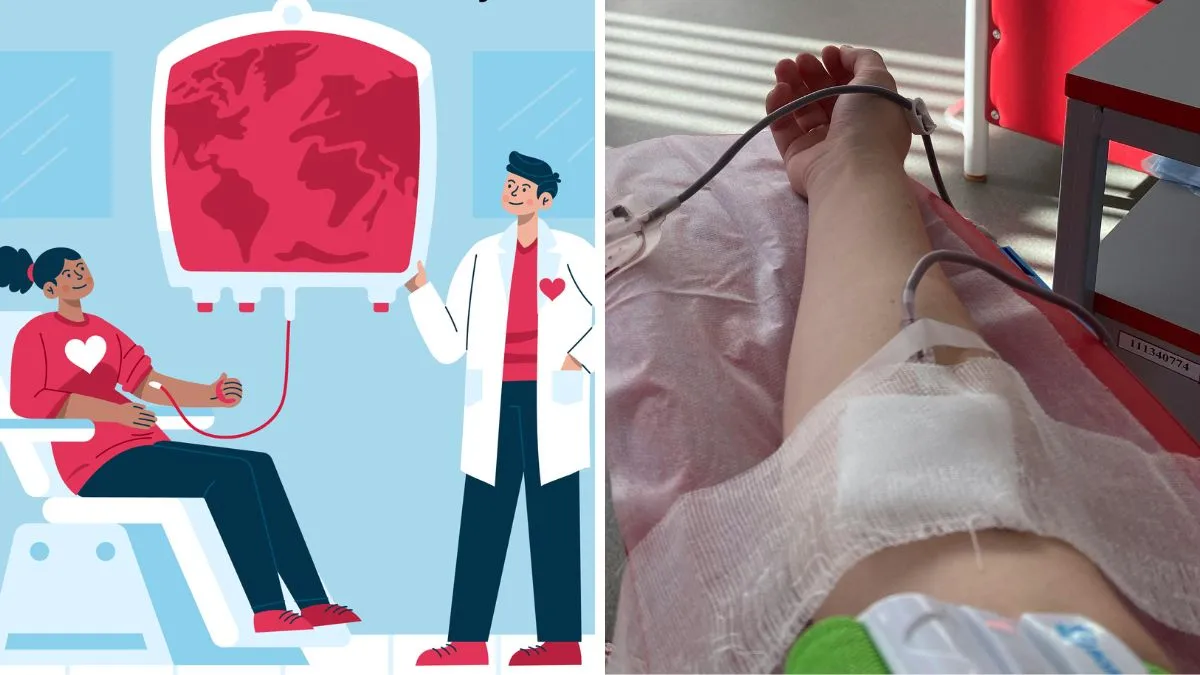
Many healthy people are willing to donate blood, yet hesitate because of persistent myths. From a medical perspective, these misconceptions continue to prevent lifesaving donations that could otherwise help patients in emergencies, surgeries, and cancer treatment.
“The biggest barrier to blood donation is fear driven by misinformation,” says Dr Anoop P, Senior Consultant – Haematology, Haemato-Oncology, Paediatric Haemato-Oncology and Bone Marrow Transplant at Aster Whitefield Hospital. “Blood donation is a safe, well-monitored medical procedure, but myths often overshadow facts.”
Doctor busts common blood donation myths
Myth 1: Donating blood makes you weak
This is the most common fear among first-time donors. Medically, it is incorrect.
“A healthy adult has enough blood volume, and the body replaces the donated blood within a few weeks,” Dr Anoop explains. “Some people may feel mild fatigue initially, but this does not translate into long-term weakness if hydration and nutrition are maintained.”
Myth 2: You can get infections from donating blood
Fear of infection continues to deter many potential donors, despite strict safety protocols.
“Blood donation is carried out using sterilised, single-use needles that are discarded after every donor,” Dr Anoop says. “The procedure is carefully monitored, and the risk of infection from donating blood is extremely low.”
Myth 3: People with lower weight or average fitness shouldn’t donate
Many assume that only very strong or athletic individuals are eligible to donate blood. This is not true.
“Eligibility depends on minimum weight and basic health parameters, not physical strength,” Dr Anoop clarifies. “If a person meets the required criteria and is otherwise healthy, average fitness is sufficient for safe donation.”
Myth 4: Blood donation affects periods or hormones in women
This myth disproportionately discourages women from donating blood.
“Blood donation does not affect hormonal balance or menstrual cycles,” Dr Anoop says. “Healthy women can donate blood safely at recommended intervals without any impact on menstrual health.”
Myth 5: Regular blood donation causes anaemia
Another widespread concern is that frequent donation leads to low haemoglobin levels.
“Donation centres screen haemoglobin levels before every donation,” Dr Anoop explains. “When done responsibly and at proper intervals, blood donation does not cause anaemia. In fact, regular screening often encourages better health monitoring.”
Blood donation is safe, quick, and medically supervised. One unit of donated blood can save multiple lives, making it one of the simplest yet most powerful ways to contribute to public health. “Breaking these myths through awareness and accurate medical information is crucial,” Dr Anoop says. “Fear should never stand in the way of saving lives.”
Disclaimer: Tips and suggestions mentioned in the article are for general information purposes only and should not be construed as professional medical advice. Always consult your doctor or a dietician before starting any fitness programme or making any changes to your diet.
