
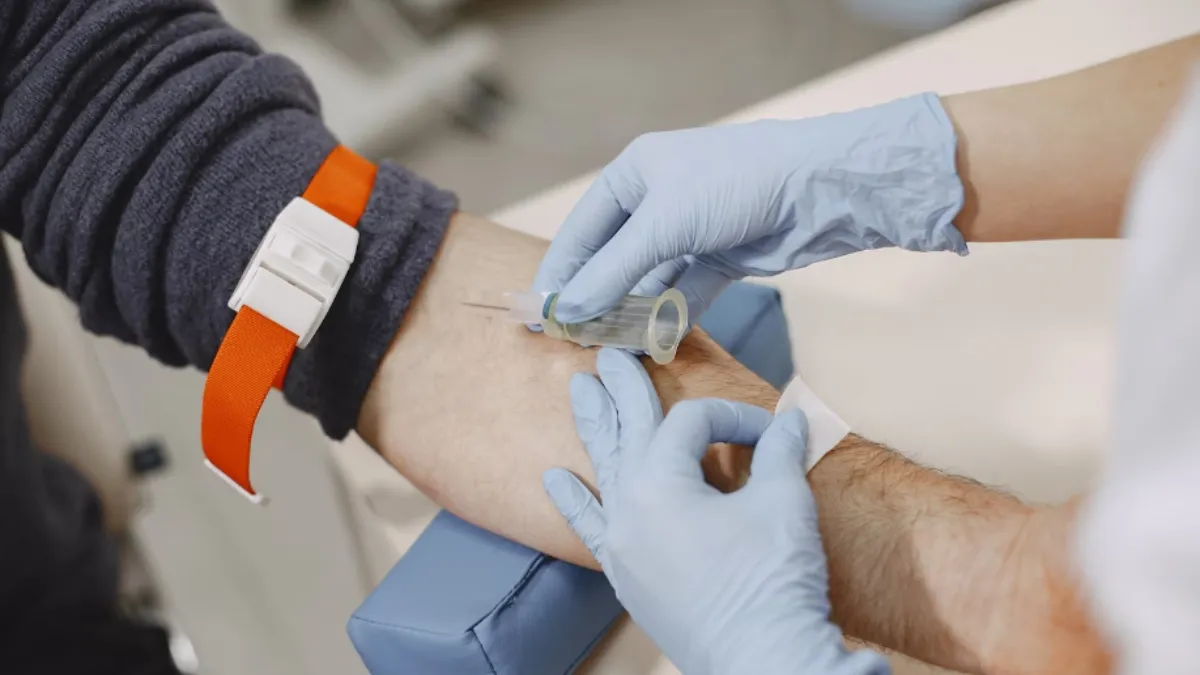
Donating blood is an easy way to help others by helping many people who are very sick, because one donation can be divided and used to help three patients. Performed as part of everyday life, blood donations help provide medical assistance in emergencies or when surgical procedures take place. Donations are also for patients getting treated for cancers, or those who have experienced a life-threatening injury, or those who have chronic blood-related diseases.
According to Dr Harpreet Kaur, Medical Superintendent, Head - Lab Services & Blood Centre, Aakash Healthcare, beyond helping recipients, regular blood donation also offers health benefits for donors, including the stimulation of new blood cell production and the potential reduction of excess iron levels in the body, which may support overall cardiovascular health.
Blood donation eligibility rules and duration
To donate blood in India, a healthy adult aged 18-65 must typically be at least 45-50 kg in weight and have a suitable level of haemoglobin, normally above 12.5 g/dL. A potential blood donor must not have a current infection or fever, nor have any condition that is medically serious. Blood donation requires an adequate time frame for the body to restore any blood that has been lost; in general, there is about a 3-month interval for men, and about a 4-month interval for women, between blood donations.
The actual procedure to donate blood is short, usually taking only about 8-10 minutes to complete. The entire visit to the blood donation facility, including filling out the registration form, basic health screening, and recovering after the donation, will take between 30 and 45 minutes in total. The process of donating blood is safe because it uses sterile and single-use equipment, and all blood donations are monitored by qualified medical personnel.
What to do after donating blood
After donating blood, individuals are advised to rest for a short while, drink plenty of fluids, and have a light snack to restore energy levels. Finishing the physical activity, smoking and drinking alcohol should be avoided for the first 24 hours after giving blood. Following these easy after-donation tips will ensure that you are recovering smoothly and that you feel your best. Regularly donating blood is a safe and meaningful contribution to helping other people in our community and to saving lives.
Disclaimer: Tips and suggestions mentioned in the article are for general information purposes only and should not be construed as professional medical advice. Always consult your doctor or a dietician before starting any fitness programme or making any changes to your diet.
ALSO READ: Why low haemoglobin should not be ignored: Doctor explains the hidden risks
