
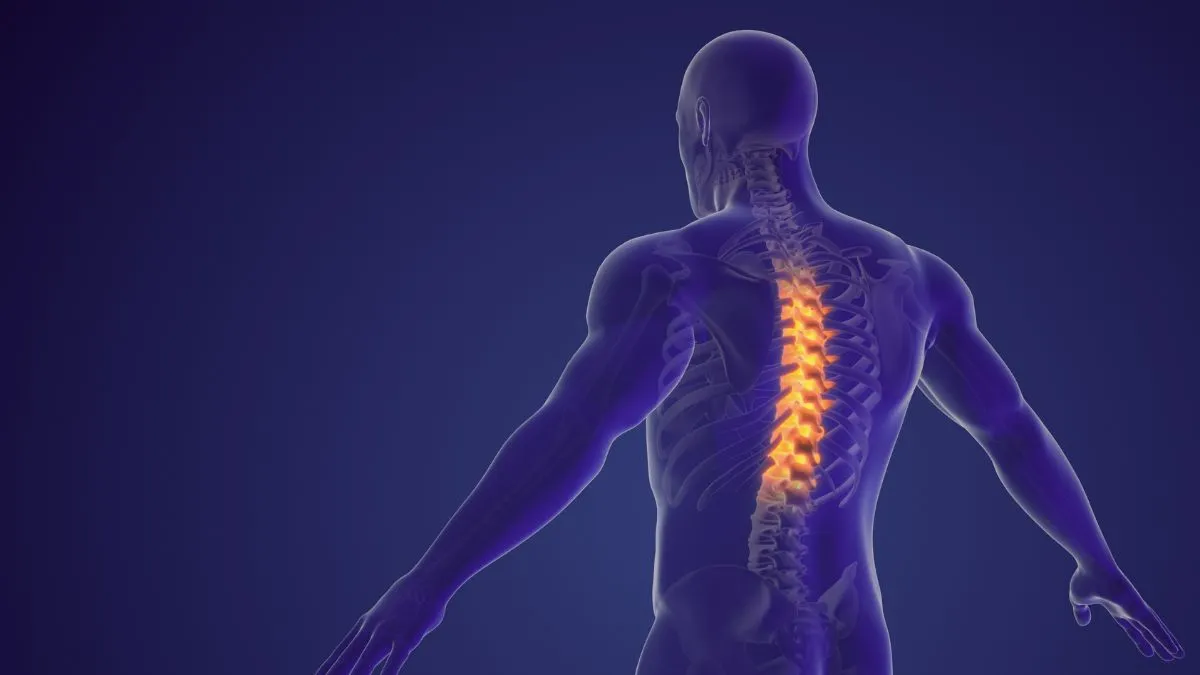
A recent study said that adults with chronic back pain should not be given spine injections as they provide little or no pain relief when compared to sham injections. The study was published on Thursday in the British Medical Journal (BMJ).
Chronic back pain is the leading cause of disability across the globe that is estimated to affect one in five adults aged 20-59. Older adults tend to suffer more with the condition.
A team of clinicians and patients from Canada, the US, and Australia strongly recommended against epidural steroid injections and nerve blocks for people living with chronic back pain (lasting at least three months) that is not associated with cancer, infection or inflammatory arthritis.
Epidural steroid injections, nerve blocks and radiofrequency ablation (using radio waves to destroy nerves) are widely used to stop pain signals from reaching the brain. However, the current guidelines provide conflicting recommendations for their use.
For the study, the team compared the benefits and consequences of 13 common interventional procedures or combinations of procedures for chronic, non-cancer spine pain against sham procedures. These include injections of such as local anaesthetic, steroids or their combination; epidural injections and radiofrequency ablations.
They analysed reviews of randomised trials and observational studies of these procedures. Their recommendation showed that there was no high-certainty evidence for any procedure or combination of procedures.
The low and moderate certainty evidence suggests “no meaningful relief for either axial pain (in a specific area of the spine) or radicular pain (radiating from the spine to the arms or legs) for spine injections compared with sham procedures”, said the team, while strongly recommending against their use.
The researchers acknowledge that further research is warranted and it can alter future recommendations, especially for procedures that are currently supported by only low or very low certainty evidence of effectiveness.
(IANS inputs)
ALSO READ: 30 per cent drop in suicide death rates in India from 1990 to 2021; says Lancet study
