
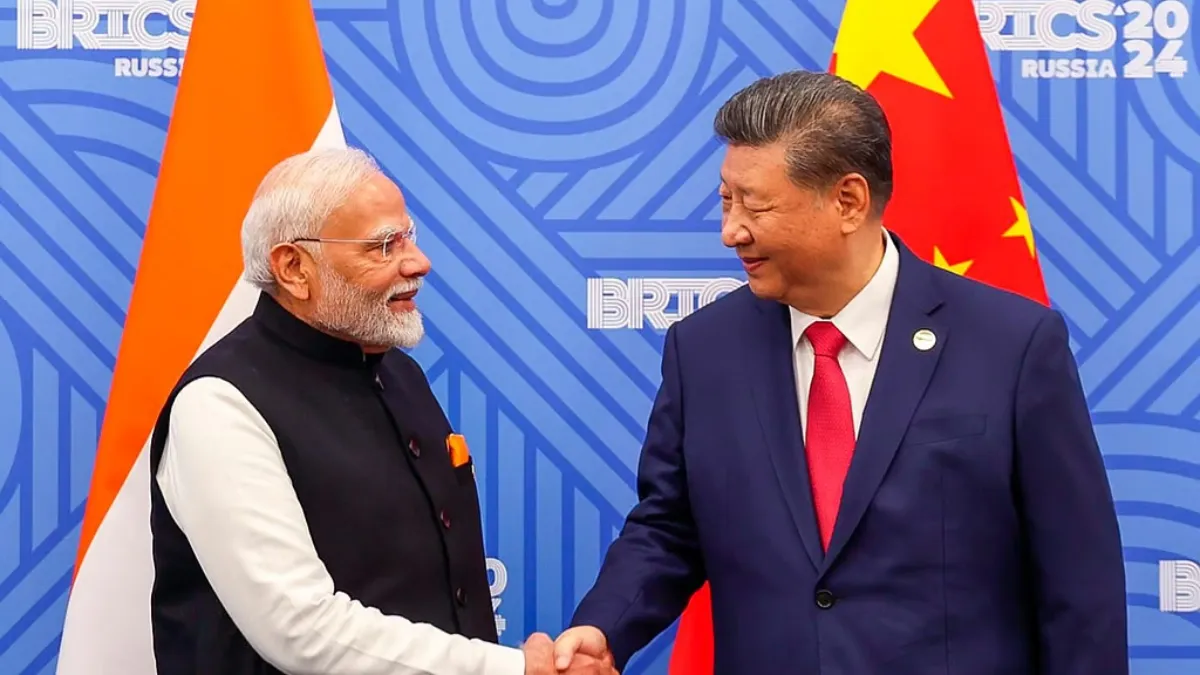
Prime Minister Narendra Modi’s upcoming visit to Tianjin for the Shanghai Cooperation Organization (SCO) Summit from August 31 to September 1 marks a pivotal moment in Indo-China relations. His first trip to China since 2019, and the first in-person meeting with President Xi Jinping on Chinese soil since the deadly Galwan Valley clash in 2020, comes after years of diplomatic chill. In a volatile global environment marked by US tariff escalations and growing strategic uncertainty, this summit serves as more than just a photo opportunity—it’s a recalibration of India’s place in an evolving multipolar order.
A meeting shaped by strategic pressures
Both India and China are currently reassessing their global engagements. With New Delhi facing steep tariffs and growing friction with Washington—particularly over energy ties with Russia and trade imbalances—there is a renewed interest in balancing relationships. For Beijing, similar pressures from a still-cautious US have opened the door for engagement with regional powers. This convergence of external pressure has nudged both sides toward dialogue, not from sudden friendship, but strategic necessity.
From border tensions to confidence-building
The primary issue between the two countries remains the unresolved border dispute along the Line of Actual Control (LAC). While a comprehensive solution is unlikely soon, both sides have engaged in quiet diplomacy in recent months. High-level exchanges—including visits by National Security Advisor Ajit Doval and External Affairs Minister S. Jaishankar to meet with Chinese counterparts—have led to minor but meaningful outcomes. These include the resumption of direct flights, reopening of pilgrimage routes, and discussion on practical measures like hotline mechanisms and border demarcation in less contested areas.
The SCO: A stage for symbolism and substance
This year’s summit—the largest in SCO history—brings together over 20 nations and multiple global organizations, making it a significant multilateral platform. The "Shanghai Spiri" of mutual respect, trust, and non-interference underpins the event. For India, participation affirms its multi-alignment strategy—engaging with China and Russia while balancing relations with the West, Japan, and ASEAN. Modi’s presence is also a subtle assertion of strategic autonomy at a time when India faces mounting Western criticism and trade retaliation.
India's assertive agenda: Terrorism and beyond
Despite the thaw, India is not expected to pull its punches. Cross-border terrorism will feature prominently in Modi's bilateral and multilateral discussions. India has consistently rejected SCO joint statements that dilute references to terrorism and is likely to reiterate the need for strong, unambiguous condemnation—especially with Pakistan's leadership in attendance. This reflects India’s broader objective to shape regional security narratives within multilateral institutions.
Not a reset, but a realignment
Calling this summit a full-fledged reset would be premature. Major flashpoints—such as China’s close ties with Pakistan, Tibet, and trade imbalances—remain unresolved. But what this summit may achieve is a "tactical stabilisation." It offers a chance to contain friction, resume structured dialogue, and signal mutual willingness to manage conflict through engagement rather than escalation.
