
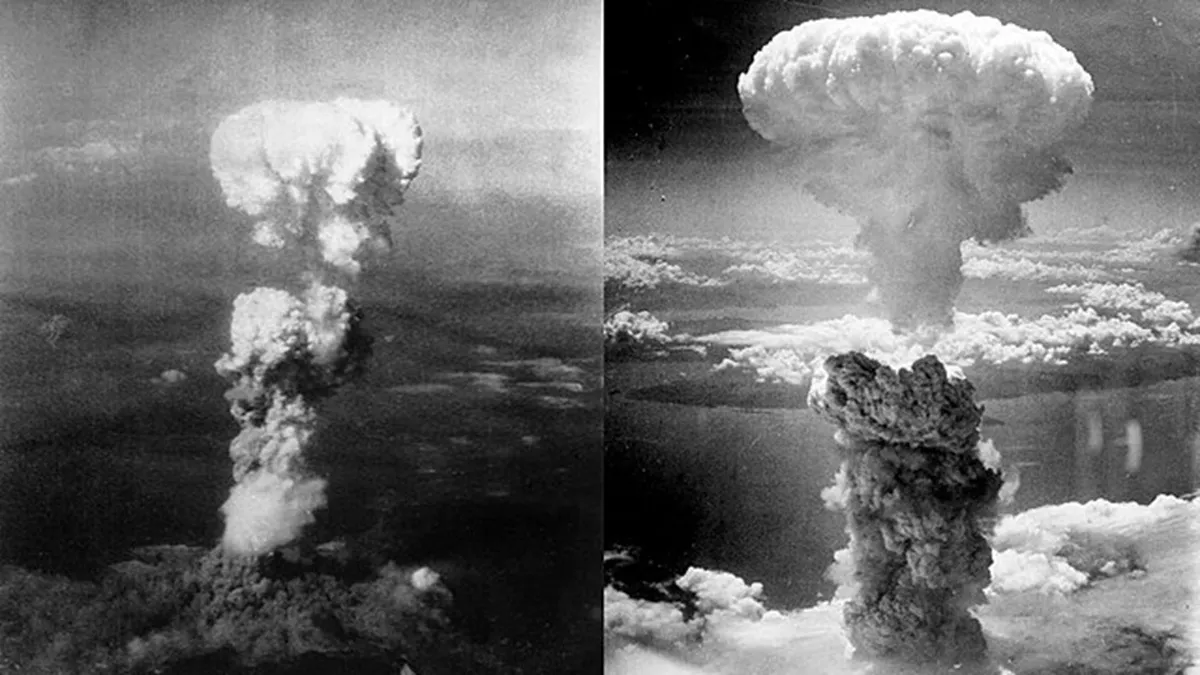
Hiroshima Day is observed every year on August 6 as a grim reminder of the horrors of nuclear warfare and the enduring call for peace. This year, Hiroshima Day marks the 80th anniversary of the atomic bombing that devastated the Japanese city in 1945. This occasion brings to mind the disastrous effects of World War II on humanity in 1945, when the atomic bomb was detonated on Hiroshima, causing catastrophic destruction and loss of life.
The United States on August 6, 1945 dropped the first atomic bomb on the Japanese city of Hiroshima. Dropped by the B-29 bomber aircraft, the nuclear bomb was codenamed 'Little Boy' and ended up killing over 140,000 people.
What were the immediate effects of the bombing?
The dropping of the nuclear bomb caused extensive damage and the immediate deaths of between 70,000 and 80,000 people in the city. Apart from this, many survivors experienced serious radiation consequences, burns, and injuries.
What were the long-term effects of the bombing?
Several long-term effects of the nuclear bombing included psychological stress and persistent health problems for survivors, such as elevated cancer rates and birth deformities.
What is the history of Hiroshima Day 2025
The nuclear bomb was dropped on Hiroshima as Japan was one of the major Axis powers during WWII and refused to surrender to the Allied forces. However, to end the global war, the US decided to drop the bomb on Hiroshima. And again, three days later, another nuclear bomb was dropped on Nagasaki, killing more than 200,000 people by the end of that year.
After facing catastrophic devastation caused by the bombings, Japan's Emperor Hirohito announced an unconditional surrender in World War II on August 15 and with this, WWII came to an end, but the repercussions of the twin blasts are still seen today.
Hiroshima Day 2025: What was the codename of the US military operation?
Operation Centerboard was the codename for the atomic bombing of Nagasaki by the United States on August 9, 1945, during World War II. It was the second and last time nuclear weapons were used in warfare, following the bombing of Hiroshima three days earlier. The bombing of Nagasaki aimed to further pressure Japan into surrendering, which ultimately led to Japan's surrender and the end of the war.
It should be noted that the Operation Centerboard was a strategic bombing mission designed to cripple Japan's war-making capabilities and force its surrender.
Also Read:
Hiroshima Day: Why only 9 countries possess nukes and what stops most nations from going nuclear
