
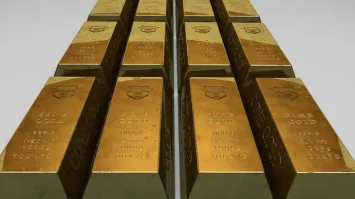
Gold purchase in India is not just a way of investing in a safe-haven asset, but also holds religious or cultural significance. People in India hold a significant amount of gold or gold jewellery. If your gold is solely for investment purposes (such as coins or bars) and not for any personal use (such as weddings), using it as a line of credit during a crisis can be a good option. But the question arises: should you take out a gold loan or a gold overdraft?
How gold loan work?
A gold loan is a 'secured loan' where you pledge your gold jewellery, coins or biscuits to a bank or NBFC (non-banking financial company), and in return, the financial institution lends you some money based on the purity and weight of the precious metal.
Usually, such financial institutions lend up to 75% of the total value of the gold, disbursed immediately as a loan. The good part about a gold loan is that your gold remains safe in the bank's vault until you repay the entire loan, along with interest. However, if you fail to repay the loan, the bank has the right to recover its money by selling the gold.
What is a gold overdraft?
Unlike a gold loan, a gold overdraft is like a revolving credit line. It's similar to your credit card or bank overdraft. Here, you pledge gold, but instead of giving you all the money at once, the bank sets a limit. Let's understand this with an example. If you pledge gold worth Rs 10 lakh and the bank gives you an overdraft limit of Rs 7.5 lakh, you can withdraw Rs 50,000 or Rs 1 lakh at any time as per your wish.
What is the difference between the two?
The biggest difference between the two is the interest paid by the user.
In case of a gold loan, if you take a gold loan of Rs 5 lakh, interest will start accruing on the entire Rs 5 lakh from the very first day, even if the money is kept in your cupboard. By contrast, if your gold overdraft limit is Rs 5 lakh, but you withdraw only Rs 2 lakh and repay it after 3 months, you will only have to pay interest on that Rs 2 lakh for only 3 months. The remaining Rs 3 lakh will not attract any interest.
Documents and eligibility
Very little paperwork is required in both cases, as the gold itself is a big guarantee. However, basic documents such as the Aadhaar Card, PAN Card, and Voter ID are required to avail the facility. In addition, you need to provide a receipt for the purchase of gold. If the jewellery is ancestral, a self-declaration is required.
ALSO READ | Ganga Expressway: Know toll charges and other key details ahead of inauguration
