
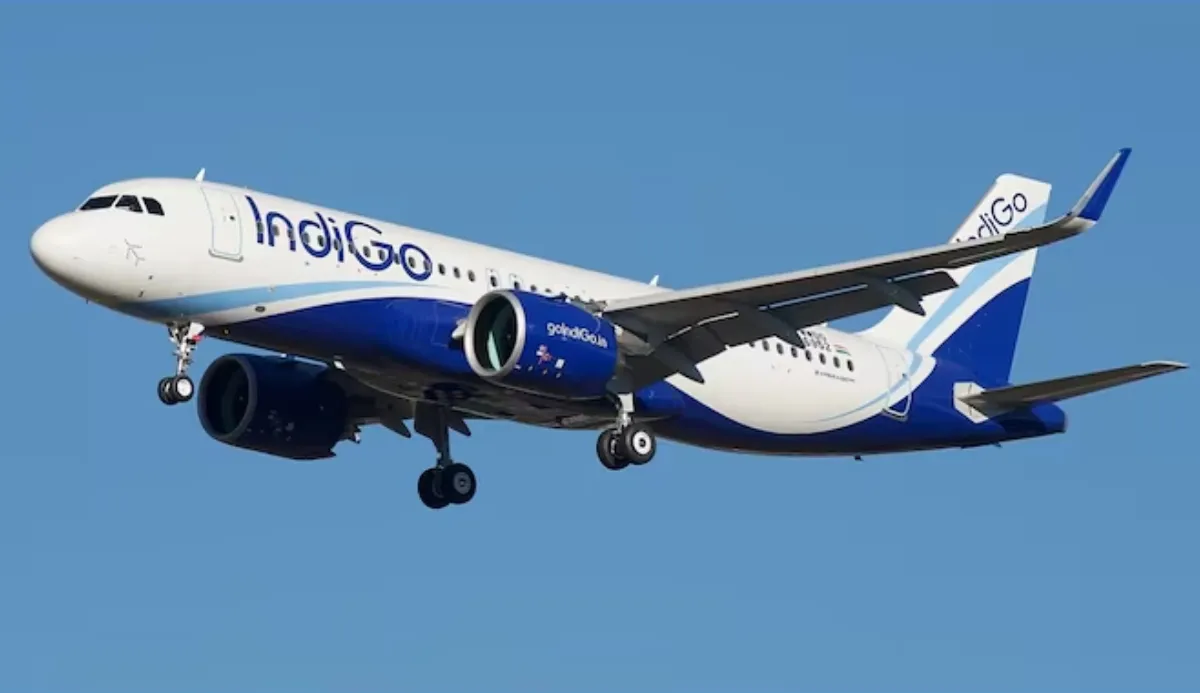
IndiGo has cancelled flights to Tbilisi, Almaty, Tashkent, and Baku until January 28 amid the prevailing situation in Iran. The airline said it is closely monitoring developments in the region and proactively reviewing operations, with passenger safety as its top priority.
IndiGo cancels flights to Tbilisi, Almaty, Tashkent and Baku
In a statement posted on X, IndiGo said, "We remain vigilant to developments in the region around Iran and are proactively reviewing flight operations, with safety being our highest priority."
In view of the prevailing situation and after careful assessment, IndiGo said it was cancelling flights to and from Tbilisi (Georgia), Almaty (Kazakhstan), Tashkent (Uzbekistan) and Baku (Azerbaijan) on January 26, 27 and 28. "Customers may conveniently visit http://goindigo.in/plan-b.html to explore alternate flight options or claim a full refund," it said.
IndiGo also advised customers to regularly monitor their flight status online and thanked them for their patience and understanding as it takes precautionary decisions to ensure safe and smooth travel. "Customers are advised to monitor their flight status at https://goindigo.in/check-flight-status.html. We sincerely appreciate your patience and understanding as we take measured decisions in the interest of safe and seamless travel," the airline added.
Why did IndiGo cancel flights?
An airline official said IndiGo usually flies over Iranian airspace on these routes and is now avoiding it due to the current situation. Typically, flights from India to these destinations take around six to seven hours. However, IndiGo operates these routes with A320neo aircraft, which lack the range and fuel capacity required to operate via longer alternative routings.
IndiGo on Sunday cancelled flights between Delhi-Tbilisi and Mumbai-Almaty.
Iran-US tensions
Tensions have escalated between Iran and the United States, and there are apprehensions that the situation could result in a military conflict.
Tension between the US and Iran has spiked in the wake of a brutal crackdown on nationwide protests that saw thousands of people killed and tens of thousands arrested. US President Donald Trump had threatened military action if Iran continued to kill peaceful protesters or carried out mass executions of those detained.
There have been no further protests for days, and Trump claimed recently that Tehran had halted the executions of about 800 arrested protesters — a claim Iran's top prosecutor called "completely false."
But Trump has indicated he is keeping his options open, saying on Thursday that any military action would make last June's US strikes on Iranian nuclear sites "look like peanuts."
US Central Command said on social media that its Air Force F-15E Strike Eagle now has a presence in the Middle East, noting the fighter jet "enhances combat readiness and promotes regional security and stability."
Similarly, the UK Ministry of Defence said Thursday that it deployed its Typhoon fighter jets to Qatar "in a defensive capacity."
The protests in Iran began on December 28, sparked by the fall of the Iranian currency, the rial, and quickly spread across the country. They were met by a violent crackdown by Iran's theocracy, which does not tolerate dissent.
The death toll reported by activists has continued to rise since the end of the demonstrations, as information trickles out despite a more than two-week internet blackout — the most comprehensive in Iran's history.
The US-based Human Rights Activists News Agency on Sunday put the death toll at 5,459, with the number expected to increase. It says more than 40,800 people have been arrested.
Also Read: IndiGo shares to be in focus when markets open as Q3 profit plunges 78%, check details
