
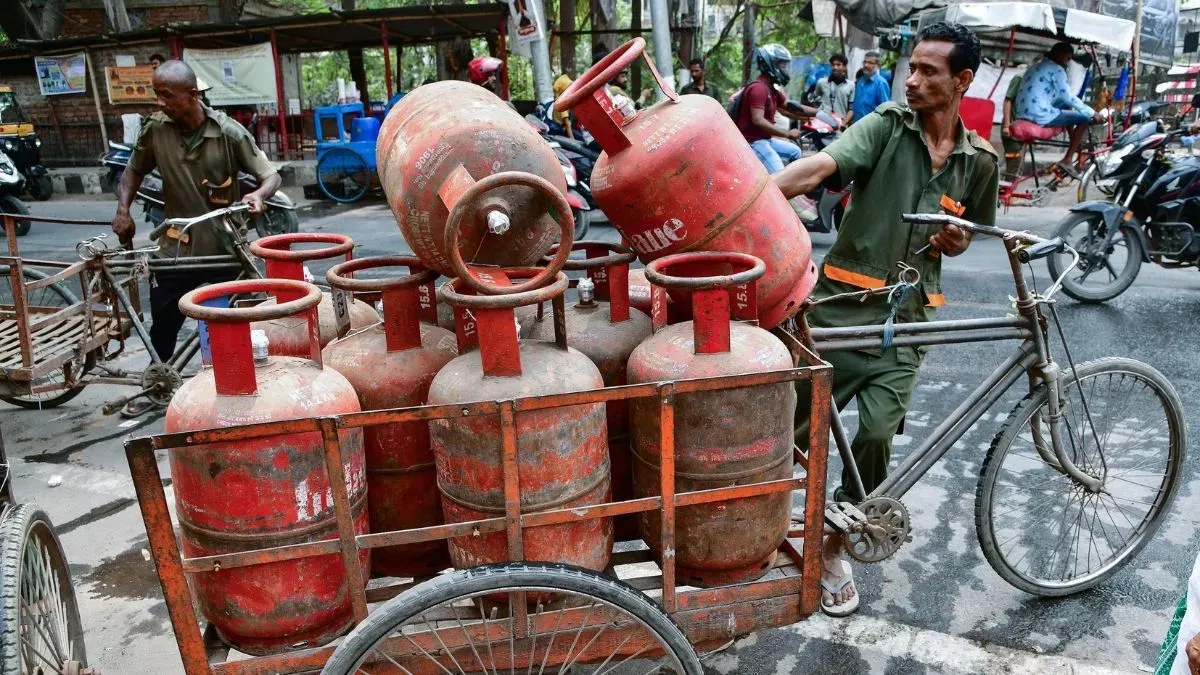
Prices of commercial LPG cylinders were increased by Rs 195.50 on Wednesday (April 1), following a surge in global oil prices linked to the widening conflict in West Asia. This comes after a previous hike of Rs 114.5 per 19-kg cylinder on March 1.
The ongoing crisis has disrupted energy supplies to India, leading to an initial curtailment of LPG supplies to commercial establishments such as hotels and restaurants, as authorities prioritised household consumption. Amid the war, commercial LPG consumers in major cities and urban areas have been advised to shift to PNG as part of a broader strategy to reduce dependence on liquefied petroleum gas.
Check new rates in your city
| City | New price |
| Delhi | 2078.50 |
| Kolkata | 2208.00 |
| Mumbai | 2031.00 |
| Chennai | 2246.50 |
No change in domestic LPG rates
Domestic cooking gas LPG rates, which were last hiked by Rs 60 per 14.2-kg cylinder on March 7, remain unchanged. It costs Rs 913 per 14.2-kg cylinder in Delhi.
State-owned Indian Oil Corporation, Bharat Petroleum, and Hindustan Petroleum revise ATF and LPG prices on the first day of every month based on international benchmarks and the exchange rate.
Global oil prices have shot up almost 50 per cent after the war in West Asia disrupted energy supply chains.
Petrol and diesel prices continue to remain frozen after a Rs 2 per-litre reduction in March last year; petrol currently costs Rs 94.72 per litre in Delhi and diesel Rs 87.62.
Jet fuel prices more than doubled to Rs 2.07 lakh per kl
Prices of aviation turbine fuel (ATF), or jet fuel, were more than doubled to a record Rs 2.07 lakh per kilolitre on Wednesday, driven by the surge in global oil prices linked to the widening West Asia conflict. On March 1, prices of jet fuel were hiked by 5.7 per cent (Rs 5,244.75 per kl).
ATF prices in Delhi were hiked to Rs 207,341.22 per kl, from Rs 96,638.14 per kl.
This is the first time ATF prices have crossed the Rs 2 lakh per kilolitre (kl)-mark.
West Asia conflict
This comes amid the ongoing West Asia conflict, which has widened beyond Iran, with Iranian retaliatory attacks, using missiles and drones, targeting US military bases, embassies, and civilian and energy infrastructure in neighbouring Gulf countries, including the UAE, Saudi Arabia, Qatar, Kuwait, Bahrain, and Jordan.
The regional conflict intensified after the killing of 86-year-old Iran's Supreme Leader, Ali Khamenei, in joint US-Israeli strikes on February 28. In response, Iran carried out missile and drone attacks on Israeli and US targets across several Gulf nations. The escalation has disrupted shipping through the Strait of Hormuz, a key global energy corridor, impacting international oil supplies, energy markets, and global economic stability.
The escalation has also disrupted global energy supplies, particularly around the Strait of Hormuz, a crucial maritime route through which about one-fifth of the world's oil is transported. The Strait of Hormuz is one of the world's most critical shipping routes, through which a significant portion of global oil and gas supplies passes.
Also Read: Centre hikes commercial LPG supply to 70% of pre-war demand amid West Asia tensions
Also Read: 'India's energy situation in control despite global disruptions': PM Modi on West Asia conflict
