
The government’s intent to decentralise India’s growth story, shifting focus from saturated metros to Tier II and Tier III cities, as well as temple towns with rising economic significance, is likely to fuel realty growth in small cities. An allocation of Rs 5000 crore per CER over five years announced in the Union Budget 2026 is proposed for implementing their plans through a challenge mode with a reform-cum-results based financing mechanism. Through sustained allocations for urban infrastructure, housing, connectivity and tourism-linked development, the budget announcement signals a long-term policy push to strengthen smaller cities as self-sustaining growth centres.
Rising realty demand in emerging cities
This recalibration is expected to unlock fresh real estate demand across residential, mixed-use and hospitality segments, particularly in cities such as Lucknow, Ayodhya, Mathura-Virindavan and Prayagraj, where improving infrastructure and expanding urban footprints are reshaping investor and end-user sentiment. According to the data by Anarock, land deals in Tier-II and Tier-III cities in H1 2025 covered around 1,907 acres, compared to 991 acres in Tier-I cities. Together, these factors are creating spillover demand for hotels, high-street retail, mixed-use developments and premium housing, driven not just by tourists but also by diaspora interest and second-home buyers seeking culturally rooted yet well-connected urban markets.
Mohit Goel, Managing Director, Omaxe Limited, said, “The Union Budget’s increased capex allocation and urban-focused initiative to develop City Economic Regions (CERs) reflect a clear policy focus on Tier II and III cities as well as temple tourism corridors, signalling that India’s next phase of real estate growth will increasingly be driven beyond the metros. Infrastructure investments across expressways, rail connectivity, urban mobility, and pilgrimage circuits are creating a multiplier effect on land values, tourism economies, and end-user housing demand.”
“Cities such as Lucknow and Prayagraj are witnessing this transformation first-hand, supported by sustained government spending on civic and social infrastructure. At the same time, temple towns like Ayodhya and Mathura-Vrindavan are evolving from seasonal pilgrimage centres into year-round economic ecosystems, where hospitality, retail, second homes, and integrated townships are gaining traction. What we are seeing today is not speculative demand but structurally driven end-user and investor interest. The Budget’s push will further accelerate planned urbanisation across these cities, reinforcing their position as the next high-growth real estate destinations,” he further added.
Lucknow’s transition to organised urban growth
Budgetary emphasis on expressway networks, rail modernisation, airport expansion, urban transit systems and civic upgrades is steadily improving connectivity between large urban centres and emerging cities such as Lucknow and Prayagraj. Faster travel times, better last-mile access and upgraded urban services are not only enhancing ease of movement but also expanding the economic catchment of these cities.
“Lucknow today represents the next chapter of Tier II real estate growth, one that is rooted in end-user confidence rather than short-term price plays. The government’s continued focus on urban infrastructure, housing support, and connectivity is making the city increasingly livable and investment-worthy. We’re seeing strong demand from professionals and local entrepreneurs who want quality homes with better planning and amenities. What’s particularly encouraging is the shift toward organised development and township-style living. The Budget’s emphasis gives developers the confidence to plan long-term projects that align with evolving lifestyle aspirations in the city,” said Yash Miglani, Managing Director, Migsun Group.
Temple towns emerge as sustainable realty hubs
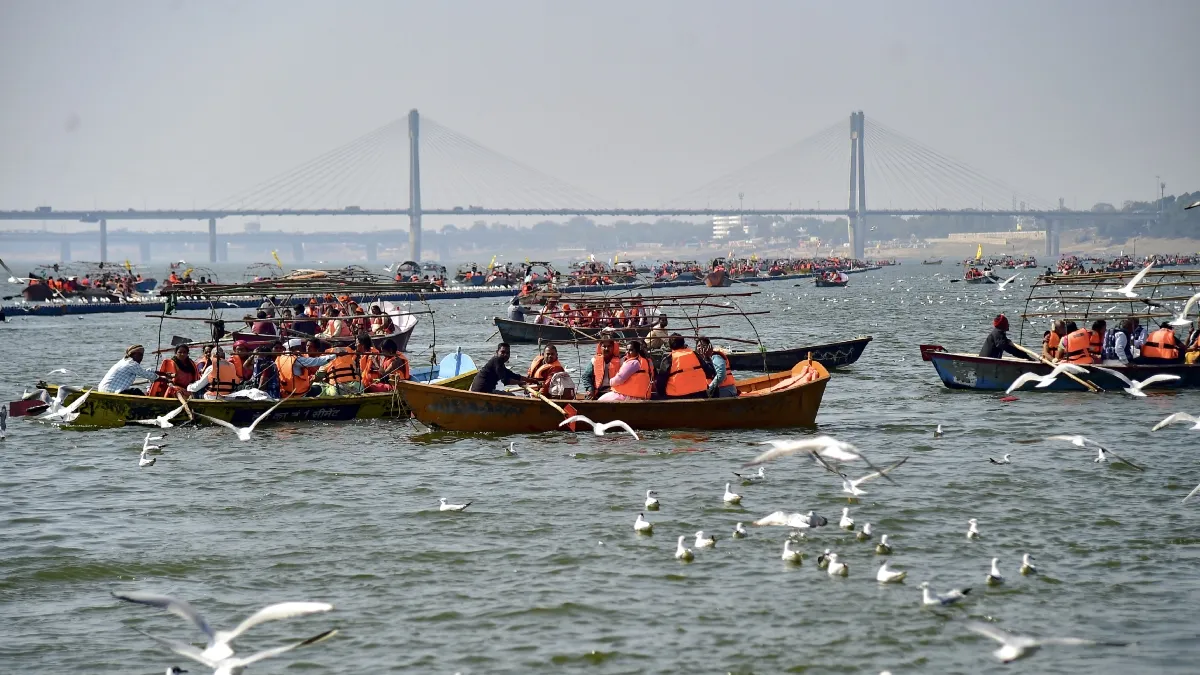
Moreover, temple towns and heritage cities are emerging as important real estate drivers as religious tourism, cultural infrastructure and improved civic amenities translate into sustained, year-round footfall. In cities such as Prayagraj, recurring pilgrimage cycles and investments in public spaces, transport and hospitality infrastructure are supporting demand for hotels, serviced residences, retail and mixed-use developments, moving the market beyond event-led spikes.
“Temple towns like Ayodhya and adjacent urban cities are entering a new phase of development where spirituality, infrastructure, and modern living are converging. The Budget’s push toward tourism-led infrastructure and urban renewal is creating fertile ground for large, integrated townships that cater to residents, visitors, and the local economy. Demand here is no longer limited to short stays or seasonal footfall; it’s about building complete ecosystems with housing, retail, and social infrastructure. This transition from pilgrimage destinations to livable cities is increasing the demand for properties in a far more sustainable way,” Siddharth Katyal, CEO, Bhumika Realty, concluded.
