
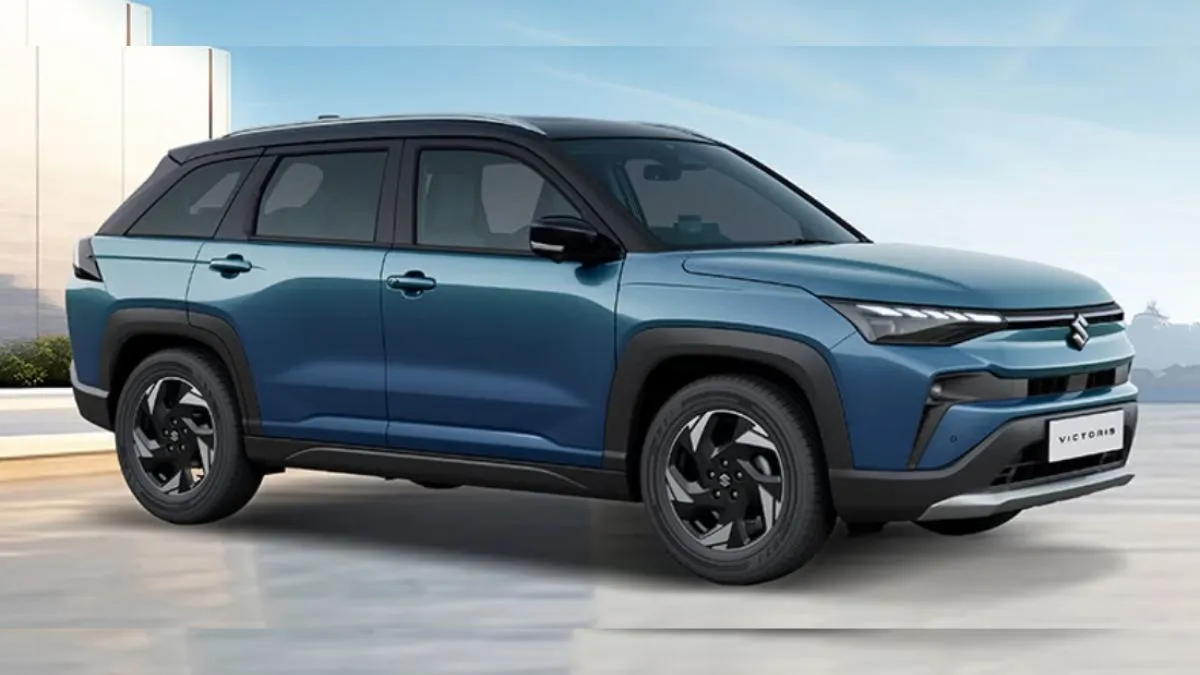
Maruti Suzuki has announced that it is raising the prices yet again. Starting from June 2026, the company is expect to pay up to Rs 30,000 more for its passenger cars. If you’re wondering why, Maruti puts the blame squarely on rising input costs and a tough cost environment. They say they’ve been carefully managing expenses for a while now, trimming internal costs wherever possible, but the constant pressure from inflation finally forced their hand. Now, customers will feel some of that burden.
Price hike for all the cars: Budget to high-end
The price increase will depend on which model you are looking at. Maruti’s lineup stretches from budget options like the S-Presso to their more high-end Invicto, covering a price band of Rs 3.49 lakh to Rs 28.7 lakh (ex-showroom). That means the extra cost will not be the same for everyone, and some models will go up a little, while some might grow a lot more than expected.
If this feels like a whiplash change, you are not wrong. Just last year (2025), after GST 2.0 came in, Maruti lowered prices on a few of their entry-level models. Back then, the S-Presso dropped by as much as Rs 1.29 lakh, the Alto K10 by Rs 1.07 lakh, and the WagonR by nearly Rs 80,000. So, people who took advantage of those cuts got lucky, but things are changing in the other direction now.
Maruti growing it’s production
Maruti is reportedly ramping up it’s production too. The company recently kicked off commercial operations at the second plant in its Kharkhoda facility in Haryana, adding a chunk of extra manufacturing power. With this new unit, Maruti’s total annual output in India jumps to 26.5 lakh vehicles. Clearly, they’re gearing up for what they expect will be even greater demand going forward.
Financially, Maruti’s latest results paint a pretty mixed picture. In the March quarter, they pulled in Rs 52,449 crore in revenue, which is a solid 29 per cent jump year-on-year. Their EBITDA grew even faster, up 44 per cent. But it’s not all rosy. Their net profit actually slipped 3 per cent, mostly because of lower “other income” and more tax biting into the bottom line.
So, if you are planning to buy a new Maruti car for yourself, now might be the time to act before the new prices updates, by June 2026.
Either way, Maruti is making moves and tightening belts where they have to, investing big where it needs to count, and passing on some of those unavoidable costs. The market is certainly shifting, and Maruti is making sure that it keeps its edge and its margins.
