
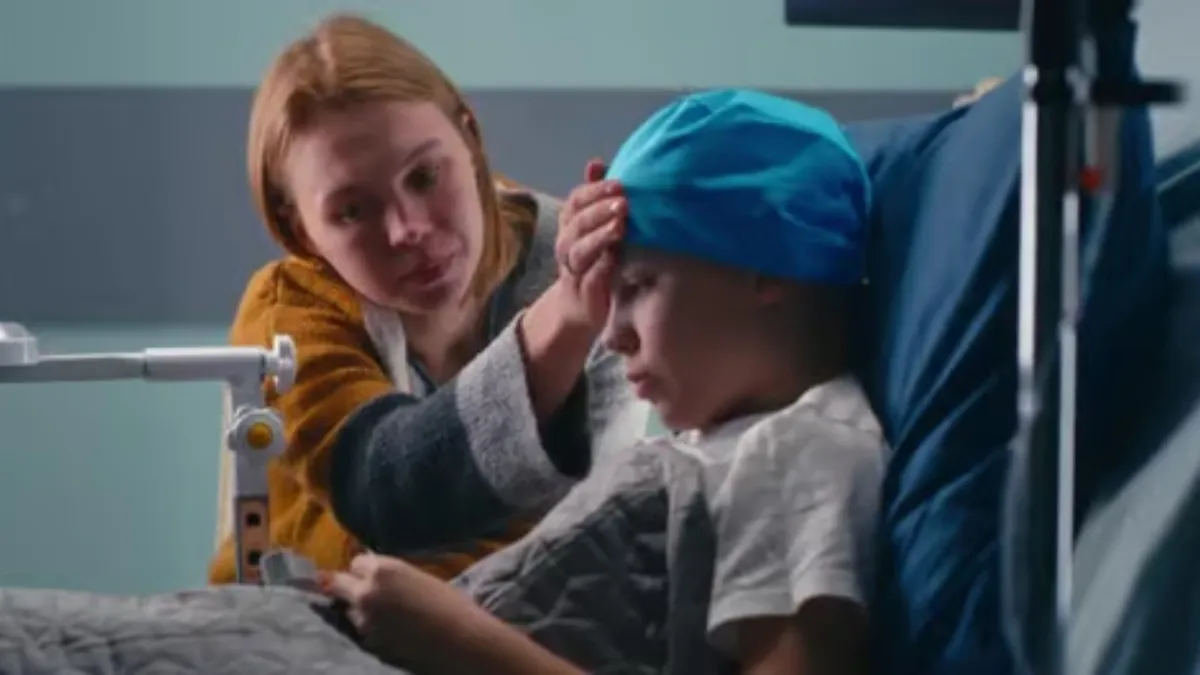
In a remarkable story that demonstrates the expanding role of artificial intelligence in healthcare, an American woman turned to ChatGPT after 17 doctors failed to diagnose her four-year-old son's strange condition. The AI chatbot not only properly recognised the unusual disease, but it also assisted the family in obtaining the urgently needed therapy for their child.
According to TODAY.com, Courtney, Alex's mother, has been looking for medical solutions for more than three years. During the COVID-19 pandemic, she began to notice strange symptoms in her kid, such as frequent toothaches and delayed growth, as well as balance and posture abnormalities. Despite consulting several physicians, no one was able to provide a conclusive diagnosis.
Feeling useless, Courtney decided to try something new. She put Alex's MRI notes and all of his symptoms line by line into ChatGPT. Within seconds, the AI tool proposed a potential condition: Tethered Cord Syndrome is an uncommon neurological condition affecting the spinal cord.
Following the AI's recommendation, Courtney joined a Facebook group for parents of children with similar symptoms, which confirmed ChatGPT's proposal. She then consulted a new neurosurgeon, who confirmed the diagnosis. Alex later underwent spinal surgery and is currently healing nicely.
While the tale has garnered considerable attention and acclaim for AI's promise in medical diagnosis, experts warn that systems such as ChatGPT should not be used to replace doctors. AI systems, particularly those created by corporate behemoths such as Google and OpenAI, are still maturing and can occasionally produce erroneous information, a condition known as "AI hallucination".
However, this case highlights a potential shift in how AI might help the healthcare industry, particularly in identifying unusual illnesses and providing second opinions. With adequate control and coordination, AI could be a helpful ally in improving patient care, especially in resource-constrained settings such as regions of India where access to specialised diagnostics is restricted.
As artificial intelligence becomes more integrated into everyday life, situations like Alex's evoke both hope and concern: may AI one day become a standard tool in every doctor's toolkit? For now, it serves as a reminder of both the technology's potential and its limitations.
Disclaimer: (This information has been provided by a third party. India TV does not vouch for the authenticity of the claims made.)
ALSO READ: Employee with flawless skin quits job over a pimple, calls it 'health issue'; internet in splits
