
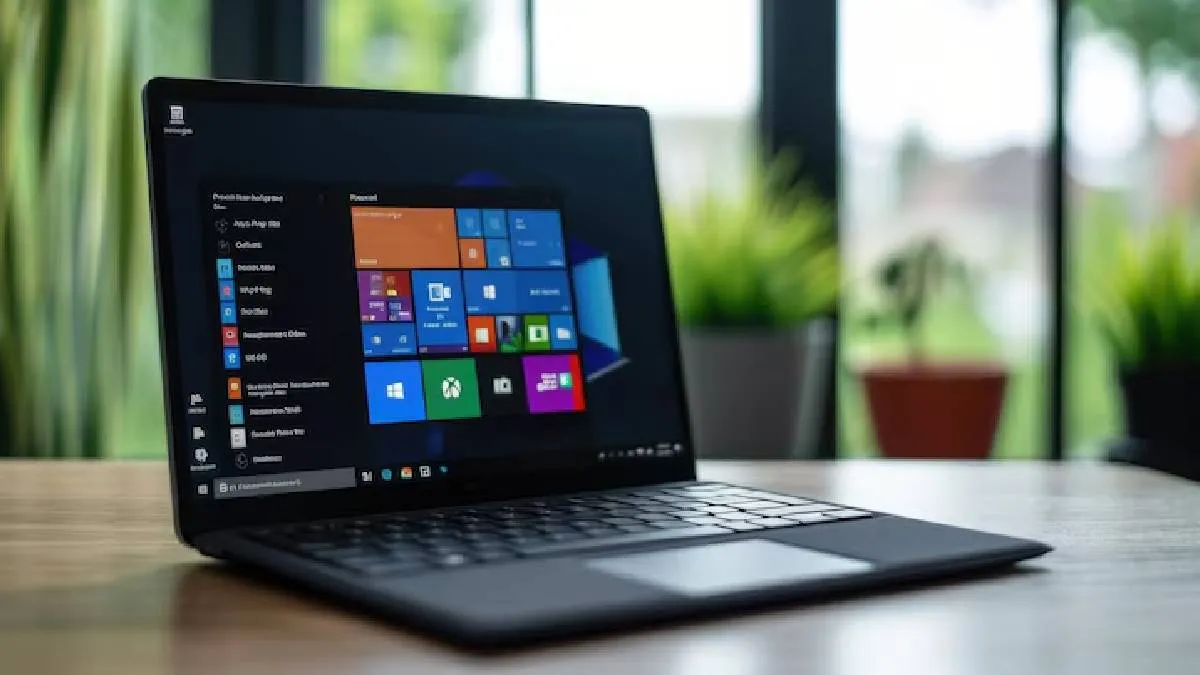
Alarm bells are ringing for millions of Windows 10 users worldwide. Microsoft will officially end support for Windows 10 starting October 14, 2025. This means that devices running Windows 10 after this date will no longer receive critical security patches, technical fixes, or new features.
Windows 10, which was launched in 2015, has now reached the end of its lifecycle. Microsoft has advised users to upgrade to Windows 11. Although the company is offering a one-year support extension, users should note that this option will incur a cost.
Will computers stop working?
The end of Windows 10 support does not mean computers will stop working. The operating system will still function, but the lack of security updates and new features could make it an easy target for hackers. This will particularly impact users who don't regularly update their systems.
Upgrading to Windows 11
Hardware challenges can hinder the upgrade to Windows 11. Not all Windows 10 systems are compatible with the newer operating system. Older machines may lack sufficient RAM, TPM 2.0, or CPU compatibility, making the upgrade impossible. In such cases, users can consider alternative operating systems like Linux or Chrome OS.
What experts say
Experts recommend that Windows 10 users plan to upgrade as soon as possible. Switching to Windows 11 will not only provide the benefit of security updates but also offer new features and improved performance. Furthermore, this change is critical for both businesses and home users. Companies, in particular, need to update their office systems to ensure sensitive data and networks remain secure.
Meanwhile, Consumer Reports has formally written to Microsoft CEO Satya Nadella, urging the company to reverse its decision. The advocacy group warns that ending free support for Windows 10 will leave millions of PCs vulnerable to cyber threats, a major concern given that nearly 46.2 per cent of global users still rely on the operating system.
ALSO READ: 5 Key areas where Zoho Arattai messenger surpasses WhatsApp
